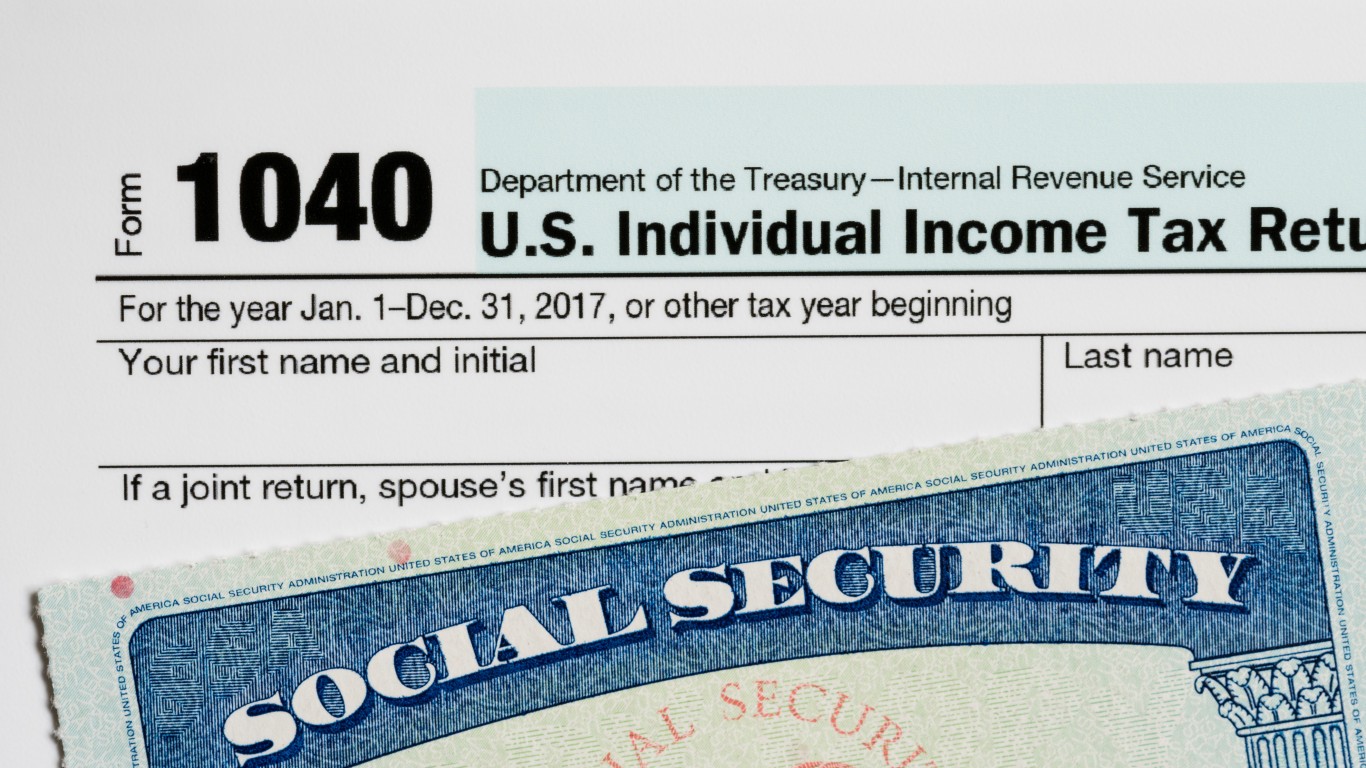
The Social Security retirement trust fund is projected to run out of money by late 2032, which could force benefit cuts, according to the program’s trustees.
The shortfall stems from a shrinking ratio of workers to retirees, straining the system’s funding.
One potential solution gaining bipartisan support is lifting the payroll tax cap, which is $184,500 this year. Currently, workers pay 6.2% in Social Security tax on their earnings up to that cap, with employers paying an equal 6.2%, for a combined 12.4% rate. Lifting the cap would subject all wages to the tax, potentially delaying the cuts.
Proposed Fix Has Limits
Lifting the cap is seen as a way to make higher earners contribute more without raising taxes on lower-income workers. However, the Tax Foundation estimates it would only close about two-thirds of the long-term funding gap. For the system to be fully solvent, Congress would need to pursue additional fixes, such as increasing the Social Security tax rate or raising the full retirement age.
The payroll tax cap is scheduled to increase in 2027 to $192,300. That means a worker earning at or above that amount will pay a maximum of $11,923 in Social Security taxes next year, according to AL.com.
The “Unfair” Cap and Its Impact
A single earner making $250,000 in 2027 will pay $11,922.60 in Social Security tax, as the 6.2% tax stops at $192,300 of pay. A married couple earning $125,000 each, for the same household income, will pay a combined $15,500, or $3,577.40 more.
“We got to adjust the cap,” Sen. Mark Warner (D-Va.) said at a Senate Budget Committee hearing on Nov. 18.
The inequity highlights a core problem: only a limited percentage of workers benefit from the payroll tax cap. Social Security data shows that about 6% of covered workers currently have earnings above the taxable maximum, and nearly 20% are projected to exceed it for at least one year in their career, AL.com reported.
This is complete BS. We fix Social Security by lifting the payroll tax cap and making rich people pay their fair share. I have a bill to get it done. https://t.co/q4vEU6PXQM
Cap Adjustment Mechanism
The Social Security tax cap increases annually to match the average wage index, similar to how cost-of-living adjustments are tied to the Consumer Price Index for Urban Wage Earners and Clerical Workers, AL.com reported. In 2026, the cap was $184,500, requiring a maximum employee tax payment of $11,439, the source noted.
For 2027, the cap rises to $192,300, meaning a worker earning that amount or more will pay $11,923 in Social Security taxes—a $484 increase from the previous year, according to AL.com.
Lawmakers Push for Higher Cap
Sen. Ron Wyden and other witnesses have called for eliminating the cap, though no such proposal has become law, Yahoo News reported. Sen. Mark Warner (D-Va.) similarly stated at a Nov. 18 hearing, “We got to adjust the cap,” highlighting bipartisan interest in reforming the system.
Substack writer Ray Hanania proposed raising the cap from $184,300 to $5 million, arguing it would increase funding for the Social Security Trust Fund. He said that most members of Congress are millionaires, questioning their reluctance to support a change that would cost them more in taxes but save the system.
Employers and High Earners Would Feel the Burden
Lifting the cap could have broad economic consequences. If high earners face significantly higher taxes, they might cut back on spending in other areas, potentially slowing the economy. Since employers match the employee's 6.2% contribution, removing the cap would also increase their payroll costs. This could lead to downsizing or cuts to other workplace benefits.
Another consideration is benefit accumulation. Individuals earning more than approximately $170,000 no longer accumulate additional future benefits on income above the cap, a fact noted by Traders Union.
Worth a look

Kirk Cousins Returns to US Bank Stadium to Face Falcons
Kirk Cousins takes the field at U.S. Bank Stadium on Sunday at 1 p.m. EST against the Atlanta...

Alabama’s Million Dollar Band Skips Rescheduled Macy’s Parade for Iron Bowl
The University of Alabama’s Million Dollar Band will not march in the Macy’s Thanksgiving Day Parade, choosing instead...

World Atlas Names 10 Overlooked Nevada Towns Pairing Main Streets With Nature
World Atlas published a guide on Thursday naming ten overlooked Nevada towns that pair historic main streets with...

Rod Wave Battery Trial Delayed to December 14 to Finish 33-Show Tour
A judge moved Rod Wave's misdemeanor battery trial from October 26 to December 14 after his lawyers said...