
On Nov. 19, 1863, Abraham Lincoln rose at a Pennsylvania cemetery and spoke for roughly two minutes.
The Battle of Gettysburg had ended four and a half months earlier with approximately 51,000 Union and Confederate casualties — killed, wounded, captured or missing — a toll that changed the course of the Civil War and shifted momentum toward the North. An estimated 15,000 people gathered for the dedication of the Soldiers’ National Cemetery, where Lincoln was invited to deliver brief remarks after the featured orator, Edward Everett, spoke for two hours.
The president was reportedly pale and appeared unwell; some historians and medical researchers have suggested he was experiencing the early stages of smallpox. At 11:15 a.m. the head of the procession reached the main stand, and Lincoln took his place between Secretary of State William Seward and Everett, according to the New York Times front-page account published the following day.
Lincoln’s address ran about 272 words. “Four score and seven years ago our Fathers brought forth upon this Continent a new nation, conceived in liberty and dedicated to the proposition that all men are created equal,” he began, tying the sacrifice at Gettysburg to the Declaration of Independence signed 87 years earlier.
He closed with a pledge that “this nation, under God, shall have a new birth of freedom — and that government of the people, by the people, for the people, shall not perish from the earth.”
Gottesman Libraries, Teachers College, Columbia University said that the Gettysburg Address would go down in history as one of the most perfect and impactful speeches of all time, following the 50,000 that died, were wounded, or went missing after the battle.
The speech’s brevity stunned contemporaries accustomed to Everett’s marathon oration. Yet its framing of the war as a test of whether a nation “conceived in liberty and dedicated to the proposition that all men are created equal” could endure gave the Union cause a moral architecture that outlasted the battlefield.
A century later, the Rev. Martin Luther King Jr. invoked Lincoln’s words at the Lincoln Memorial during the 1963 “I Have a Dream” speech, binding the address to the civil‑rights movement.
Scholarship continues to dissect the text. Garry Wills’s Pulitzer‑winning Lincoln at Gettysburg: The Words That Remade America argues the speech effected two revolutions: a literary shift toward terse, vernacular power and a constitutional reinterpretation that placed equality at the center of the founding compact. Professor Louis Forsdale at Teachers College highlighted those twin revolutions in a historical time capsule used for classroom teaching.
The New York Times, reporting from the stand on Nov. 20, 1863, noted the respect and perfect silence due to the solemnity of the occasion, every man in the immense gathering uncovering on his appearance.
The paper printed the full text alongside its description of the military escort — one squadron of cavalry, two batteries of artillery and a regiment of infantry — that formed the regular funeral escort of honor for the highest officer in the service.
Edward Everett of Massachusetts stood at the center of American public life for decades before Gettysburg. His career traced a rare arc: U.S. Representative, Senator, the 15th Governor of Massachusetts, Minister to Great Britain, President of Harvard, and Secretary of State. In 1860 he ran for Vice President on the Constitutional Union ticket, attempting to preserve the Union as secession loomed.
More than 160 years later, the address remains a touchstone during periods of political uncertainty and national division. Its closing promise — government of, by, and for the people — is still measured against the realities of each new generation.
Keep reading
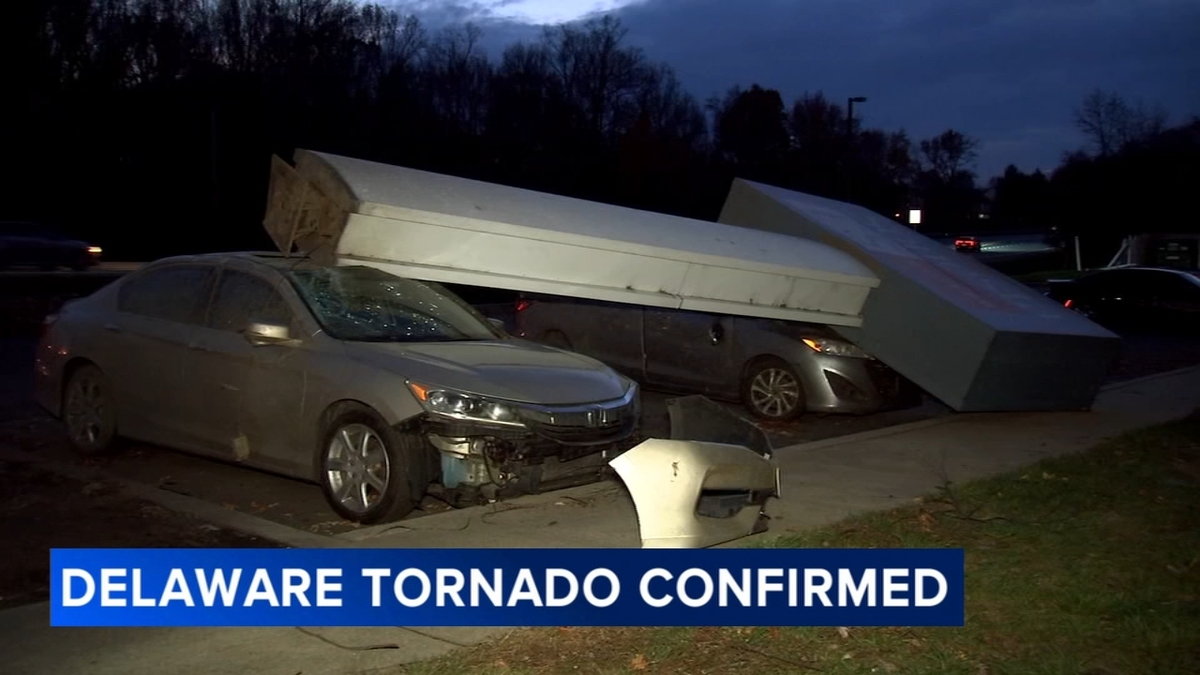
AccuWeather SkyGuard Warning Gave 24-Minute Lead Before Newark, Delaware EF1 Tornado
AccuWeather SkyGuard Warning gave 24-minute lead before Newark, Delaware EF1 tornado, unlike warnings that arrived after touchdown. Twenty-four...
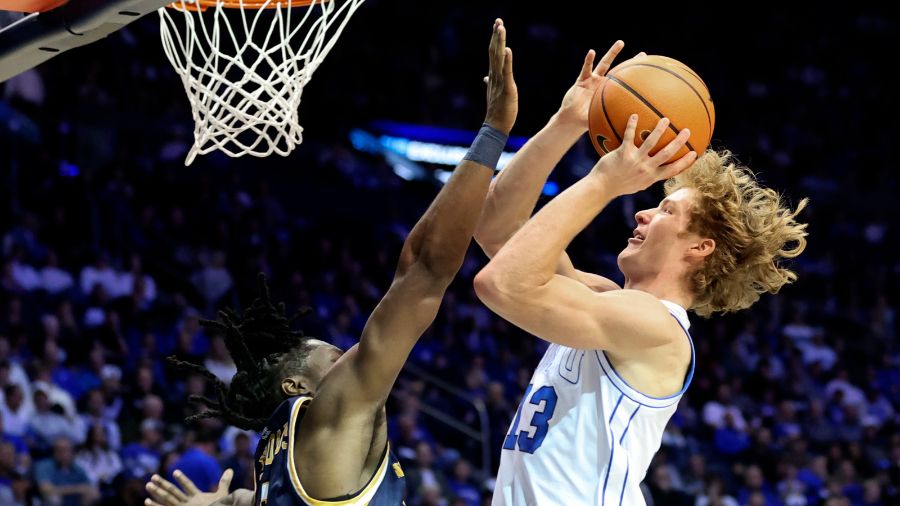
No. 21 BYU Beats Northern Colorado 98-54 Without Rob Wright
No. 21 BYU pushed its record to 5–0 with a 98–54 dismantling of Northern Colorado on Wednesday night...

ICE Says Wife of Minnesota Lawmaker-Elect Abdi Daisane Entered U.S. Illegally in 2023
Immigration and Customs Enforcement confirmed Wednesday that the wife of Minnesota’s newest state lawmaker entered the United States...

Mother Indicted After 10-Year-Old Son Fatally Shoots Teen With Stolen Gun
An Albuquerque grand jury indicted Elaina Gomez-Villeda, 40, on a second-degree murder charge Wednesday after police said her...