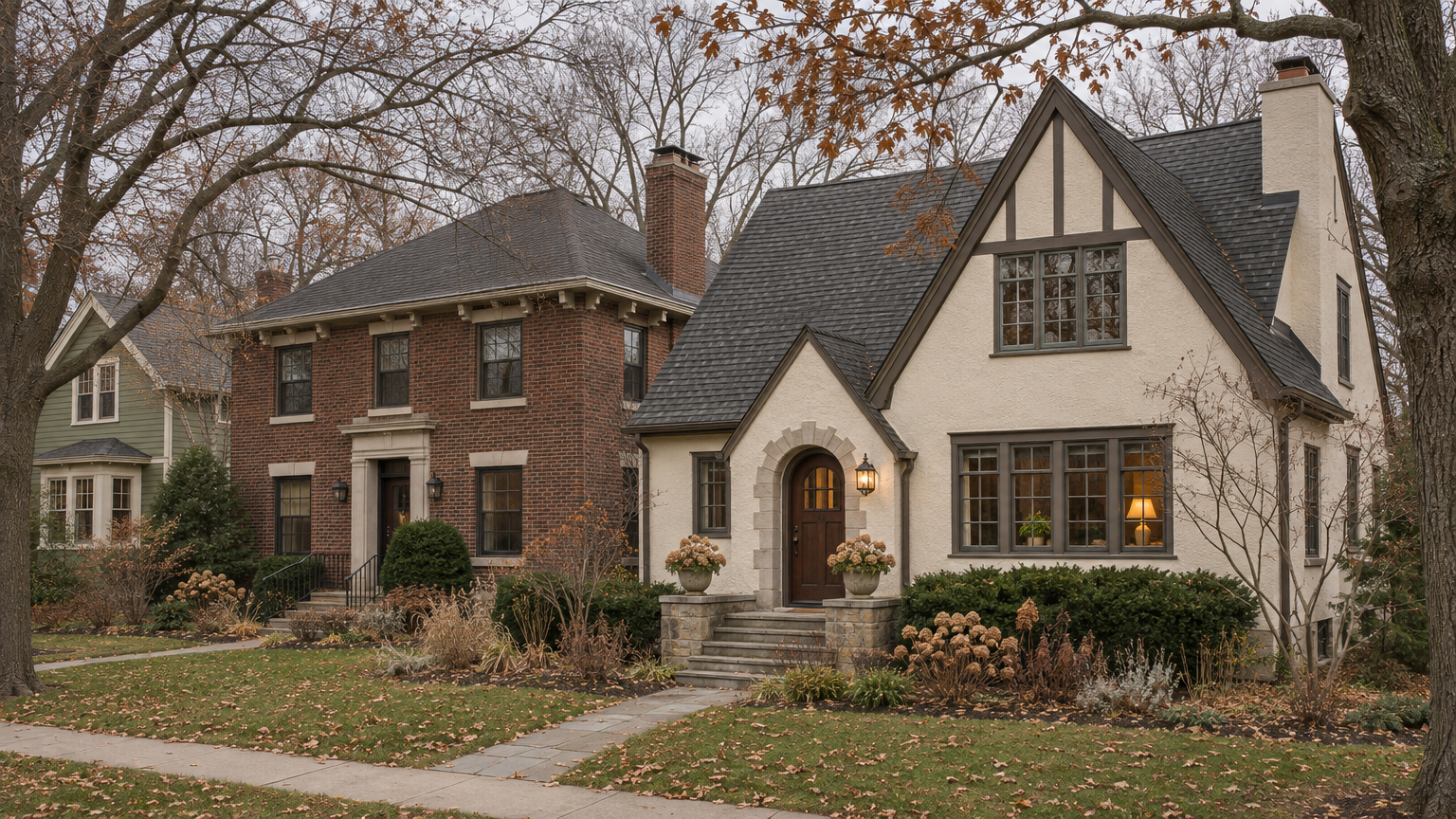
Linden Hills and Fulton offer two distinct living experiences in Southwest Minneapolis, differing primarily in their commercial layouts and housing variety. Linden Hills centers on a walkable village atmosphere near Lake Harriet, while Fulton provides a quieter, predominantly single-family residential setting close to 50th & France.
Neighborhoods Feature Traditional Styles Plus New Homes
Both Southwest Minneapolis neighborhoods feature traditional architecture, including Tudor, Colonial, Craftsman, and bungalow-style homes. Buyers will also find renovated properties, substantial additions, and newly constructed residences replacing older buildings. Lot size, architectural quality, renovations, and location create significant price variations between similarly priced properties.
Linden Hills includes established single-family homes alongside pockets of condominiums, townhomes, and attached housing. Fulton remains heavily oriented toward detached single-family residences. Buyers seeking alternatives to traditional homeownership find more variety in Linden Hills, while those prioritizing conventional residential blocks often prefer Fulton.
Linden Hills Offers Concentrated Commercial District
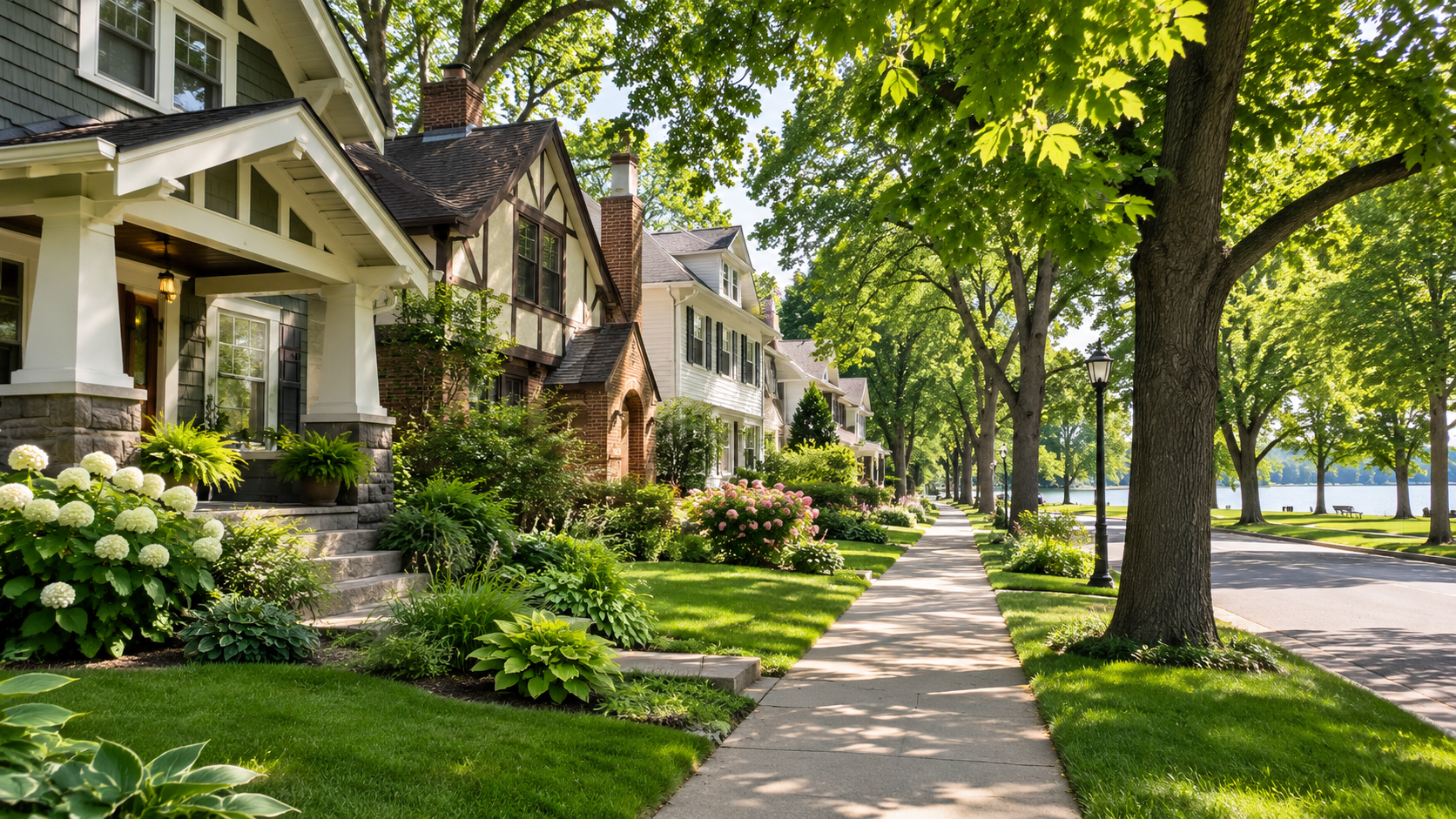
Linden Hills features a concentrated commercial district around 43rd Street and Upton Avenue, alongside shops and services near 44th and France. This layout creates a village-like atmosphere with restaurants, specialty shops, and independent cafés within walking or bicycling distance of Lake Harriet and Bde Maka Ska.
Fulton distributes its commercial destinations across several locations, giving much of the area a quieter residential feel. Residents enjoy convenient access to dining and shopping along West 50th Street, including the 50th & France district, as well as Minnehaha Creek and the southern end of Lake Harriet.
Sprague Ranks Neighborhoods Most Desirable
According to Josh Sprague, Linden Hills and Fulton rank among Southwest Minneapolis’ most desirable residential neighborhoods.
Market Value
Home prices in both areas vary based on property size, architectural condition, and location. Neither neighborhood is consistently more expensive across every property type.
According to listing data updated on November 28th, 2026, real estate information for the surrounding area comes in part from the Broker Reciprocity program of the Regional Multiple Listing Service of Minnesota, Inc., as noted by urbanminneapolishomes.com. Buyers and sellers must evaluate recent comparable sales, individual property characteristics, and current inventory rather than assuming one neighborhood offers better overall value.

Frankfort Forces Four Interceptions, Beats Independence 28-21 to Reach Class AA Title Game
The Class AA No. 1 Frankfort Falcons forced four interceptions and held off No. 4 Independence for a...

Boston Scientific Vishing Attack Exposes 117,789 People’s Personal and Medical Data
A voice phishing attack on Boston Scientific exposed the personal and medical information of 117,789 people. The medical...
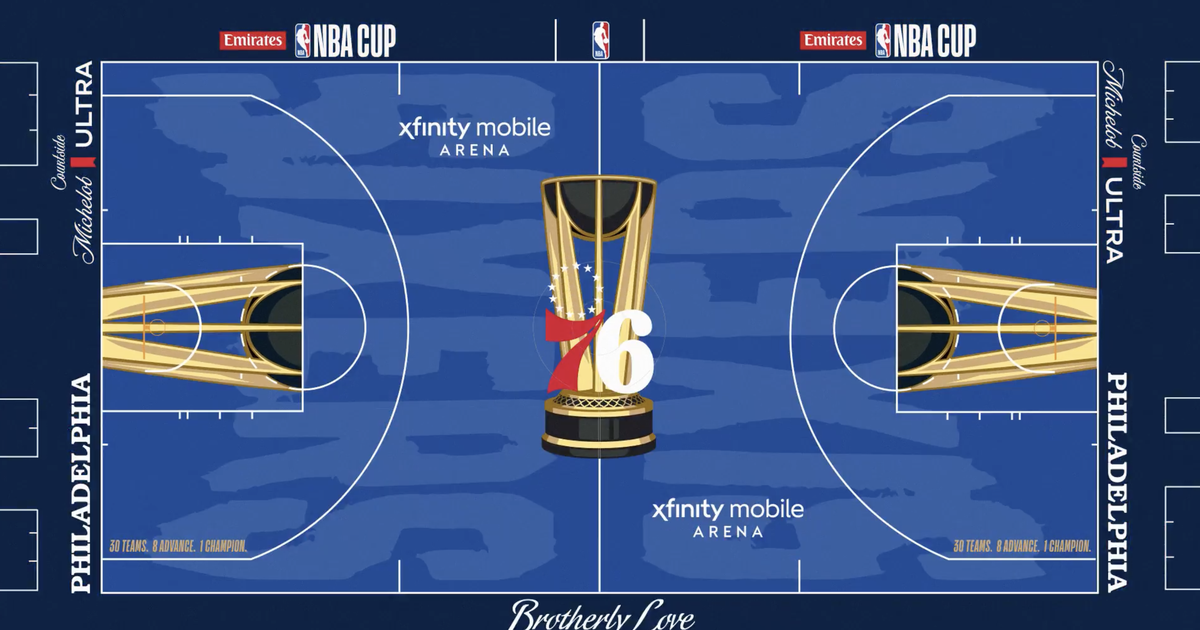
Sixers Face Atlanta Hawks in 2026 NBA Cup Quarterfinals
With a blowout win over the Indiana Pacers on Friday night, the Philadelphia 76ers secured Eastern Conference Group...

John Gibson Records 29th Career Shutout in Red Wings 2-0 Win Over Blue Jackets
John Gibson stopped 18 shots on Friday, to earn his 29th career NHL shutout as the Detroit Red...