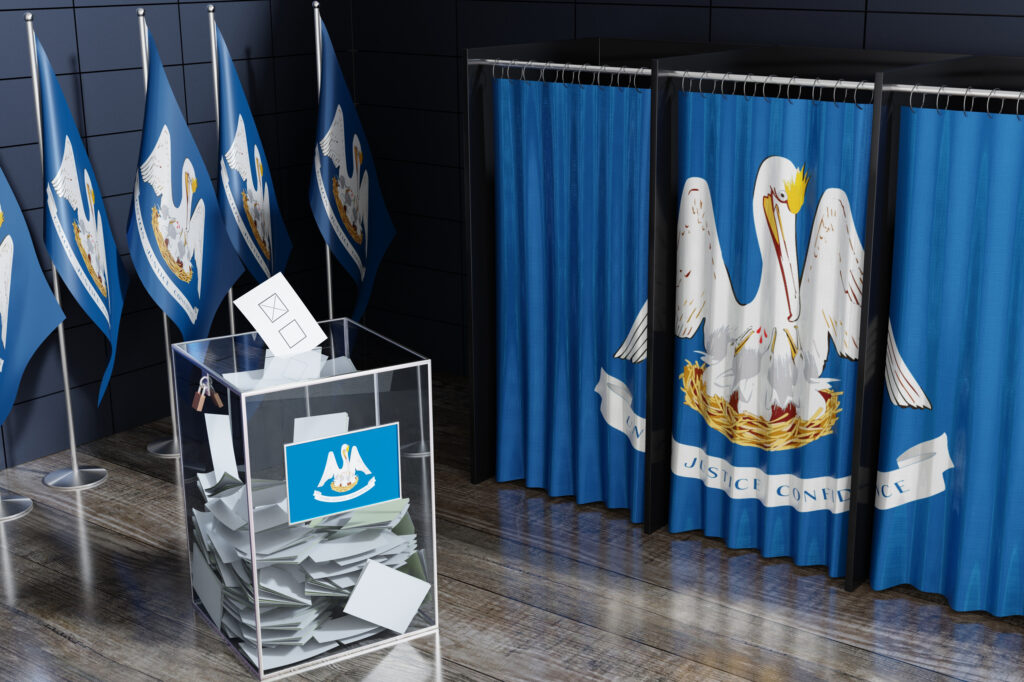
Louisiana voters will use closed partisan primaries for the first time in 2026 for the U.S. Senate, state Supreme Court, Public Service Commission and Board of Elementary and Secondary Education after the legislature adopted the change in 2024, R Street Institute reported.
After the U.S. Supreme Court struck down Louisiana’s congressional map in Louisiana v. Callais, lawmakers reinstated the jungle primary for 2026 U.S. House races, citing insufficient time to run elections under a new map and new primary rules. The Senate race and other state offices remain under the closed primary system adopted in 2024.
Republican push drives closed primary legislation
Gov. Jeff Landry made the change a priority amid a longstanding Republican push for greater control over party nominations, R Street Institute reported. Supporters contended that letting all voters weigh in on a party’s nominee was unfair and that Republicans suffered a disadvantage when their own candidates ran against each other.
The bill’s sponsor asserted that closed primaries let candidates be more authentic, knowing they were addressing an audience that shares their ideological leanings. To secure Senate passage, supporters accepted amendments exempting several offices and allowing unaffiliated voters to choose a partisan primary, against the sponsor’s wishes.
Voters oppose closed primaries citing confusion and costs
Surveys showed that 80 percent of Louisiana voters supported the jungle or open primary system, while only 36 percent supported the new system, R Street Institute reported. Lt. Gov. Billy Nungesser called on the legislature to return to the old system, citing extensive voter confusion and more than $17 million in additional taxpayer costs for closed party primaries. Reactions have mirrored the response to a similar change adopted in 2006.
Early results show shift toward party-loyal candidates
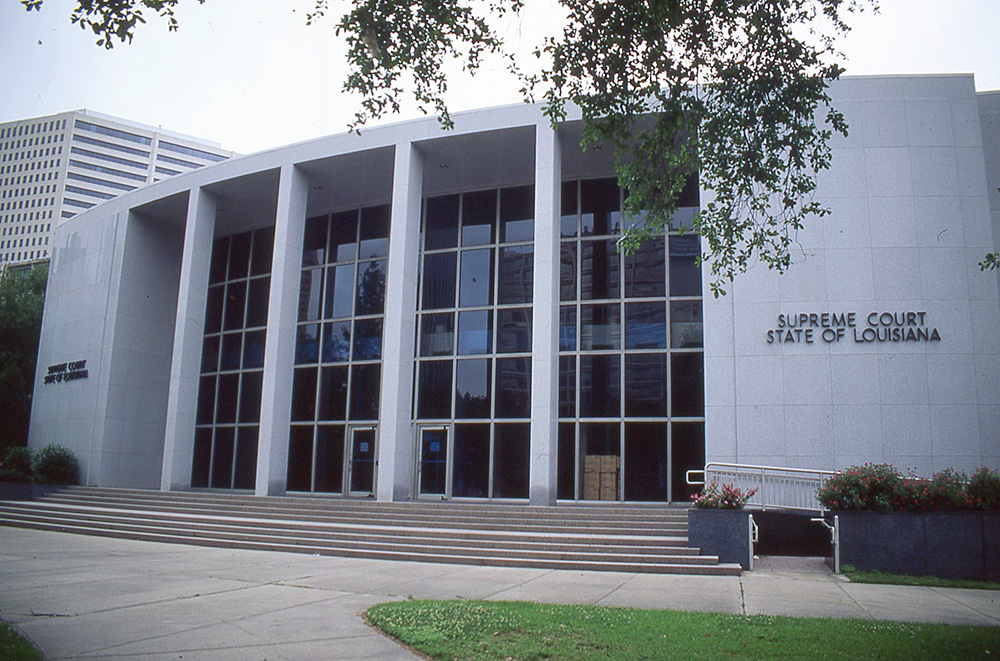
In the District 1 Supreme Court race, only two Republicans contested the open seat, making the partisan primary the only contested election. Unaffiliated voters could participate, but voters registered with other parties could not. Local reporting contended that Judge Blair Downing Edwards would likely have been the frontrunner under a jungle primary; instead, Judge Billy Burris won the primary and secured the seat without a contested general election. Burris and his supporters had maligned Edwards as too far left.
Sen. Bill Cassidy lost his reelection bid after placing third in the closed Republican primary. President Trump had criticized Cassidy for being insufficiently loyal. Trump-endorsed Julia Letlow won the nomination and the general election.
In 2020, Cassidy prevailed with just over 59 percent of the vote; his replacement appears to have won with just 51 percent. The degree to which the difference stems from the candidate change versus the political environment cannot be concluded today.
More on Supreme Court
- Providence, No. 19 BYU Play Maui Third-Place Game After Semifinal Losses
- Texas Families Urge Supreme Court to Hear Ten Commandments Law Challenge Despite AG Refusal
- State Sen. Bob Hall Proposes Bill to End Tolls on Paid Roads, Ban New Toll Projects (archyde.com)
- Solomon Islands names Australia primary security partner in treaty excluding China (newsarchyuk.com)
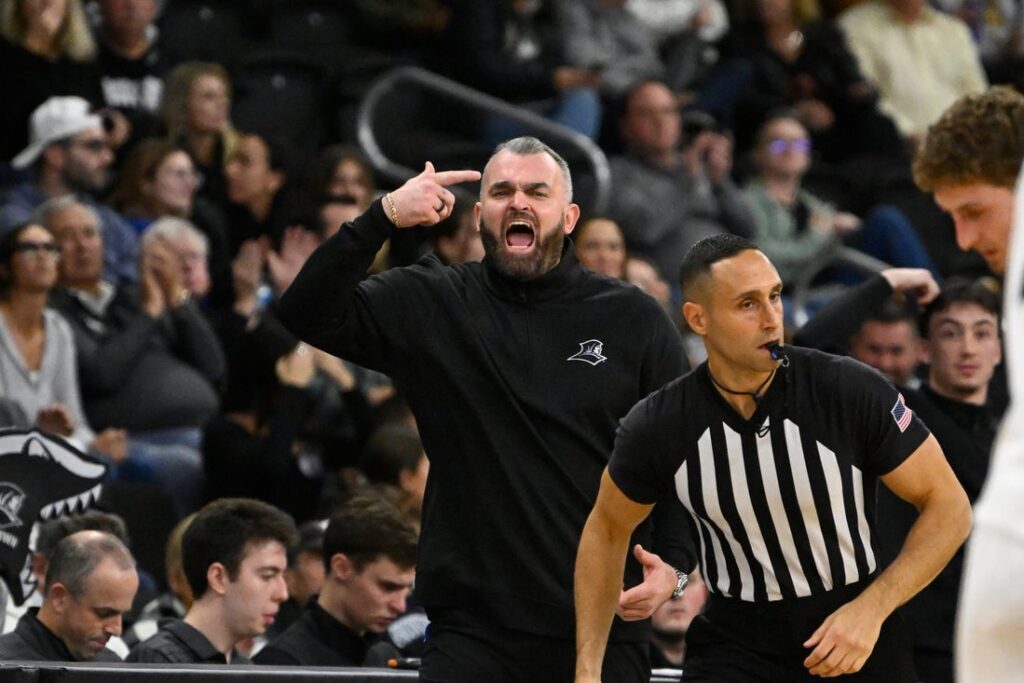
Providence, No. 19 BYU Play Maui Third-Place Game After Semifinal Losses
Providence plays No. 19 BYU on Wednesday in the Maui Invitational third-place game in Lahaina, Hawaii, after the...
Texas Families Urge Supreme Court to Hear Ten Commandments Law Challenge Despite AG Refusal
Texas families challenging the state's Ten Commandments classroom law urged the U.S. Supreme Court to hear their case...

West Hartford Police Arrest Bloomfield Man After Three Evasions; Seize Ghost Gun, 566.4 Grams Marijuana, Ammo
West Hartford police arrested a 20-year-old Bloomfield man Tuesday after he fled three attempted traffic stops, seizing a...

New York Times Bars Photoshop 2027 Over AI Metadata Tags
The Times bars Photoshop 28.0.0 and later on assignments, effective immediately. Content Credentials metadata may identify photographs as...