Madison Avenue is trading traditional retail for immersive luxury experiences
In a recent report by National Geographic, the evolving landscape of New York’s Upper East Side suggests that luxury shopping is undergoing a fundamental transformation. Rather than focusing solely on the acquisition of high-end goods, premier retailers on Madison Avenue are increasingly prioritizing sensory experiences, wellness, and social connection to attract a changing demographic of shoppers.
The shift represents a move toward “experiential luxury,” where the storefront serves as a sanctuary or a private club rather than a mere point of sale. This trend is visible in the recent openings of several flagship stores that integrate lifestyle services—such as sound baths, cocktail lounges, and bespoke tailoring—directly into the shopping environment. For the modern consumer, the value proposition has shifted from what they can own to how they spend their time.
This evolution is not merely about aesthetics; it is a strategic response to a demographic that seeks authenticity and respite from the urban bustle. Matthew Bauer, head of the Madison Avenue Business Improvement District, notes that the neighborhood is seeing an influx of younger people who are drawn to this more subdued, authentic atmosphere.
Wellness and private clubs define the new flagship model
The concept of the “retail sanctuary” is exemplified by the July 2026 opening of La DoubleJ’s US flagship store at 69th Street and Madison. According to National Geographic, the store features a “Light Temple” designed for wellness, where visitors can participate in members-only sound bath sessions. This integration of fashion and homeware with a calendar of wellness activities allows the brand to offer a space where customers can linger and “switch off” amidst the high energy of Manhattan.

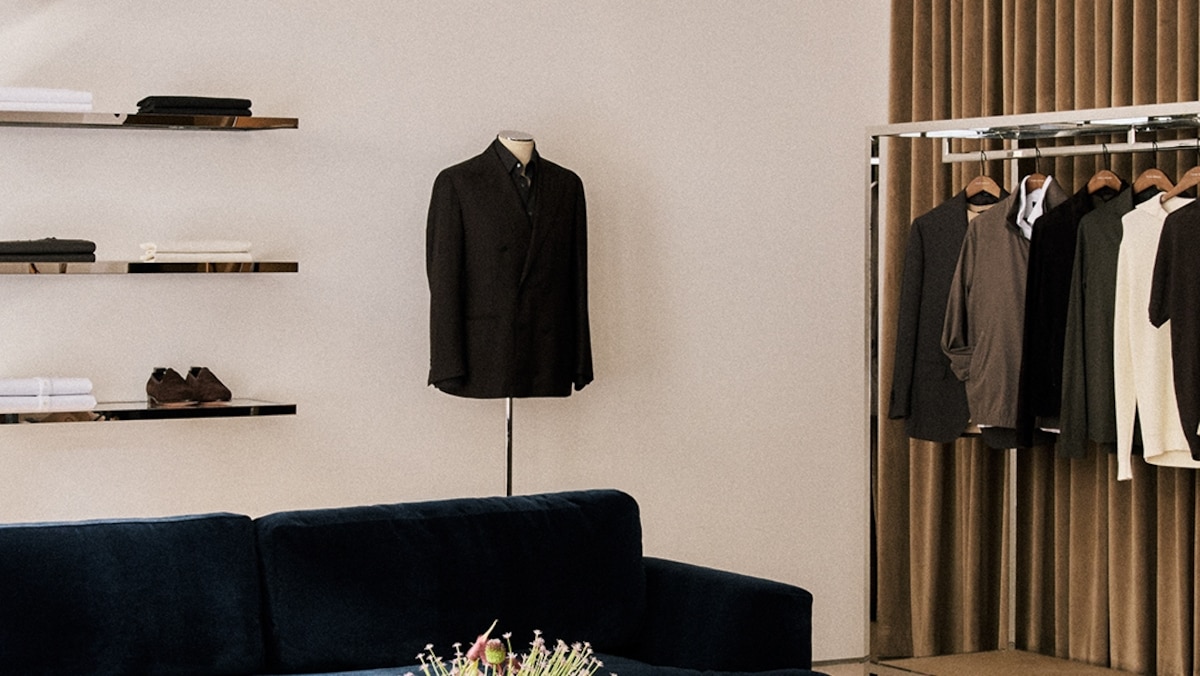
Further south, between East 65th and 66th Streets, the British menswear brand Thom Sweeney opened its first US flagship in June 2026. The 4,000-square-foot space is designed to mimic a London townhouse, complete with walnut finishes, blue velvet, and its own cocktail bar. It distinguishes itself by hosting a master cutter in residence, providing a level of bespoke service that moves the transaction from a quick purchase to a long-term relationship.
The trend toward intimacy continues with Pasquale Bruni, which launched its US flagship in March 2026. The retailer has leaned into a highly personalized model, offering a private showroom where clients can enjoy champagne and custom-baked goods while designing bespoke jewelry. These spaces suggest that for the ultra-wealthy, the luxury of privacy and curation is becoming as important as the products themselves.
Heritage meets high-stakes customization
While new players are introducing wellness and social lounges, established houses are using their archives to drive engagement through extreme personalization. The combined flagship of Kwiat and Fred Leighton, located near 63rd Street, illustrates how historical prestige is being leveraged to create one-of-a-kind experiences.

The brand, which traces its roots back to Sam Kwiat’s founding of the diamond jewelry business in 1907, offers a bridge between vintage glamour and modern bespoke design. CEO Greg Kwiat highlights the rarity of their collection, noting that certain pieces, such as a 1910 Cartier necklace, represent significant historical and financial milestones. The store also houses rare items like a 1930s diamond ring famously worn by Rihanna to the Met Gala.
For clients who do not wish to purchase a singular vintage piece, the brand offers the ability to design bespoke jewelry inspired by their archives. This allows customers to turn the “glamour of a bygone New York” into personal heirlooms, further cementing the idea that luxury shopping is now an act of creative participation.
The concentration of these revamped spaces between 57th and 86th Streets indicates a broader economic pivot. As Madison Avenue transitions from a high-traffic commercial corridor to a more residential-feeling destination for “authentic” experiences, the definition of a successful retail footprint is being rewritten to favor depth of engagement over breadth of foot traffic.
Worth a look

Obituary: Duane Dewey Lien, 82, Sioux Falls, South Dakota
Duane “Dewey” LeRoy Lien passes away in Sioux Falls at age 82 The Sioux Falls community and the...

Columbia River Anglers Catch Four Coho in Bonneville Section
Coho salmon activity remains low near Bonneville Twelve bank anglers kept four coho salmon and released one coho...

James Hagens Sidelined for Weeks as Bruins Recall Mikey Eyssimont
James Hagens sidelined by injury as Bruins turn to Mikey Eyssimont James Hagens will miss several weeks of...

WOU Cross Country Secures Historic Top Three GNAC Finishes
Western Oregon Men and Women Secure Historic Podium Finishes at GNAC Championships The Western Oregon University cross country...