
Magnolia Plantation & Gardens in Charleston, South Carolina, opens its gates at 9:00 AM daily, offering peak winter wildlife viewing from late October through December when deciduous hardwoods shed their foliage and alligators bask on mudbanks between 11:00 AM and 2:00 PM.
Winter strips the Lowcountry swamp down to its architecture. The bald cypresses and black tupelos drop their needles and leaves, pulling back a green curtain that hides the deeper canopy for eight months of the year. Magnolia Plantation & Gardens reported that this seasonal defoliation, running from late October through December, opens sightlines into the blackwater impoundments that summer visitors never see.
Alligators trade water for sun
American alligators enter brumation — a reptilian version of dormancy driven by metabolic slowdown — when water temperatures fall. Instead of lurking submerged, they haul out onto sunny mudbanks, fallen logs, and the edges of the boardwalk to absorb midday warmth. Magnolia Plantation & Gardens noted the window is narrow: 11:00 AM to 2:00 PM, when solar radiation peaks.
Birders get the morning shift
Charleston sits squarely on the Atlantic Flyway. Fall and winter funnel thousands of overwintering waterfowl, warblers, and raptors into the protected impoundments. For this crowd, the magic hour is early. Gates open at 9:00 AM; birds feed actively then, and the water surface stays glass-calm, making silhouettes easy to pick off.

Midday belongs to the cold-blooded. The same solar angle that pulls alligators onto the banks pushes bird activity into the shade. Photographers planning a full day should front-load feathers and back-load scales.
The Wildlife Center holds the unreleasable
Not every animal at Magnolia is wild. The Wildlife Center houses rehabilitated native species that cannot return to the wild: red foxes, raccoons, barred owls, screech owls, red-tailed hawks, vultures, eastern box turtles, and rat snakes. These residents serve as ambassadors for species visitors might glimpse only fleetingly on the trails.
Trail conditions demand honest footwear
The property mixes packed dirt, crushed stone, and elevated wooden boardwalks. The Audubon Swamp Garden boardwalks run continuous handrails, but side trails narrow and exposed cypress roots catch the unwary. Magnolia Plantation & Gardens advises sturdy walking shoes — not sandals — for anything beyond the main loops.
What visitors ask most
Can you see alligators at Magnolia in the winter?
Yes.
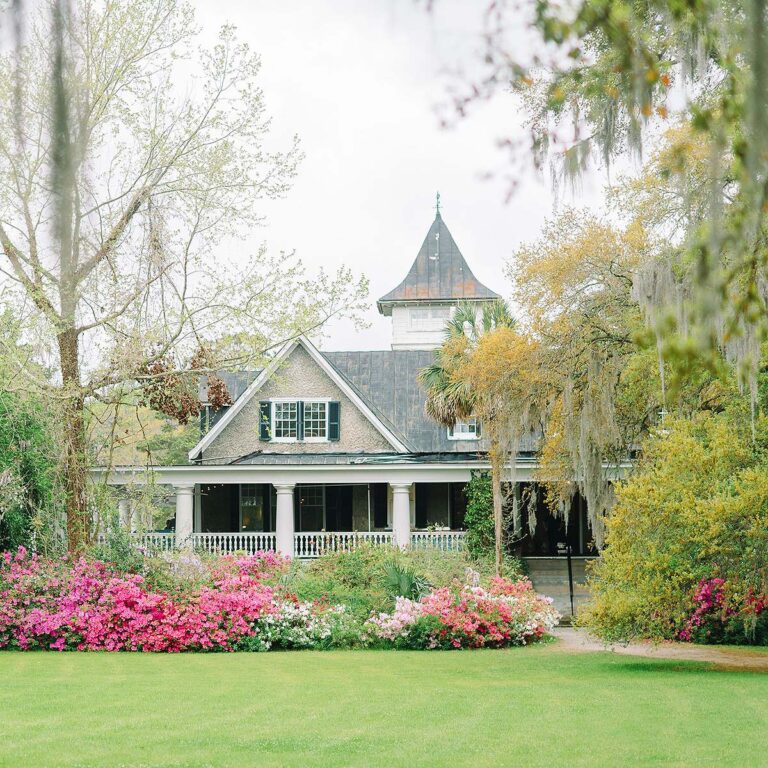
How accessible are the wildlife trails at Magnolia?
The property features a mix of packed dirt paths, crushed stone trails, and elevated wooden boardwalks.
Related reading

Things to Do in Huntsville This Weekend: Music, Theater, and Holiday Events
Downtown Huntsville reclaims its winter rhythm Friday as Skating in the Park opens for a 15th season behind...

Duffy Blames L3Harris for Slow Router Isolation in Longest Ground Stop Since 9/11
Transportation Secretary Sean Duffy blamed contractor L3Harris on Wednesday for failing to isolate a malfunctioning router quickly enough,...

Virginia Women’s Basketball Hosts James Madison in Rivalry Renewal Thursday at JPJ Arena
Virginia women's basketball (5-0) hosts James Madison (3-2) Thursday at 6 p.m. in a rivalry renewal at John...

Newsom Proposes Sweeping AI Rules as ‘Template’ for Washington
Gavin Newsom dropped a sweeping AI regulatory blueprint in Washington on Wednesday, framing California as the national template...