
Mahmoud Khalil Returns to Columbia University After Detention
Pro-Palestinian activist Mahmoud Khalil returned to Columbia University on Tuesday, October 28, 2026, marking his first visit to the campus since his arrest by immigration authorities on March 8, 2025. Addressing an audience of about 100 people, the 31-year-old graduate discussed his new memoir, No Land to Stand On: Notes from Detention, and argued that student activism has shifted public perception and encouraged a generation of leaders to question their views on Israel.
The American public is finally changing, is finally looking at the Palestinian as an equal human,
Khalil told the AFP news agency during the visit.
Khalil rose to prominence in 2024 when he helped lead demonstrations at Columbia, which served as the epicenter of nationwide campus protests against Israel’s war in Gaza. At the height of a federal crackdown on foreign student activists under President Donald Trump, Immigration and Customs Enforcement (ICE) agents arrested Khalil—a permanent US resident born in a Palestinian refugee camp in Syria—and held him for three months without criminal charge. The detention forced him to miss the birth of his first child.
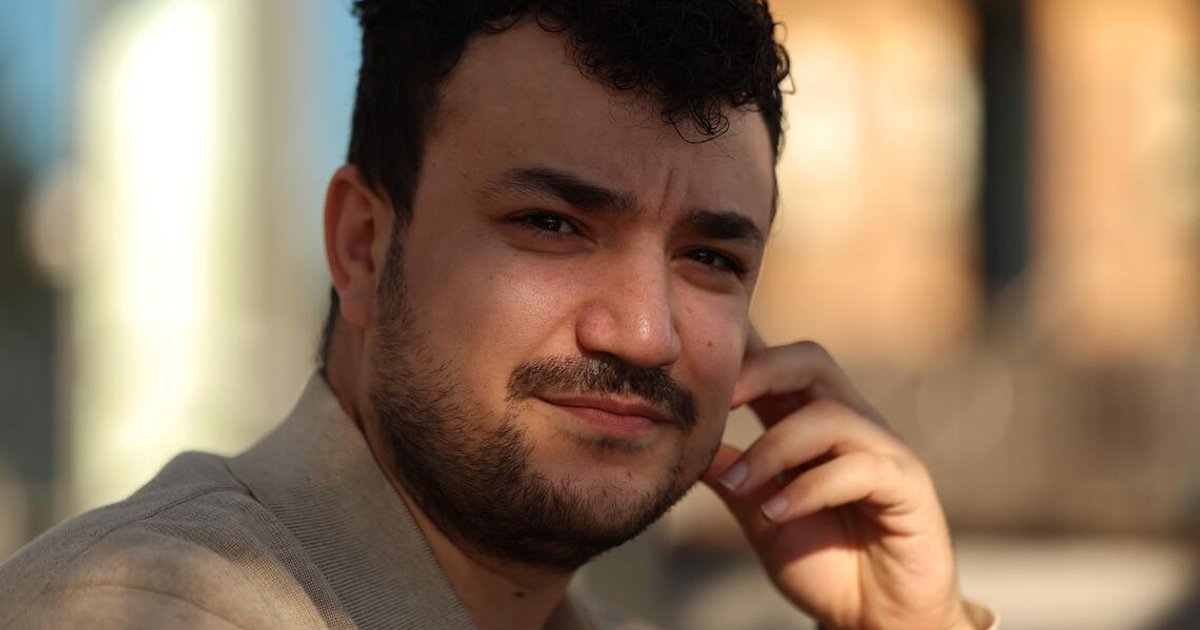
While describing his campus return as a victory, Khalil accused university leadership of attempting to erase Palestinian voices. Some Jewish groups on social media opposed his appearance, prompting a response from a Columbia spokesperson, who stated that the institution remains committed to rigorous debate and respectful dialogue. An invitation to speak does not signify university endorsement of a speaker’s views,
the statement noted, as carried by US media.
The Personal Toll of Federal Immigration Crackdowns
During his detention in a Louisiana jail, Khalil experienced conditions he likened to torture, citing constant fluorescent lighting, cold temperatures, and poor food. I never imagined that such cruelty is happening on US soil,
he told AFP, describing his shock upon entering detention facilities after arriving in a country that champions liberty and the rule of law. Although he was released from custody on June 20, 2025, the Trump administration continues to pursue his deportation.
The administration defended its actions by pointing to efforts to combat anti-Semitism and enforce immigration laws. President Trump celebrated Khalil’s initial arrest in a social media post, saying it was the first of many to come. Khalil argued that this strategy ultimately backfired. The fact that the president of the United States came after me, a random student, means that I was doing something right,
he said.
Despite the ongoing legal battles and the emotional strain of raising his 18-month-old son under the threat of deportation, Khalil emphasized that his struggle extends beyond his personal immigration status. A big part of my fight is like fighting for normalcy,
he explained, expressing a desire to return to life as a father who can visit the park with his family undisturbed.
Shifting Political Currents and Progressive Gains
Looking beyond his own legal fight, Khalil credited student-led Palestinian advocacy with driving broader shifts in American politics. He pointed to recent electoral successes among progressive candidates who challenge traditional bipartisan support for Israel. Among these figures, he cited Dr. Abdul El-Sayed, running for the US Senate in Michigan, and Zohran Mamdani, who assumed office as New York City’s mayor on January 1, 2026.
As the United States approaches midterm elections, polls indicate growth in support for Palestinians, a trend Khalil views as validation of the campus movement’s endurance. My fight is not only about whether I get to stay in this country,
he said. It is about whether, you know, people in this country can speak their minds.
Keep reading
- Ohio State to Host Penn State Wrestling at Schottenstein Center
- Minot High Majettes Dominate Bismarck Demons in Girls Swim and Dive Meet
- Günter Dinkel returns as walking football vice-world champion (archyde.com)
- United Airlines flight returns to Las Vegas after passenger texts about hijacking (newsarchyuk.com)

Ohio State to Host Penn State Wrestling at Schottenstein Center
Big Ten Wrestling Showdown Set for Jerome Schottenstein Center The Jerome Schottenstein Center will play host to one...

Minot High Majettes Dominate Bismarck Demons in Girls Swim and Dive Meet
The Minot High Majettes girls swim and dive team secured an 111-73 victory over the Bismarck Demons on...
57% of NYC Specialized High School Offers Go to Asian Students, Renewing Admissions Debate
The Admission Divide: New York City Confronts Its Specialized High School Numbers Fresh figures from the Department of...
Nets Rejected Jaylen Brown Trade Due to Kyrie Irving Concerns
The Brooklyn Nets had the assets to acquire Jaylen Brown from the Boston Celtics before he wound up...