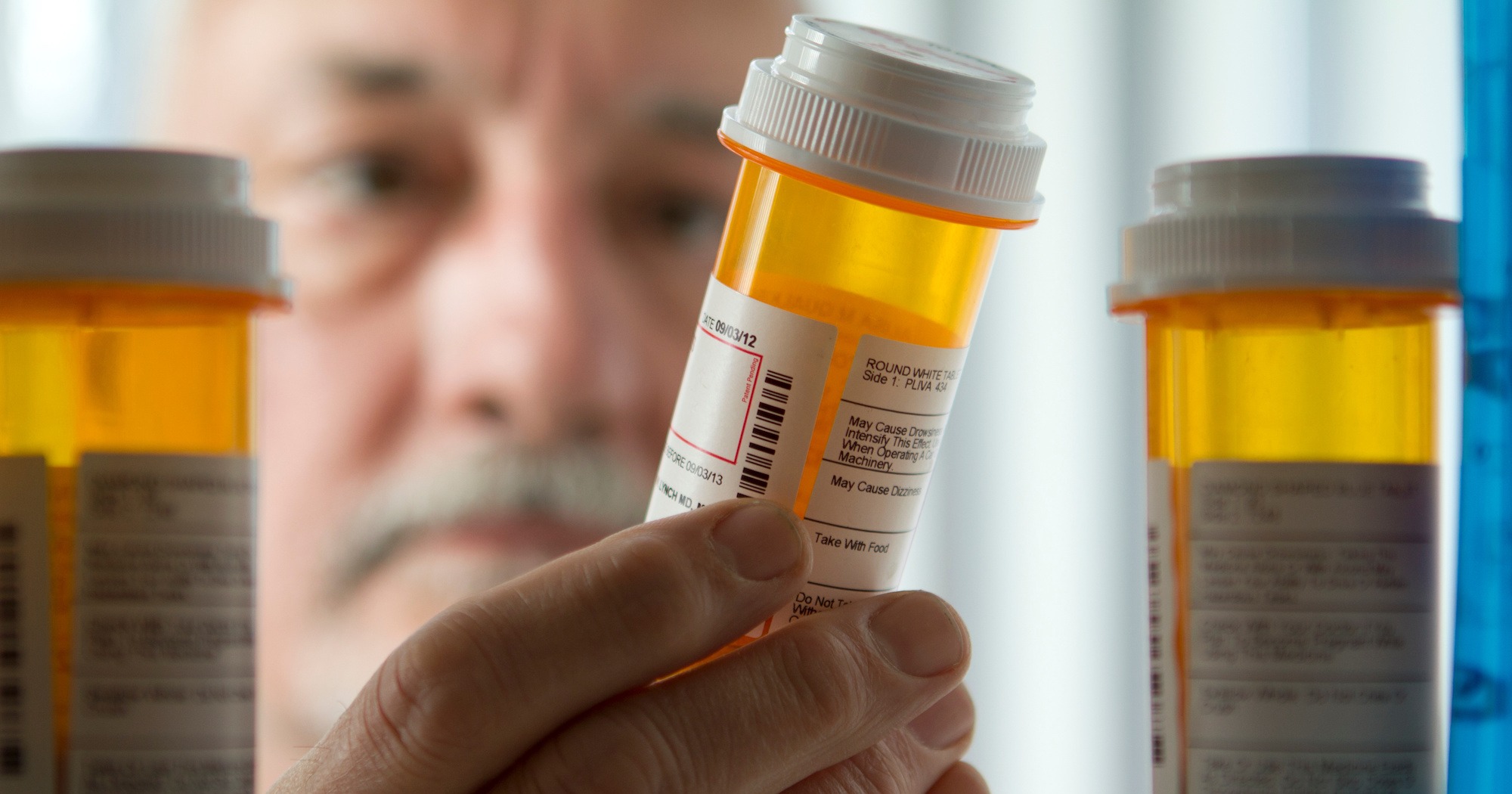
Maine residents have until Monday to tell state officials exactly how prescription drug prices are reshaping their household budgets, a window that could steer the next round of legislative fixes.
The Maine Office of Affordable Health Care is collecting public comment through Nov. 30 for the Prescription Drug Affordability Board, which must deliver fresh cost-containment recommendations to lawmakers by October 2027. The board, created in 2019 to curb spending in public health plans, saw its mandate expanded this year to study broader relief for residents, including out-of-pocket caps and reference pricing tied to Medicare-negotiated rates.
“They are forced to make difficult decisions about putting fuel in their tank to heat their home, pay their rent, put food on the table or, buy the drug they need, with many putting off filling the prescription,” said Ann Woloson of Consumers for Affordable Health Care.
“This likely means illness will go untreated and become worse which puts more financial strain on family budgets and can create unnecessary medical debt.”
“The Board can use what they hear from Mainers in developing recommendations for policy solutions to address costs and other barriers they face in accessing the prescription medicine they need,”
A 2026 survey from Woloson’s organization found that more than four in ten Maine households carried medical debt in the prior two years. Among those households, 51 percent said prescription costs drove that debt. Roughly one in three Mainers admitted to rationing — skipping doses, cutting pills in half, or leaving prescriptions unfilled — because of price, a practice clinicians warn invites preventable complications and higher long-term costs.
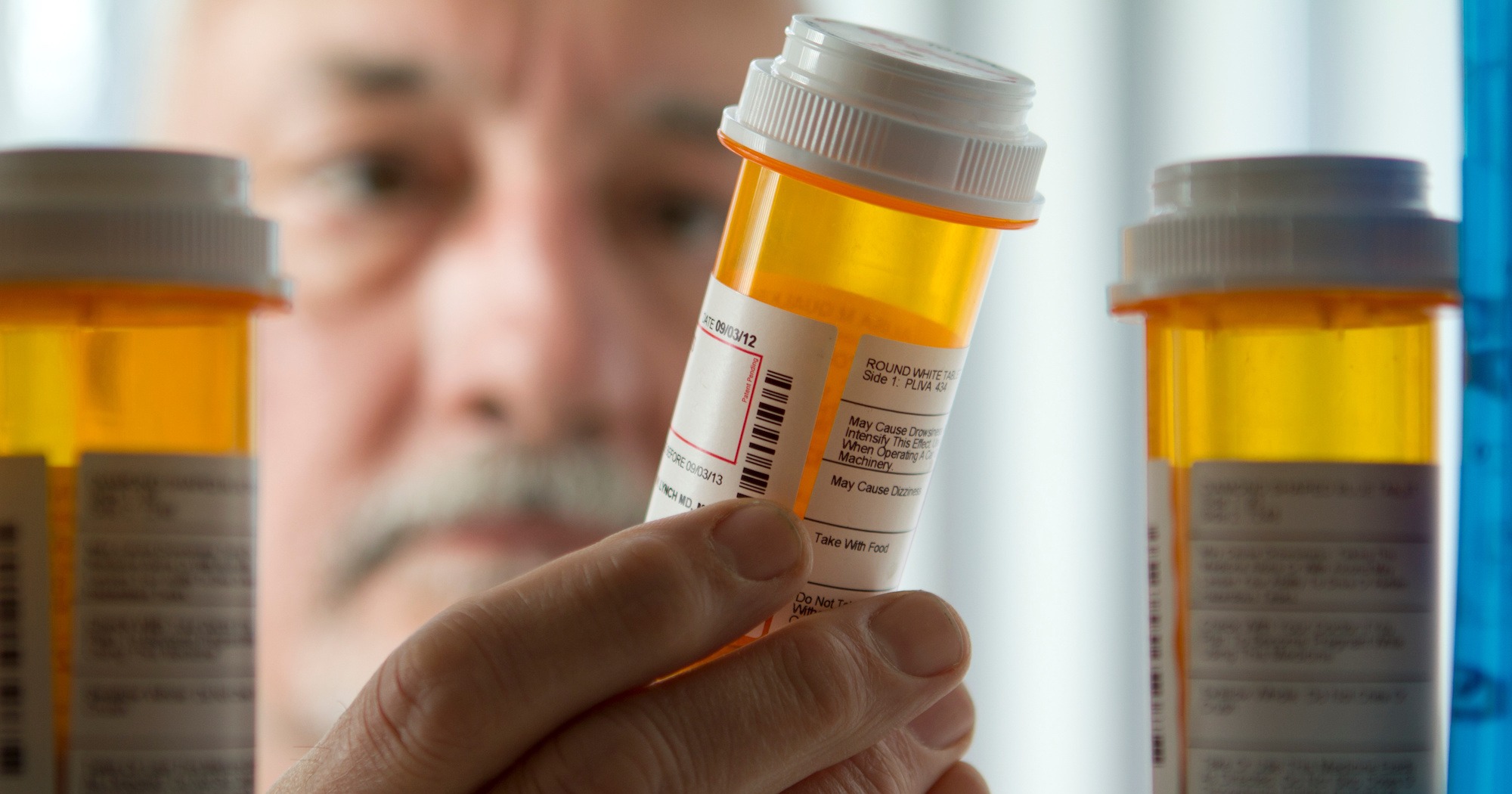
The board pairs these lived experiences with state pricing data to identify high-cost drugs burdening both consumers and public programs. The agency is specifically seeking accounts of copayment spikes and out-of-pocket shocks that push essential treatments out of reach.
Woloson said she hopes lawmakers will adopt Medicare-negotiated pricing benchmarks and upper payment limits for expensive medications in public programs, approaches other states are pursuing. Comments can be emailed to [email protected] by 5 p.m. Monday.
Related reading

Federal Inspection Finds 11 Deficiencies at Diamondback Correctional Facility
A federal inspection of the Diamondback Correctional Facility in Watonga uncovered 11 deficiencies across seven standards in September,...

Deputy Fire Marshal Roberts: Three Minutes Before Smoke Overtakes; Albany Blaze
"During a house fire, we only have about three minutes before smoke can overtake us," said Deputy Fire...

Bishop Koenig Announces Dec. 12-13 Retirement Fund for Religious Collection
Parishes across the Diocese of Wilmington will take up the annual Retirement Fund for Religious collection on the...

Wheels for Warmth Raises $126,000, Expected to Help 166 Vermont Households
Vermont drivers and donors pushed Wheels for Warmth past $126,000 this fall, a total expected to help 166...