
The Maine Turnpike Authority is converting mowed highway verges into native plant corridors to help pollinators like monarch butterflies, in a pilot project that is expanding to 160 acres along Interstate 95. The project is a test of whether roadside habitat can help imperiled species without exposing them to traffic dangers.
Maine highway officials are turning strips of grass into gardens for bees and butterflies, hoping to create havens for wildlife while testing if the locations are safe. In the spring, crews tilled a third of an acre of grass turf beside the Maine Turnpike Authority’s South Portland maintenance facility and planted a mix of native wildflowers favored by pollinators. This fall, students from the University of New England tracked which plants can survive highway conditions. The concept is ambitious. The MTA controls thousands of acres of sunlit land permanently off-limits to developers. In a state that is nearly 90% forested, such open grassy strips are rare. Yet the idea of building roadside wildlife habitat is hotly debated in conservation circles. A 2024 review in the journal BioScience said that traffic kills billions of pollinating insects a year in North America through vehicle strikes and turbulence. Federal officials proposed listing it as threatened in December 2024. However, a September legal settlement deferred a final decision to June 2030. That leaves protection in regulatory limbo and places greater weight on voluntary state and infrastructure efforts.
Beyond monarchs, scientists emphasize the “umbrella effect” for other wildlife. Sowing native goldenrods, asters and stem-rich perennials helps declining native bees and specialist beetles. Insects in these verges feed dragonflies and songbirds, extending benefits up the food chain. Small amounts can boost muscle growth, but higher concentrations decrease overall caterpillar survival. A University of Georgia study revealed traffic noise raises caterpillar heart rates and stress levels. Students logged and measured plant establishment across the mowed and unmown sections.
In the university laboratory, students tested methods to break seed dormancy in native milkweed. Keeping seeds in refrigeration for nine to 14 weeks jumped germination rates from 28% to 93%. Annabella Lafond, a 21-year-old senior from New Hampshire, recorded species density across four test quadrants.
To protect pollinators, the turnpike authority is adjusting its maintenance rules. Plantings will occur just beyond those, outside of the salt, heavy metal and microplastic splash zone. Frost clung to the skeletal silhouettes of wild asters. Roadside habitats are far from a panacea for pollinator declines, researchers said.
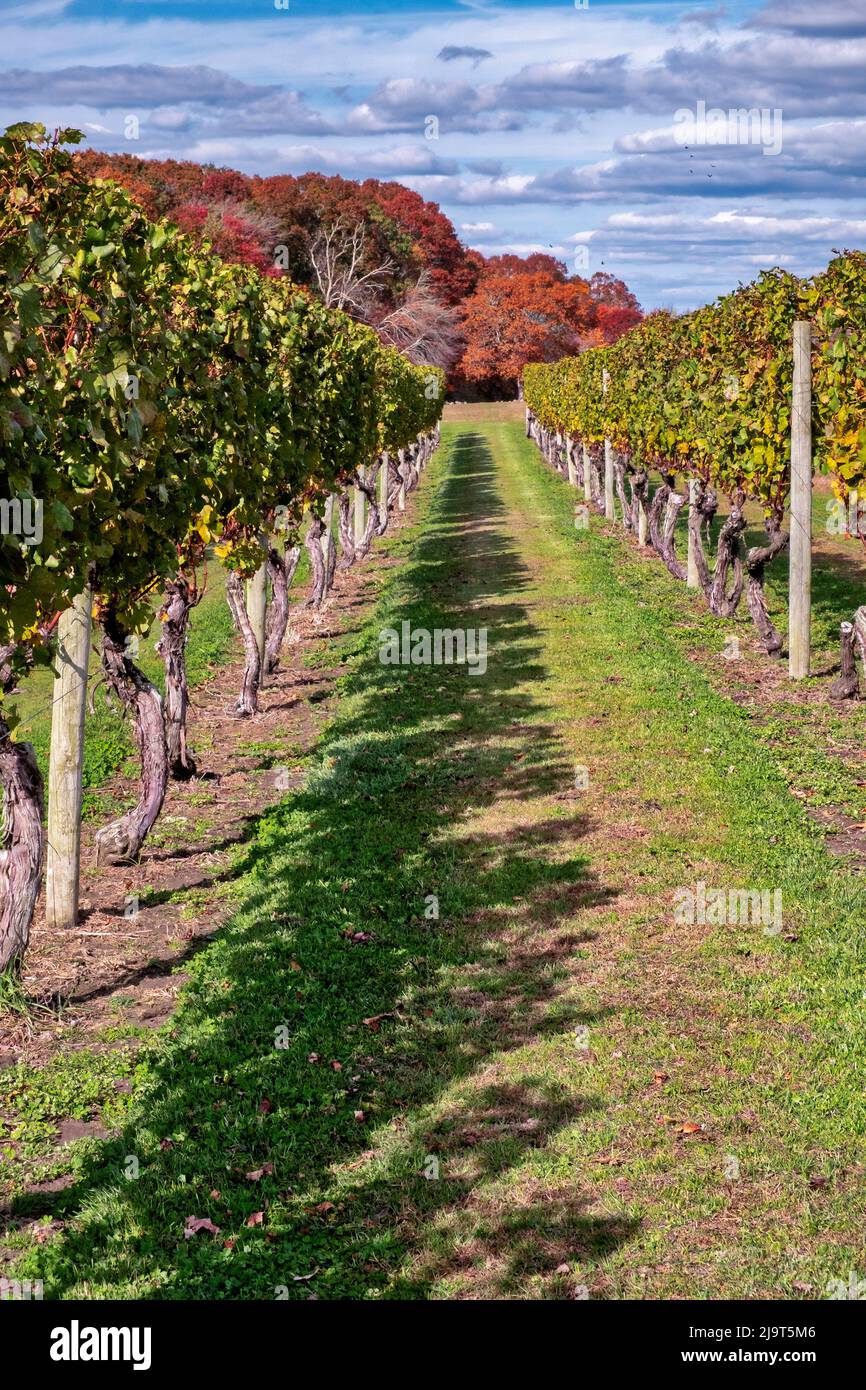
Sakonnet Vineyard Hosts Holiday Event Dec. 5 With Santa, Toy Drive
Sakonnet Vineyard in Little Compton, Rhode Island, will host its third annual holiday celebration on Dec. 5 from...
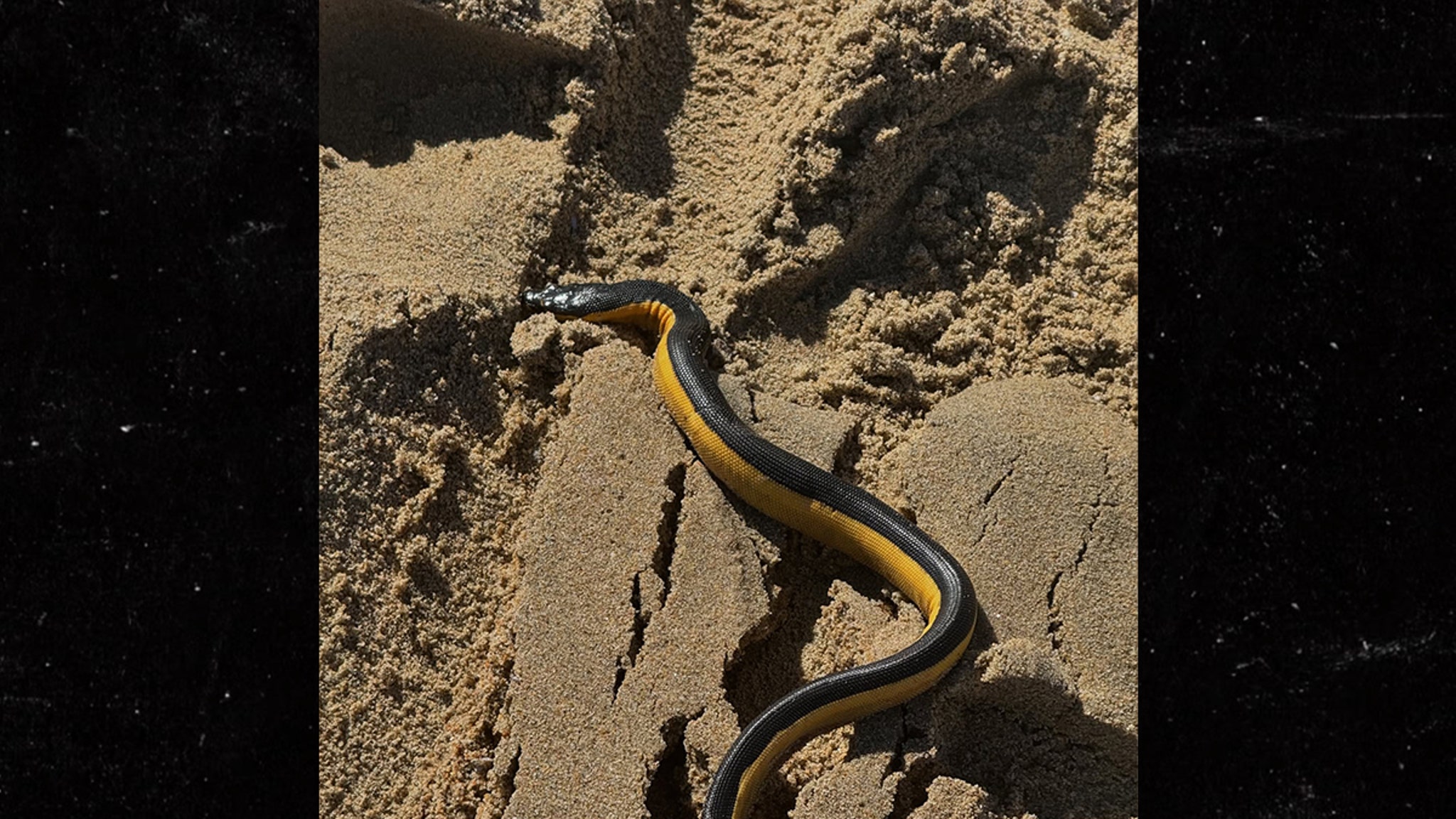
Rare Venomous Sea Snake Washes Ashore on California Beach During El Niño
A venomous yellow-bellied sea snake washed ashore at Bolsa Chica State Beach in Orange County on Sunday. The...

Courthouse Restroom Closed a Month for Leak Repair; Ag Building Concrete Settlement Found
A women's restroom in the Codington County Courthouse has been closed for a month while crews repair a...

Colorado Tops Georgia 61-52 in Cancun Challenge Opener
Georgia fell to Colorado 61-52 Thursday in the opening game of the Cancun Challenge at the Hard Rock...