
Mass Save has not published a 2027 window rebate, leaving homeowners uncertain whether the $75-per-window offer will continue past this year.
The Massachusetts energy-efficiency program’s rebate for 2026 purchases covers only qualifying replacements of existing single-pane windows with ENERGY STAR Most Efficient units for the Northern Region, Rogers Insulation reported. A Home Energy Assessment must verify the existing windows before installation, and any required weatherization work must be completed.
If the program’s window rebate page still shows 2026 terms, Mass Save advises calling 866-527-7283 to confirm whether a 2027 offer is available.

Replacing a single-pane window with a well-installed insulated unit addresses heat loss through the glass and air leaks around the frame at once, Rogers Insulation reported. Weatherstripping stops air moving through a gap but cannot make a single pane insulate like a double-pane unit.
Start with single-pane windows that lack effective storm windows, particularly in rooms used daily. A sound single-pane window with a well-fitting storm already reduces heat loss, so the improvement from replacement may be smaller.
Low-emissivity coatings limit heat transfer, but different coatings admit different amounts of solar heat. The U.S. Department of Energy’s guide to energy-efficient window selection highlights two ratings: U-factor measures how readily heat passes through the window — lower is better for limiting winter heat loss — and the solar heat gain coefficient (SHGC) measures how much solar heat enters; lower values admit less.
In Massachusetts, start with a low U-factor and consider each window’s exposure. When comparing ProVia replacement window options, ask for both whole-window ratings for the exact glass configuration on the quote.
If the glass and frame are sound, locate the problem before replacing the whole unit. Air at the edge of the movable sash suggests worn weatherstripping, poor alignment, or a lock that no longer pulls the sash snugly closed. Air around the interior trim may indicate a gap between the window frame and the wall that sealing can solve.
Fog trapped between panes means the insulated glass unit may be replaceable while keeping the sound sash and frame. Soft wood, recurring water entry, or a distorted frame require finding where water is getting in and assessing the opening before choosing repair or replacement.
Air sealing addresses a draft but will not fix a failed glass seal or the source of a water leak. Keep the window’s designed drainage openings clear when sealing gaps.
Related reading

Trump Pressed Nvidia Board to Rehire Huang While Holding up to $58 Million in Stock
President Trump held between $13 million and $58 million in Nvidia stock at the end of 2025, according...
Alabama Drops to No. 6 in CFP Rankings as Texas, Notre Dame, Tennessee Jump Ahead
Alabama dropped to No. 6 in the College Football Playoff rankings released Nov. 24, falling three spots after...
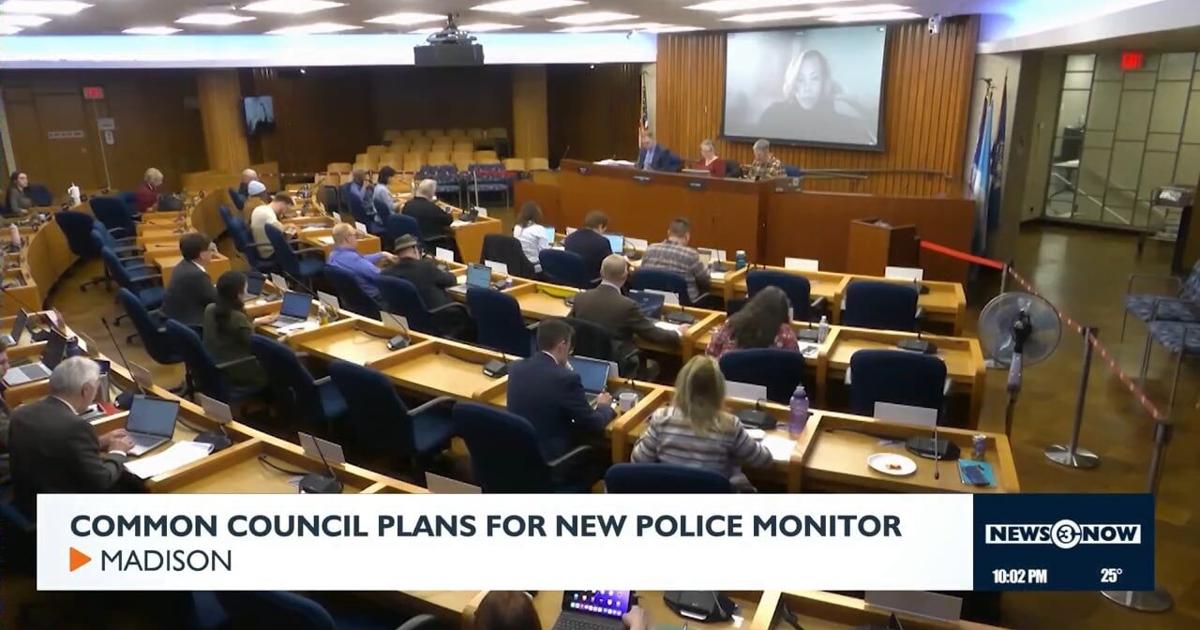
Madison Council Places Contract on File, Declines to Hire Firm for Monitor Search
The Madison Common Council voted Tuesday to place on file a proposed contract with Alma Advisory Group, declining...

Nevada Assault Law: Penalties Rise With Weapons, Covered Workers
Nevada law treats a missed punch or a threat of immediate harm as assault under NRS 200.471, even...