
Massachusetts will tax most personal income at a flat 5% rate for the 2026 tax year, with an additional 4% surtax on taxable income exceeding $1,107,750, according to state tax guides published by MoneyLion and NerdWallet. Returns are due by April 15, 2027.
The 5% rate applies to wages, interest, dividends and most long-term capital gains regardless of filing status, MoneyLion reports. Short-term capital gains — profits from assets held one year or less — are taxed at 8.5%, while long-term gains from collectibles face a 12% rate with a 50% deduction, yielding an effective rate up to 6% before any surtax. NerdWallet notes that the surtax pushes the top marginal rate to 9% on income above the annually adjusted threshold.
Residents who earned more than $8,000 in gross income during 2026 must file a state return, NerdWallet says, adding that the threshold applies per person and gives married couples the option to file jointly or separately.
Nonresidents with Massachusetts-source income above $8,000 or the prorated personal exemption, whichever is less, also have a filing requirement. Full-time residency is defined as living in Massachusetts for the entire year or maintaining a home in the state and spending more than 183 days there, according to NerdWallet.

Massachusetts does not offer a standard deduction, both outlets note. Instead, taxpayers claim personal exemptions based on filing status: $4,400 for single or married filing separately, $6,800 for head of household, and $8,800 for married filing jointly, MoneyLion details. Additional exemptions include $1,000 per eligible dependent, $700 for taxpayers age 65 or older, and $2,200 for legally blind taxpayers.
Available deductions include up to $750 per taxpayer for commuting costs such as E-ZPass MA tolls and transit fares that exceed $150, and a rental deduction of 50% of rent paid for a primary residence, capped at $4,000 annually, MoneyLion reports.
Credits include a refundable $440 child and family tax credit for each qualifying dependent — children under 13, adults 65 or older, and certain dependents or spouses with disabilities — as well as an earned income tax credit for low- and moderate-income workers.
Interest on U.S. Treasury bills, notes and bonds is exempt from Massachusetts income tax, MoneyLion adds. Taxpayers who miss the April 15 deadline may receive a six-month extension if they have paid at least 80% of their tax liability by the due date, NerdWallet states.
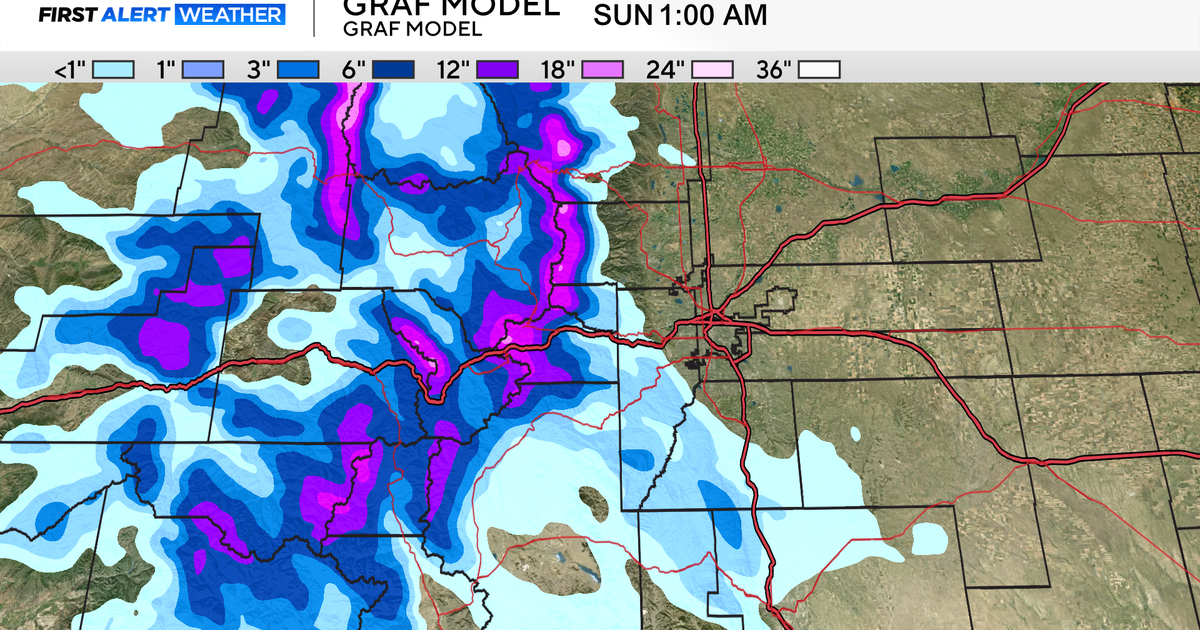
Colorado Mountains: Heavy Snow, 60 mph Winds Saturday; I-70 Travel Disrupted
A winter storm will bring heavy snow and high winds to Colorado mountains Saturday, with winter storm warnings...

Series of Storms to Bring Heavy Rain and Strong Winds to Southern California
A series of storms will bring heavy rain, strong winds and flood risks to Southern California beginning Sunday...

Baylor Edges Virginia Tech 2-1 in Double Overtime to Face Colorado in Sweet 16
Baylor edged Virginia Tech 2-1 in double overtime Friday night at Betty Lou Mays Field, advancing to the...

Diamondbacks Sign Japanese Pitcher Kona Takahashi to $3M Deal
The Arizona Diamondbacks have agreed to a one-year, $3 million deal with Japanese right-handed pitcher Kona Takahashi, according...