
“Remember, ‘yes’ is a good word,” Senator Cindy Creem said during a press conference on Thursday, celebrating the decision by Massachusetts voters to preserve the state’s 2024 gun reform statute.
According to reporting from the Greenfield Recorder, nearly 67% of voters cast a “yes” vote to maintain the law, which introduced new oversight for 3D-printed and untraceable “ghost guns.” The legislation also bolstered the state’s “red flag” law, updated the existing assault weapons ban, and expanded requirements for data collection and reporting.
While the results show broad support across the state, the vote revealed a clear geographic divide. Unofficial results indicate that communities throughout Greater Boston and eastern Massachusetts overwhelmingly voted to keep the law, whereas large sections of central, western, and southeastern Massachusetts voted for its repeal.
Regional voting splits
The divide was particularly visible in the North Quabbin region and Franklin County. In Franklin County, Question 9 saw a higher percentage of “no” votes than “yes” votes, with 59.3% of voters choosing to uphold the law.
In the North Quabbin region, ten of the 30 municipalities recorded more “no” votes than “yes” votes. The highest opposition was concentrated in smaller towns in western Franklin County:
| Town | “No” Vote Percentage |
|---|---|
| Monroe | 71.2% |
| Rowe | 63.6% |
Toby Leary, chair of the Civil Rights Coalition that led the repeal effort, said he was not surprised by the outcome but expressed disappointment. He suggested that many residents viewed the measure as simple regulation rather than a fundamental constitutional issue.
“Like a lot of people don’t look at this as a constitutional issue — they look at it as just a, you know, a form of regulation,” Leary told State House News Service. State House News Service
Legal challenges move through Massachusetts courts and Supreme Court
Despite the successful defense of the law at the ballot box, the legal battle is far from over. Leary noted that several active legal challenges are moving through the Massachusetts court system, including disputes regarding data privacy related to an online firearm registration portal.
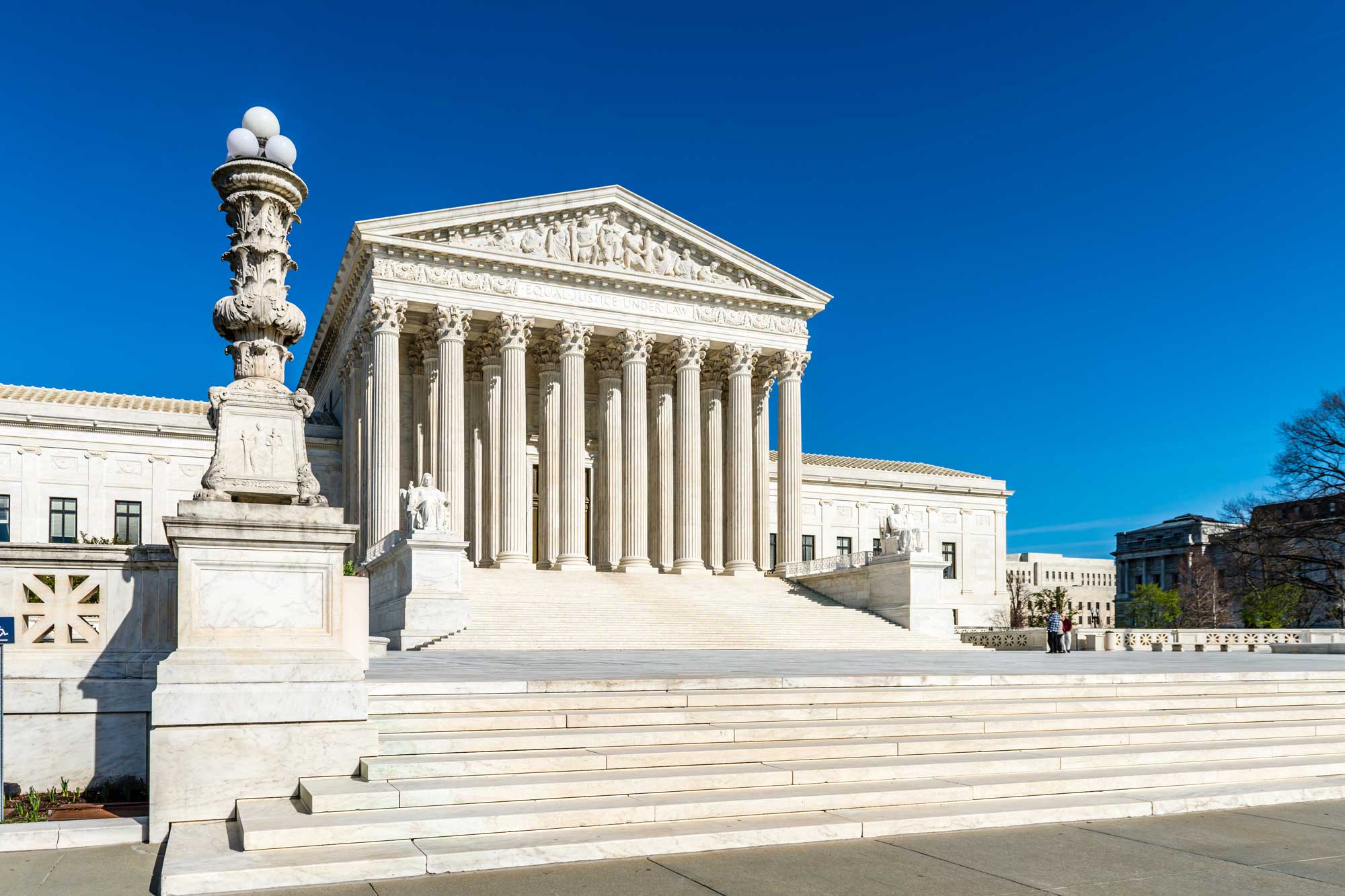
Gun rights advocates are also monitoring upcoming oral arguments in the U.S. Supreme Court. The Court is expected to hear consolidated challenges regarding the constitutionality of bans on semiautomatic rifles, such as the AR-15.
Leary believes the Supreme Court has already signaled its stance on such restrictions. “I think they’ve already tipped their hand that you cannot ban firearms that are in common and ordinary use,” he said, noting that this challenges the Massachusetts handgun roster and assault weapon ban.
Senate President Karen Spilka, when asked about the potential impact of the Supreme Court’s decisions on state law, said the legislature would have to wait for the results of the oral arguments.
Prosecutions and legislative goals support public safety
Proponents of the law argue that the regulations are essential for preventing violence. Since the law was implemented, Middlesex District Attorney Marian Ryan reported that her office has prosecuted 17 individuals for the manufacture and use of ghost guns, as well as nine people for firing weapons into occupied homes.
Senator Creem, a primary architect of the bill, suggested that the Massachusetts framework could serve as a template for other states. “My hope is that the work we’ve done here will serve as a model for other states looking to strengthen their own gun safety laws and prevent senseless tragedies,” Creem said.
The law was fast-tracked in October 2024 when Governor Maura Healey signed an emergency preamble, allowing the reforms to take effect immediately. This move prevented activists from suspending the law while the repeal campaign proceeded.
Representative Michael Day emphasized that the focus must now shift to the practical application of these rules. He stated that the state must ensure law enforcement receives the specific training and tools requested to implement the law thoughtfully.
Ruth Zakarin, who chaired the “Yes on 9 for a Safe Massachusetts” campaign, said she is not significantly concerned about the ongoing litigation in state courts. “So far, everything has been decided that this law is sound and it is constitutional,” Zakarin said.
Related reading

No. 19 Texas Tech Hosts No. 3 Illinois on Tuesday
No. 19 Texas Tech faces No. 3 Illinois in Lubbock Texas Tech enters Tuesday night's matchup against No....

No. 1 South Carolina defeats No. 12 North Carolina 84-39
The No. 1 South Carolina women's basketball team defeated No. 12 North Carolina 84-39 on Sunday, November 8,...

Rhode Island Rams Men’s Basketball Start 2026-27 Season with 2-0 Record
Rhode Island Rams hold 2-0 start in 2026-27 season The Rhode Island Rams men's basketball team has secured...

54th YMCA Harrisburg Marathon Draws 1,500 Runners to Capital City
1,500 runners complete the 54th YMCA Harrisburg Marathon About 1,500 runners gathered in the capital city on Sunday...