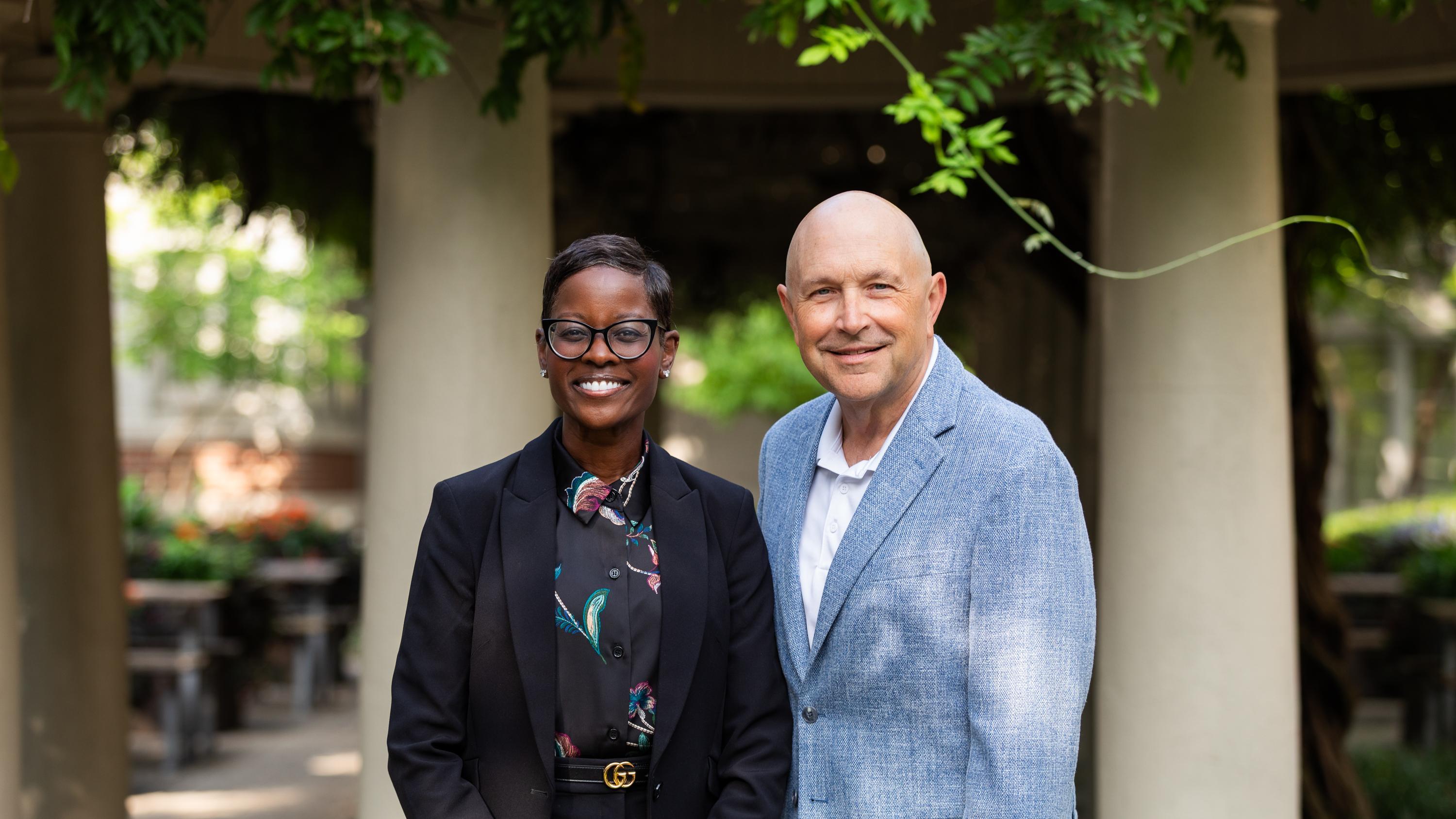
In a column for The Columbus Foundation, Matt Habash argues that Columbus nonprofits must build leaders from within the community rather than recruit them from outside.
Habash, who announced his retirement earlier this year as president and chief executive of the Mid-Ohio Food Collective, spoke with Marchelle E. Moore, a member of the foundation’s governing committee, about his career from St. Stephen’s Community House to 13 years on Columbus City Council, including seven as council president.
“I’m a firm believer that the leadership is already here,” Habash said. “Too often, we look elsewhere for leaders, and we bring them to us. So how do we build up the leaders who are already in this community, leaders who are ready to step up?”
He credited mentors including John Maloney, Judy Stattmiller, former mayors Greg Lashutka and Michael Coleman, and Dr. Phil Cass for shaping a path that bridged “the soup kitchen and the boardroom.”
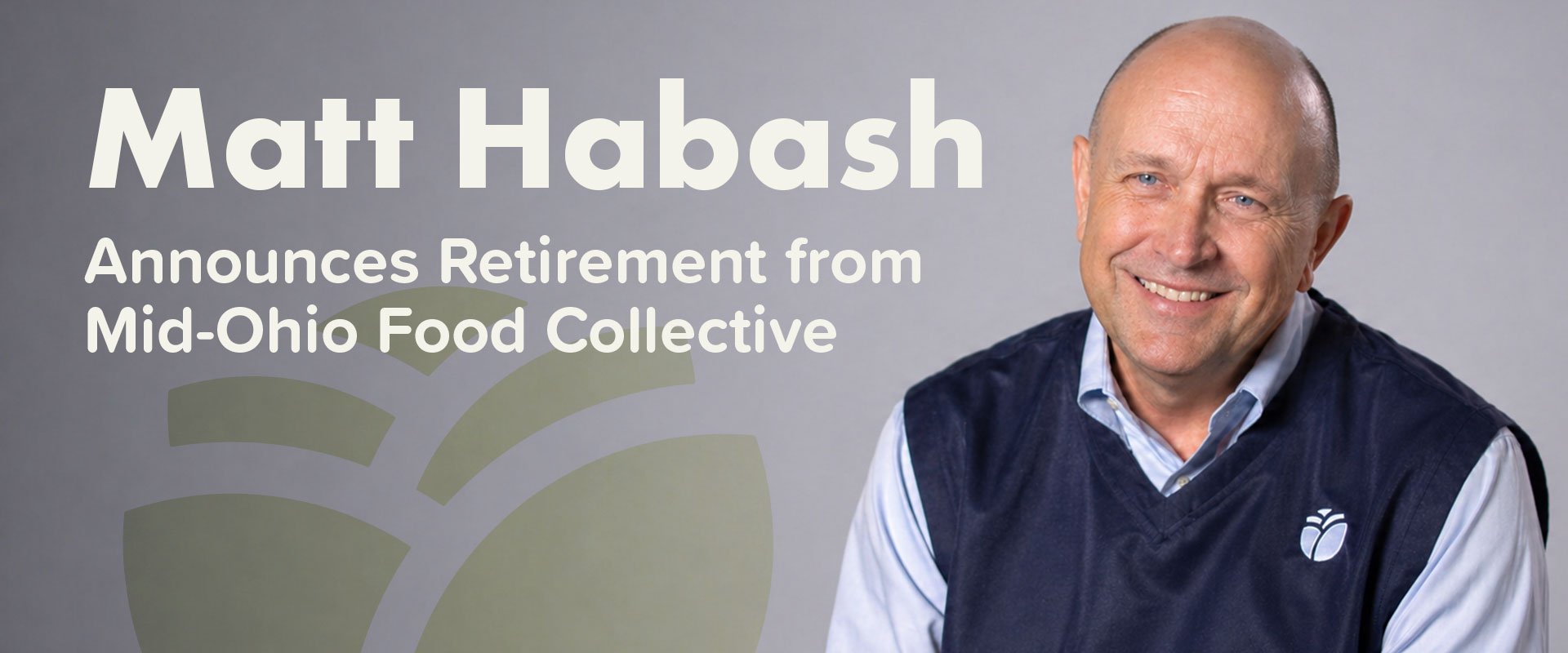
Asked what lesson resonates for today’s nonprofit leaders, Habash said: “Find really good people who are smarter than you, who complement what you do. I inspire them and then get out of their way.”
He cited Thomas Friedman’s observation that “the rate of change is happening faster than our ability to comprehend it,” and said Columbus must embrace optimism to lift those “one bad day away from falling off the cliff.”
Founded in 1980 as a central warehouse distributing food to pantries and shelters across 20 counties, Mid-Ohio Food Collective shifted its mission over the last decade from simply supplying 680 agency partners to “ending hunger one nourishing meal at a time and co-creating a community where everyone thrives.”
In 2020, the organization distributed the equivalent of 170,000 meals daily — a 25–30 percent increase over the prior year — and partnered with the National Guard to maintain operations when volunteer capacity collapsed during the pandemic.
“Holding ambiguity is a hard thing for people to do,” Habash said. “But if there’s anything that I’ve learned, it’s to be curious. Ask the questions. Continue to raise tough issues. Change happens when we reach the edge of our comfort zone. That’s how we become better and do better.”
Worth a look

Washington, D.C. Unveils 2027 NFL Draft Countdown Clock at Union Station 160 Days Out
Washington, D.C., unveiled the official countdown clock Monday for the 2027 NFL Draft presented by Bud Light, placing...

Oklahoma Administrative Law Judge Orders Feed the Kids to Repay $1.2M in Federal Meal Funds
An Oklahoma administrative law judge has ordered the nonprofit Feed the Kids Inc. to repay more than $1.2...
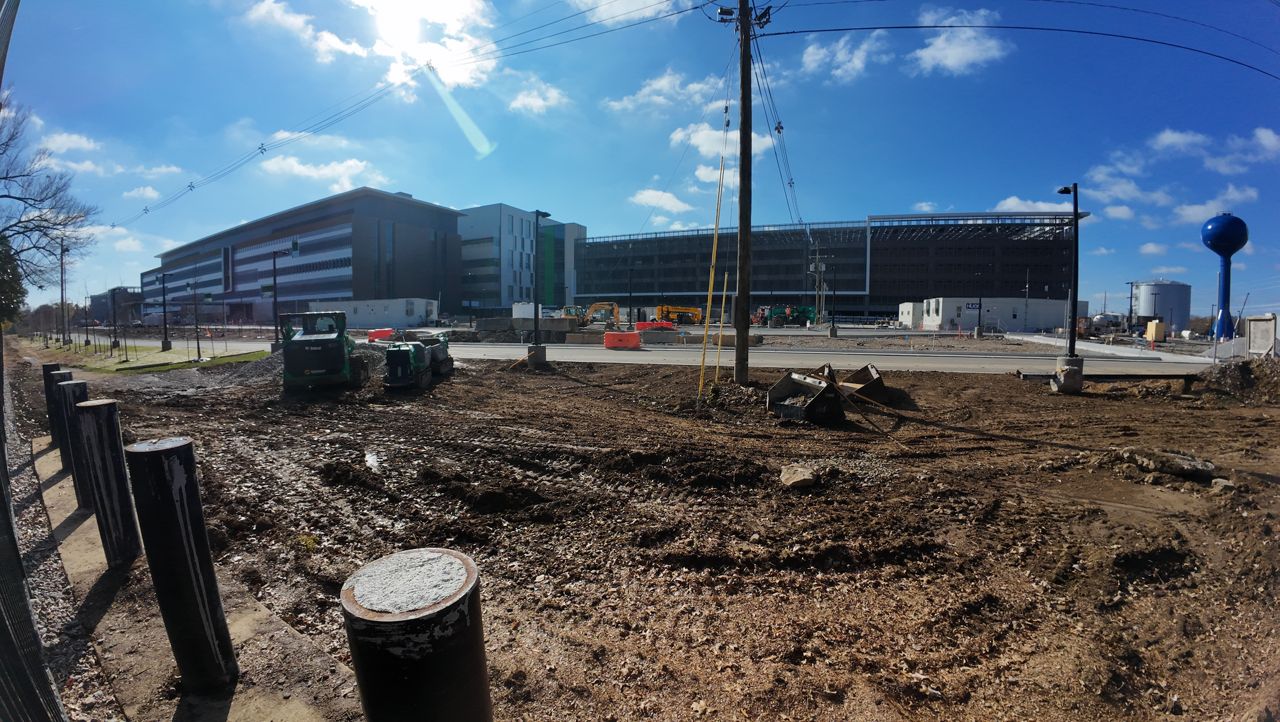
Louisville VA Medical Center Facing More Delays With Completion Pushed to 2028
The Louisville VA Medical Center on Brownsboro Road will not open until 2028, two years past its revised...

BLM Montana, Dakotas Offer $1 Fuelwood Permits Online
The Bureau of Land Management's Montana and Dakotas field offices are offering personal-use fuelwood permits for $1 per...