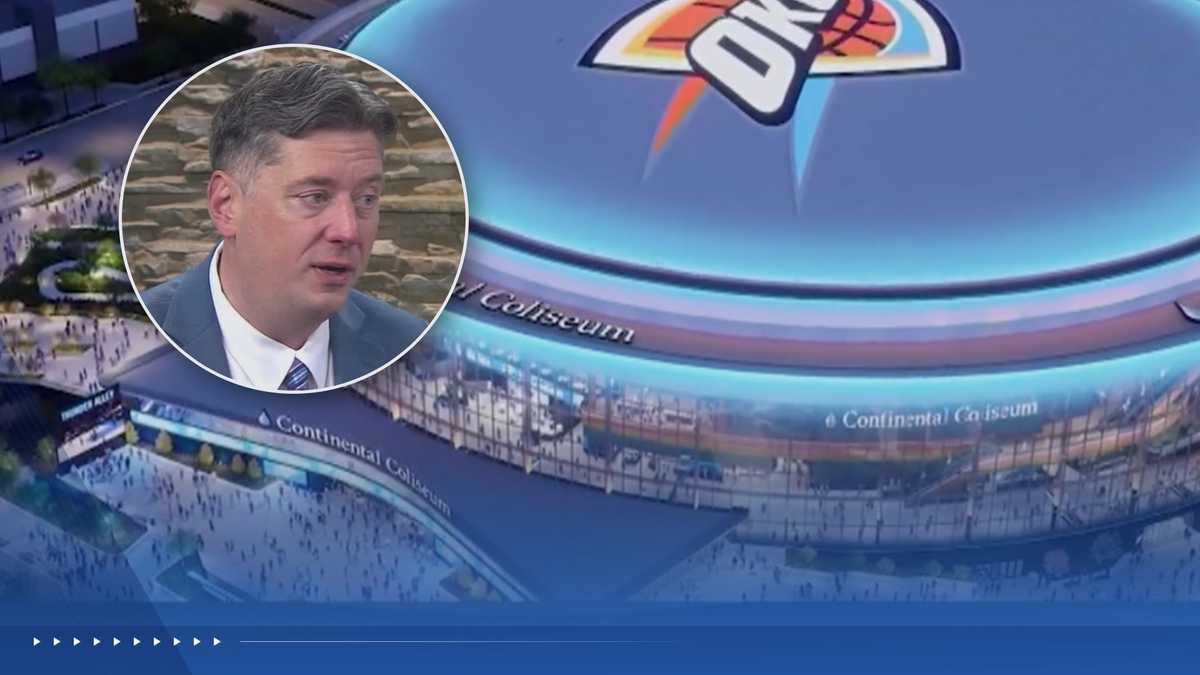
Seventy-one percent of Oklahoma City voters approved a one-cent sales tax in December 2023 to fund a new NBA arena, a margin that now frames a $900 million debate the mayor says is settled and a former All-Star says was never a fair fight.
Blake Griffin, the Oklahoma City native and former No. 1 overall pick, used the opening monologue of his podcast The Stepback with Blake Griffin to argue that Thunder fans were effectively coerced into buying the team a new building. “The people of Oklahoma voted to pretty much buy the organization a new arena,” Griffin said, citing the $850 million public share versus the ownership group’s $50 million contribution.
He noted Oklahoma ranks 45th in starting teacher pay — a figure that hits home for the son of two teachers. J.C. Bradbury of Kennesaw State University said at the time of the vote: “Whoever negotiated this for the city of Oklahoma City should be fired for incompetence. It is by far the worst stadium deal I’ve ever seen negotiated from a public standpoint.”
Mayor David Holt pushed back in an interview with KOCO 5, calling Griffin’s critique recycled frustration. “That was the reality we faced years ago. We’ve already been through all these arguments. He’s not bringing anything new to the table,” Holt said.
“The only way we put our finger on the scale is to build this arena, which nobody else was going to build for us. Clearly, the owners weren’t going to build it. No other private-sector interest was going to build an arena that expensive that’ll retain an NBA team in a market this small.”
He added: “He’s just saying he just hates the state of the world. And, you know, don’t we all sometimes.”
The exchange crystallizes the tension between civic pride and public economics in a market that lost the Seattle SuperSonics in 2008 because Seattle refused to build a new arena. Oklahoma City’s current lease at Paycom Center runs through 2028; the new Continental Coliseum is now targeting the 2028-29 season after the City Council approved final plans earlier in November.
Holt told KOCO 5 construction is ahead of schedule. Renderings released November 12 show interior bars, dining spaces and an art installation inspired by Thunder fans. “It’s going to be an iconic structure for our community. It raises the bar. It’s just really cool, I think. Still can’t believe that’s going to be in Oklahoma City. This is a long way from the Myriad,” Holt said.
“They know that the alternative is to lose the team and watch Shai (Gilgeous-Alexander) play basketball for the Wichita Thunder,” Griffin said on his podcast. “Oklahoma City has the Thunder because Seattle refused to build the Sonics a new arena.”
The financial structure approved by voters extends a one-cent sales tax for six years, projected to raise roughly $850 million. The Thunder ownership group, led by Clay Bennett, committed $50 million — about 5.5 percent of the original $900 million estimate.
Holt has acknowledged the final cost could reach $1 billion, with the vote’s stipulations placing any overruns on taxpayers. The team’s lease at the new arena would run through at least 2053, securing the franchise for another quarter-century.

The Thunder’s net operating income hit an estimated $114 million in the 2024-25 championship season, up from $74 million the prior year. The franchise’s 1,143 percent value increase over two decades underscores the asset appreciation taxpayers are not sharing.
Yet Holt has consistently argued Oklahoma City lacks leverage: “Cities like ours never have leverage in these situations. We in Oklahoma City haven’t had the team long enough to forget what it was like before we had the team,” he told Front Office Sports.
Griffin’s critique extends beyond the balance sheet. “Fans feel hamstrung having to pay billions of dollars to keep the teams they love,” he said, framing the arena vote as a choice between civic identity and essential services. The mayor’s rejoinder — that the debate is litigated, the vote is final, and the steel is rising — reflects a governing philosophy that treats retention as an existential prerequisite for a “major-league city.”
The Continental Coliseum is now a physical timeline: ground broken in March, renderings public in November, steel climbing ahead of schedule, and a 2028-29 opening date that will either validate the investment or deepen the argument Griffin reignited.

Colts Lead Texans 3-0 After Shrader Field Goal; Haulcy Intercepts Stroud Twice
The Indianapolis Colts lead the Houston Texans 3–0 late in the first quarter of Thursday night’s AFC South...

David Landis Surveys New Orleans Dining: Dakar, Emeril’s, Halloween on Bourbon Street
David Landis timed his visit to New Orleans for a friend’s 70th birthday, and the city handed him...

WA Pension Panel Advances 3% COLA for Retirees; Governor Warns of $4B Gap
Washington's Select Committee on Pension Policy voted Tuesday to advance legislation granting a 3% cost-of-living adjustment to roughly...
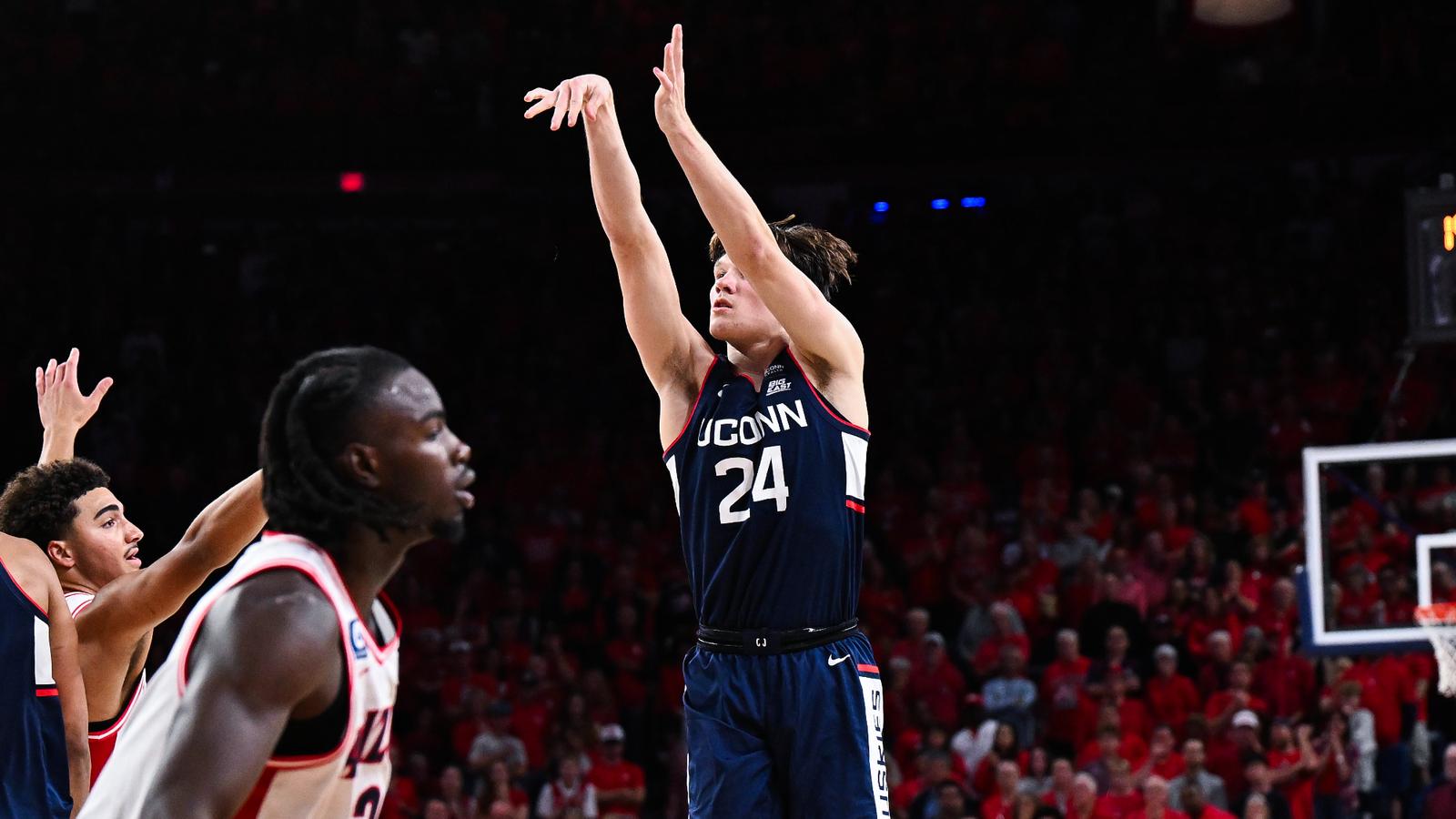
No. 3 UConn Loses 85-79 to No. 12 Arizona for First Loss; Mullins Scores Career-High 29
UConn (4-1) fell into a 17-5 hole after starting 3-of-17 from the field, ultimately losing 85-79 to No....