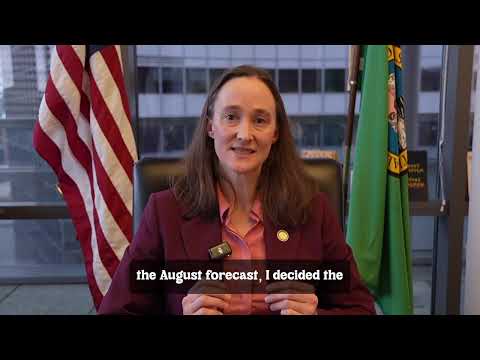
Mayor Katie Wilson defended her push for a balanced budget ahead of Thanksgiving, arguing fiscal responsibility sustains progressive services after the Seattle City Council approved the 2027–2028 budget over her objections. She closed a projected $175 million deficit through spending efficiencies rather than tax increases, rejecting a council move to tap $31 million in JumpStart reserves.
Wilson framed the approach as a defense of public trust. “Fiscal responsibility is a progressive value,” she said in a video address. “For too long that phrase has been code for slashing public services. That is emphatically not what Seattle stands for.”
Wilson avoids raising jumpstart tax funds investments
Wilson opted against raising the JumpStart payroll tax on large corporations, citing downtown office vacancies and tech-sector uncertainty. She paired internal efficiencies with an August revenue bump to fund core social investments.
She opposed the council’s plan to redirect $31 million in JumpStart reserves — originally earmarked for affordable housing and post-pandemic services — to cover council amendments. A centrist-leaning majority under Budget Chair Dan Strauss tacked on about $36 million in General Fund outlays, $31 million of it one-time money, to undo a number of Wilson’s reductions.
“One-time funds set expectations for additional funding in future years—funding that does not exist,” Wilson warned. She said she will pursue new progressive revenue, including a local capital gains tax, in Olympia.

Wilson backs police department funding targets
Wilson backed funding to bring the Seattle Police Department to 1,250 officers, aiming to meet realistic hiring targets while blunting “defund” attacks and tempering demands for higher thresholds from Public Safety Chair Bob Kettle.
Because the council leaned on one-time reserve sweeps to bring back encampment and clearance programs, a fiscal cliff looms unless Olympia grants new taxing authority or local revenues recover.
Seattle Mayor Katie Wilson is pushing back on changes the Seattle City Council’s Select Budget Committee made to her proposed 2027 budget, warning that the amendments rely too heavily on one-time funding.https://t.co/zu48eToNwA
Ranked-choice voting shifts council dynamics
Seattle’s inaugural ranked-choice voting primary takes place next August for all seven district council seats. Voters may rank up to five candidates, a change that could reduce the spoiler dynamic that has split progressive coalitions and produce a council aligned more fully with Wilson’s administration.
Wilson celebrated incoming District 5 Councilmember Nilu Jenks as part of a new “progressive majority” across the city and the nation. Armed with early wins like universal school meals and her positioning on fiscal discipline, Wilson plans to back aligned challengers to further reshape the council.
Seattle voters elected Katie Wilson as the city’s 58th mayor in November 2025, when she narrowly defeated incumbent Bruce Harrell by 0.73 percentage points and took office on January 1, 2026.
Before her mayoral campaign, Wilson co-founded the Seattle Transit Riders Union in fall 2011 and served as its executive director and board president, leading successful advocacy for the ORCA Lift reduced-fare program in 2014 and helping shape the JumpStart payroll tax on large employers in 2020 to fund affordable housing.
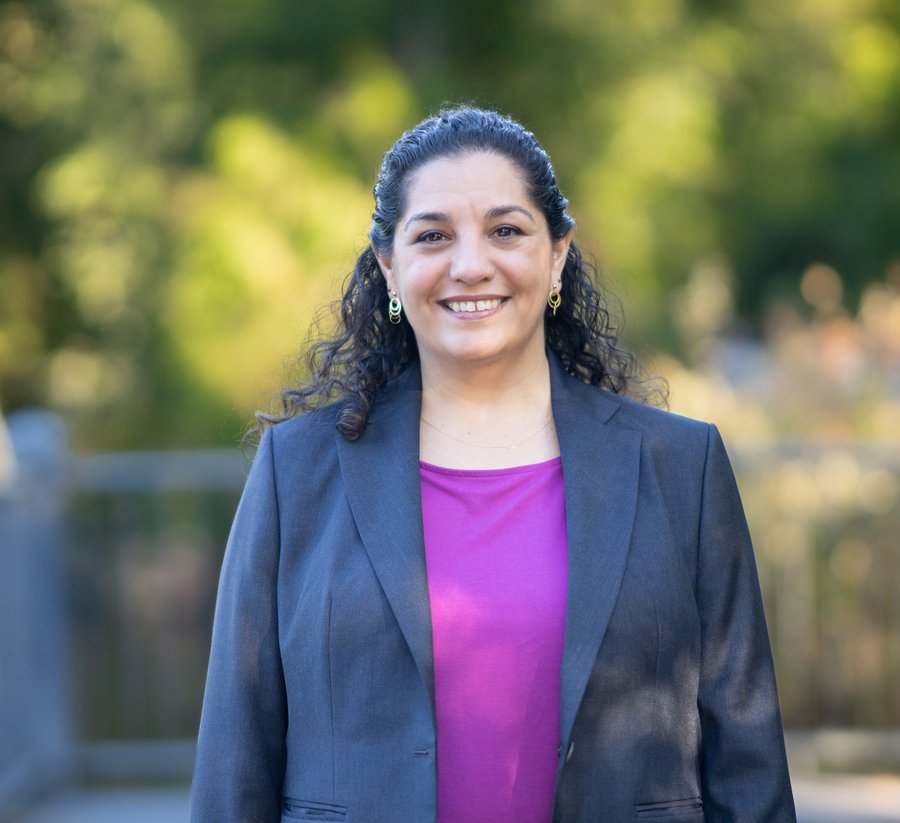
“Overall we have made meaningful progress this year toward a structurally balanced budget,” Wilson said, “and I look forward to completing that work in the years ahead.”
Related reading
Trenton City Museum screens “Bell, Book and Candle” Dec. 5
Trenton City Museum will screen the 1958 romantic comedy "Bell, Book and Candle" on Saturday, December 5, at...

National Guard Deployed and $2 Million Invested in Oʻahu Coqui Frog Eradication
Hawaiʻi is spending at least $2 million and deploying National Guard troops to eradicate invasive coqui frogs from...

Delaware Council Tables Four Seasons Plans Over K. Hovnanian Tree Violations
Delaware City Council tabled the final two development plans for Four Seasons at Addison Farms on Monday after...

Arizona Sisters Among 5 Killed, 35 Injured in Mexico Bus Rollover; Driver Charged
A passenger bus overturned on the Pan-American Highway in northern Mexico on Sunday, killing five people and injuring...