
Prescriptions for menopause hormone therapy have surged 141% since 2023, reaching 4.9 million monthly fills by June 2026, while patients scramble for estrogen patches that remain in short supply despite doubled manufacturing.
A Johns Hopkins study published November 19 in JAMA tracked the spike using IQVIA pharmacy data covering about 90% of U.S. outpatient prescriptions. Dispensing rose from roughly 2 million fills a month in July 2023 to 4.9 million in June 2026, with the dispensing rate more than doubling from 28 to 67 prescriptions per 1,000 women ages 40 to 74.
Transdermal products drive surge
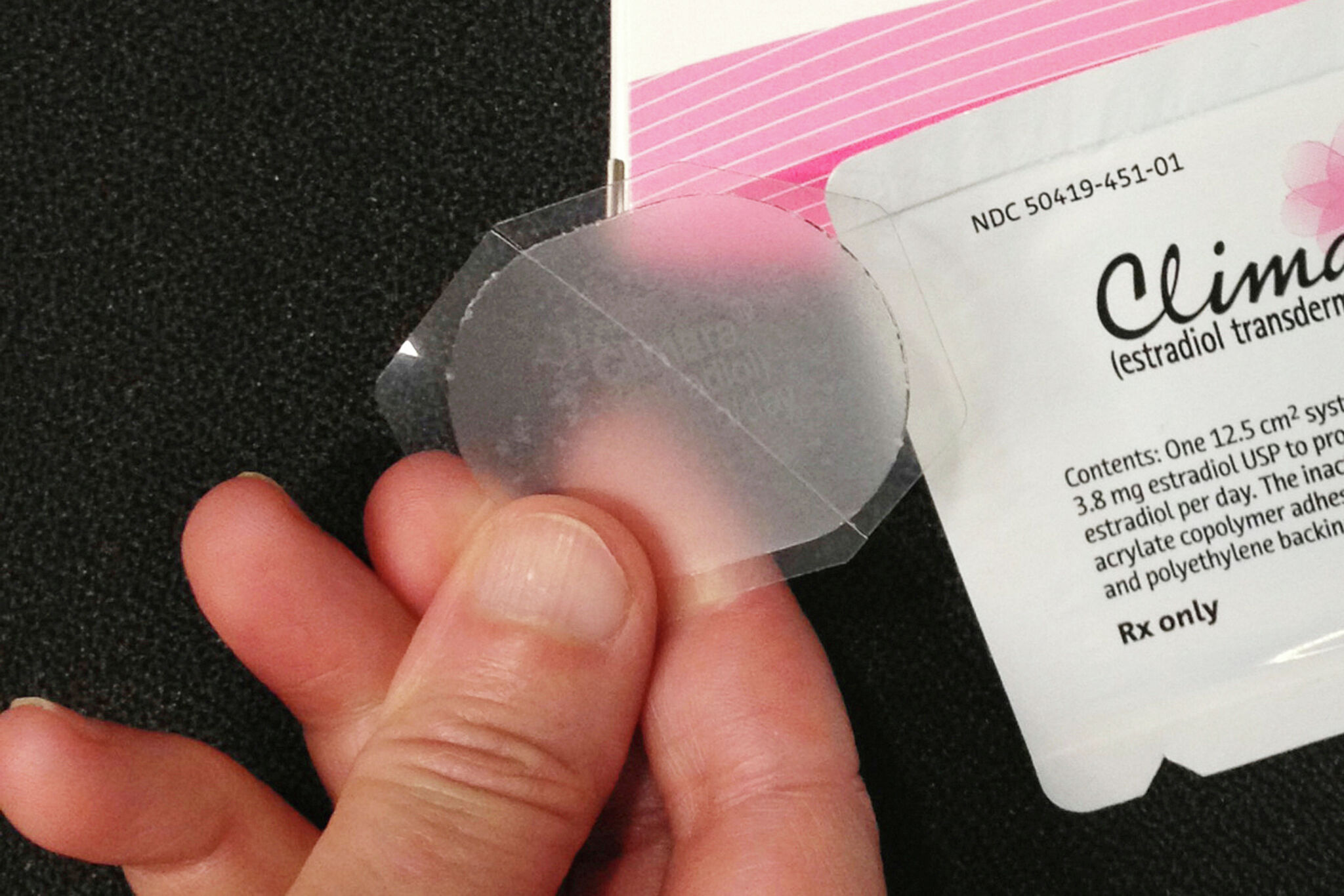
Systemic transdermal estrogen — patches, gels, and sprays — led the growth with a 306% increase. Progestogen products rose 189% and vaginal estrogen 105%, while oral formulations stayed flat. Estrogen patches and vaginal estrogen accounted for the bulk of new volume, a shift clinicians attribute to safety data favoring skin-based delivery over pills.
“Transdermal, or absorbing through the skin, is one of the safest versions,” said Dr. Rachel Bonnema, a professor in the Department of Internal Medicine at UT Southwestern Medical Center, explaining that oral estrogen passes through the liver and measurably increases clotting risk.
Demand jumped before FDA acted
The rise began in 2024, more than a year before the FDA’s November 2025 removal of the boxed warning on breast cancer, cardiovascular disease, and dementia from hormone therapy labels. Researchers point to updated Menopause Society guidelines in 2022, growing social media discussion, and broader patient awareness.
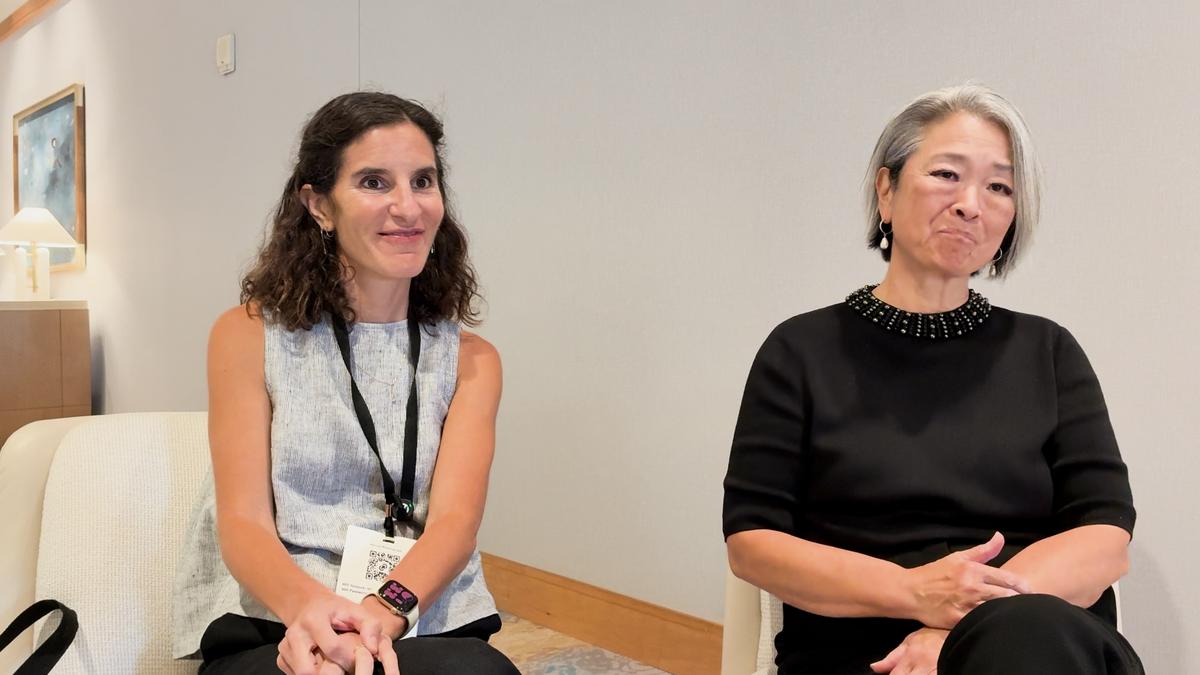
“There was definitely a movement on social media about menopause in general,” said Dana Sarnak, lead author of the JAMA study and a researcher at Johns Hopkins University. “There definitely seems to be a surge in dispensing as well as demand.”
Lauren Streicher, clinical professor of obstetrics and gynecology and founding medical director of the Center for Sexual Medicine and Menopause at Northwestern University Feinberg school of medicine, added: “There has been a huge upswing in women who are demanding it.” She cautioned that influencers often oversimplify benefits: “For many women, of course, it’s appropriate and they should be taking hormone therapy. For many women, it’s not.”
When results from the Women’s Health Initiative were published in 2002 and warnings about the risks of breast cancer, heart disease and stroke were added to menopause hormone medications a year later, their use “plummeted” and stayed low even through 2023, Sarnak said.
The Women’s Health Initiative studied oral pills, and its participants were on average in their 60s. Sarnak is affiliated with the Center for Drug Safety and Effectiveness at Johns Hopkins Bloomberg School of Public Health in Baltimore, Maryland.
Patch shortage persists
Manufacturing of estrogen patches has doubled over the past year, yet shortages persist. Dr. Sarah Foster Richina, director of the UPMC Magee-Womens Midlife Health Center, said her clinic is “inundated with calls from patients who are struggling to find their patches.” She confirmed “patients are traveling across state lines” — some driving to West Virginia — while others cut patches in half or wear two at once to compensate for unavailable doses.
Pennsylvania State Rep. Natalie Mihalek pressed the FDA for an official shortage declaration, which would unlock tools to pressure manufacturers. The agency responded that no nationwide shortage exists, calling it a Pennsylvania-specific issue — a stance contradicted by the American Society of Health-System Pharmacists, which lists estradiol transdermal systems as a current shortage with several brands and strengths on back order.
In October, Senators Kirsten Gillibrand and Tammy Duckworth wrote to Acting FDA Commissioner Kyle Diamantas, describing “thousands of women struggling to navigate administrative chaos — bouncing between competing pharmacy chains, transferring prescriptions between locations, switching formulation brands, or resorting to stretching doses or splitting patches.”
Dorothy Fink, deputy director of the Eunice Kennedy Shriver National Institute of Child Health and Human Development, said: “We are working with manufacturers to strengthen supply and improve access.”
Clinicians advise backup plans
Dr. Carolyn Moyers, an obstetrician-gynecologist based in Fort Worth, advises trying different pharmacies, mail-order services, or adjusting to a weekly patch instead of a twice-weekly version. Switching to gel, pills, or a vaginal ring are options, though each carries trade-offs: pills reintroduce a small clotting risk, while rings can be more expensive.
Moyers also pointed some patients to the HRT Club, an online membership that ships directly from manufacturers without insurance markup. “That way, they’re able to get consistent dosing shipped to their house,” she said. “Of course, they’re paying out of pocket for the drug, but there’s not that pharmacy markup.”

Foster Richina urged patients to develop a backup plan with their provider: “It’s worth having that conversation and having a backup plan so when and if you can’t find your patch, because this is predicted for the next, foreseeable few years potentially.”
Study used IQVIA data to track MHT prescriptions
The investigators conducted a serial cross-sectional analysis of the IQVIA National Prescription Audit, which captures approximately 90% of outpatient prescriptions dispensed in the United States through retail, mail service, and long-term care channels. They examined monthly MHT prescriptions dispensed to female patients aged 40 to 74 years, grouped by age, formulation and route, and new versus total prescriptions. They also used US Census data to estimate dispensing rates per 1,000 female patients.
Limitations included the use of aggregate data, which cannot distinguish individuals using more than one MHT product, and a design not intended to support causal conclusions about what drove the changes. The data measure how much hormone therapy women are picking up, not benefits or harms.
Female patients aged 40 to 59 years accounted for 68% of all MHT transactions over the study period, although use also increased among those aged 60 to 74 years (76%). After adjustment for population data, dispensing more than doubled, from 28 to 67 prescriptions per 1,000 female patients aged 40 to 74 years.
Dispensing held steady near 2.1 million prescriptions per month through February 2024. It then rose 23% by February 2025 (2.1 million to 2.6 million) and another 40% by November 2025 (2.6 million to 3.7 million). After the FDA’s November 2025 removal of the boxed warning, dispensing increased a further 33% through June 2026 (3.7 million to 4.9 million).
FDA approves first generic Climara Pro
FDA said it approved the first generic of Climara Pro (estradiol and levonorgestrel transdermal system, 0.045 mg per day/0.015 mg), a once-weekly transdermal hormone therapy patch for women with an intact uterus on October 19, 2026.
FDA’s public list of menopausal hormone therapies with updated prescribing information—content current as of October 30, 2026; rechecked November 16, 2026—names nine products and says only that prescribing information “has been updated.” Sarnak said the warning removal “will open the door for even more dispensing and utilization,” suggesting the supply-pressure may intensify before it eases.
Keep reading

Al Ahly beat Primeiro de Agosto 4-0 to top CAF Confederation Cup Group
Al Ahly opened their CAF Confederation Cup group campaign with a 4-0 win over Angola’s Primeiro de Agosto...

Lawson Ninth in Qatar GP, on Track for Ninth in Championship
Liam Lawson finished ninth in the Qatar Grand Prix on Sunday at Lusail International Circuit, securing ninth place...

Keith Hackett Criticises Michael Oliver Over Thierno Barry Incident in Merseyside Derby Draw
Former Premier League referee Keith Hackett said Michael Oliver should have stopped play and issued a verbal warning...

Blue Jackets Coach Rick Bowness Misses Penguins Game After Health Setback
Columbus Blue Jackets coach Rick Bowness will miss Monday’s game at Pittsburgh after a setback in his recovery...