
Metro wrapped up two major studies this fall that aim to give people across greater Portland more ways to get where they need to go, the regional government announced in late October.
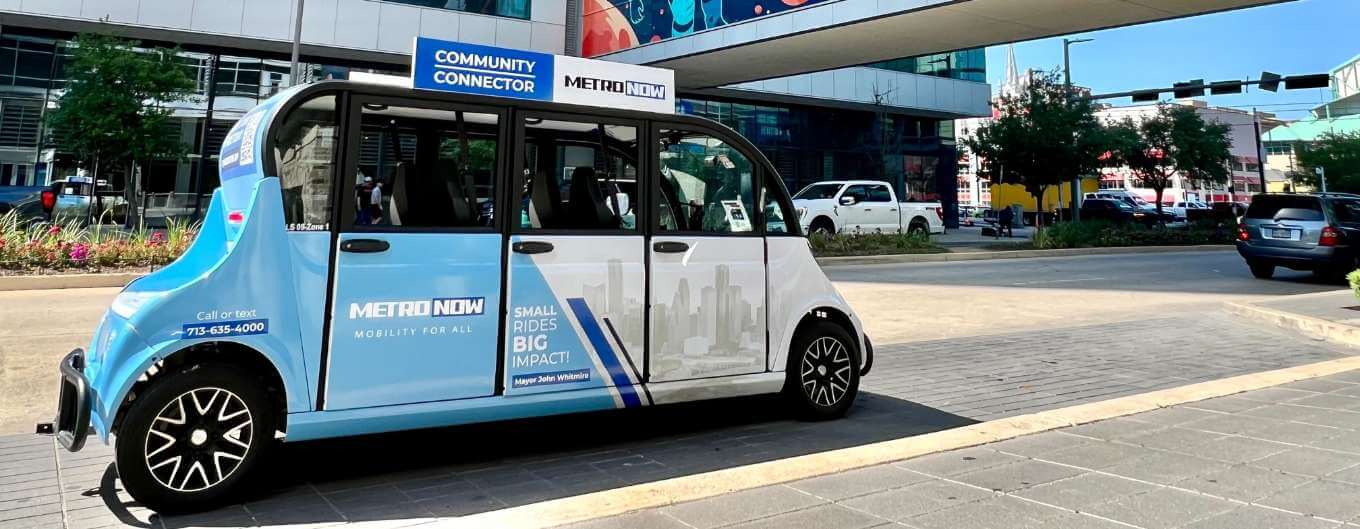
The Metro Council approved the Community Connector Transit Study and the Regional Vanpool Action Plan in late October, moves that could expand the transportation network through more flexible travel options. The work responds to long-standing gaps between where people live and where the region’s high-capacity transit — MAX lines and frequent-service buses — actually runs.
There are a lot of people who rely on transit and may not own a car, which limits the places they can go to live their life. Connectors can help people access more jobs and opportunities, as well as destinations like parks.
Ally Holmqvist, Metro planner
Holmqvist led the Community Connector Transit Study. She said the smaller, nimbler vehicles — shuttles that can run fixed routes or be hailed on demand like a ride-hail service — work best when they feed into the larger transit backbone. The study maps areas across the region that could benefit from connectors and lays out recommendations for local governments, businesses and transit providers to make targeted investments.

While the connector study looks at all kinds of trips, the Regional Vanpool Action Plan zeroes in on commuters traveling longer distances. Rising gas prices and housing costs have pushed more workers farther from job centers, Metro said.
Vanpools are addressing a timely need as gas prices continue to rise, especially for commuters who travel longer distances. At the same time, housing costs have increased and more people are living farther from their workplaces. Vanpools can cut commute costs by half in some cases.
Marne Duke, Metro Regional Travel Options Commute Program Coordinator
A vanpool lets a group share a provided vehicle from a common meeting point or their homes to a workplace. The passengers set the route; a volunteer driver gets the vehicle, and maintenance, fuel and roadside assistance are bundled into the rider cost.
Metro’s plan aligns with a new Oregon Department of Transportation vanpool program and rider subsidy expected to run for the next three years, which aims to make the option affordable for more people and advance a coordinated regional carpooling strategy.
Metro is the only directly elected regional government in the United States, serving the Portland metropolitan area across Clackamas, Multnomah, and Washington counties. Established by a 1978 statewide ballot measure effective January 1, 1979, it evolved from earlier planning bodies dating to 1957. Beyond transportation and land-use planning, Metro operates the Oregon Zoo, Oregon Convention Center, and Portland Expo Center, and manages more than 17,000 acres of parks and natural areas.
Both plans were adopted by the Metro Council in late October.
Keep reading
Kernutt Stokes Moves Lake Oswego Office After Rapid Portland-Area Growth
Kernutt Stokes moved its Lake Oswego office to 2 Centerpointe Drive, Suite 600 on November 9, giving the...

OSU QB Maalik Murphy: Took Less Money, Lost Starting Job, Then Had Career Game
Maalik Murphy threw for 396 yards on 31-of-39 passing against Boise State, a career high that came in...

Maryland Tech Council Warns Drug Reimbursement Plan Risks Patient Access
Maryland lawmakers are advancing a plan that would tether the state’s drug reimbursement rates to Medicare’s negotiated prices,...

Carroll Women, Two Men Set for NAIA Cross Country Nationals
Carroll College will send its women's team and two individual men to the NAIA National Cross Country Championships...