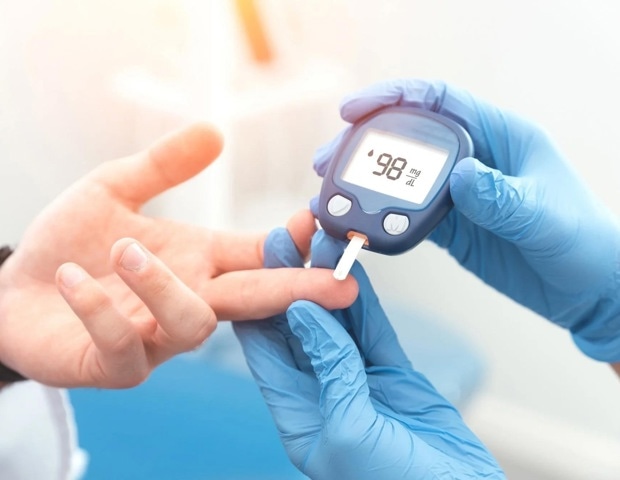
Personalized mobile health coaching significantly reduces gestational diabetes incidence among high-risk pregnant women independently of weight change, according to an international study published in the Lancet Digital Health.
The Bump2Baby and Me study assessed a smartphone-delivered intervention spanning from early pregnancy through 12 months postpartum, with the research spearheaded by Prof Sharleen O’Reilly of the University College Dublin School of Agriculture and Food Science. The multicenter randomized controlled trial spanned Ireland, the United Kingdom, Spain, and Australia, marking the first trial of its scale to provide continuous digital health intervention through both pregnancy and an extended postpartum period.
The risk for developing gestational diabetes links strongly to obesity or overweight status. Lifestyle interventions typically focus on improving diet, physical activity, and weight management. The trial followed two groups receiving either routine care alone or routine care paired with personalized mobile health coaching through the Bump2Baby and Me app.

Researchers found no difference in average maternal body mass index at 12 months postpartum between the two groups. However, they identified a clinically important reduction in the number of women who developed gestational diabetes within the app group. Moreover, a notable decrease in body mass index was independently linked to frequent self-weighing performed with straightforward Bluetooth-enabled digital scales.
Digital Coaching Scales Support
The trial enrolled 865 pregnant women between 12 and 24 weeks of gestation who faced increased gestational diabetes risk. Participants received Bluetooth-enabled scales alongside routine care or the mobile coaching program. The smartphone application delivered tailored health coach support focused on nutrition, physical activity, and well-being.
Trained healthcare professionals acted as coaches, providing live sessions alongside text or video support. The intervention proved safe, with zero adverse events tied to the mobile program. Furthermore, diversity across four separate healthcare systems enhanced the generalizability of the findings to different populations.
“By utilizing mHealth technology, we can deliver support in real-time directly to women when and where they need it most. Our research provides a robust, scalable framework to alleviate pressure on routine maternity services while extending preventive care beyond the hospital walls into the vital first year postpartum.”
— Prof Sharleen O’Reilly, Project Lead and Principal Investigator, UCD School of Agriculture and Food Science
Bump2Baby&Me+ Initiative Focuses on Implementing Mobile Health Coaching
Bridging the gap between clinical trial success and practical healthcare implementation remains a priority. The research team launched a successor initiative called Bump2Baby&Me+. This new project relies on €2 million in partnership funding under Horizon Europe.
The successor initiative focuses heavily on implementation science. Teams will determine how to embed the evidence-based mobile health coaching program into routine maternity services across diverse healthcare settings.
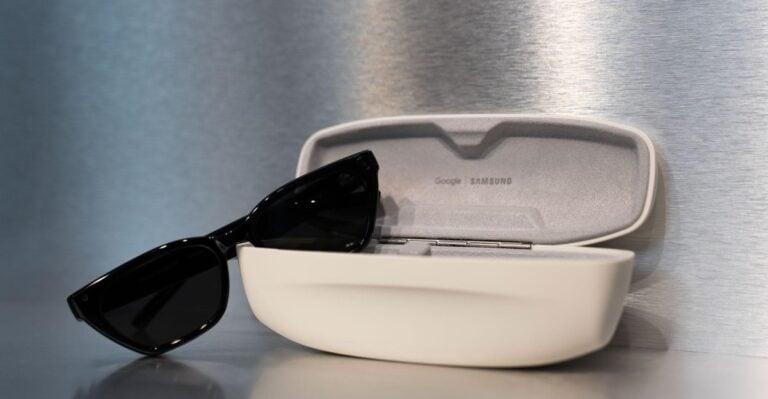
Google and Samsung Open Preorders for AI Eyewear, Samsung Says
Preorders for Google and Samsung's intelligent eyewear opened on November 12, with retail availability set for December 10...
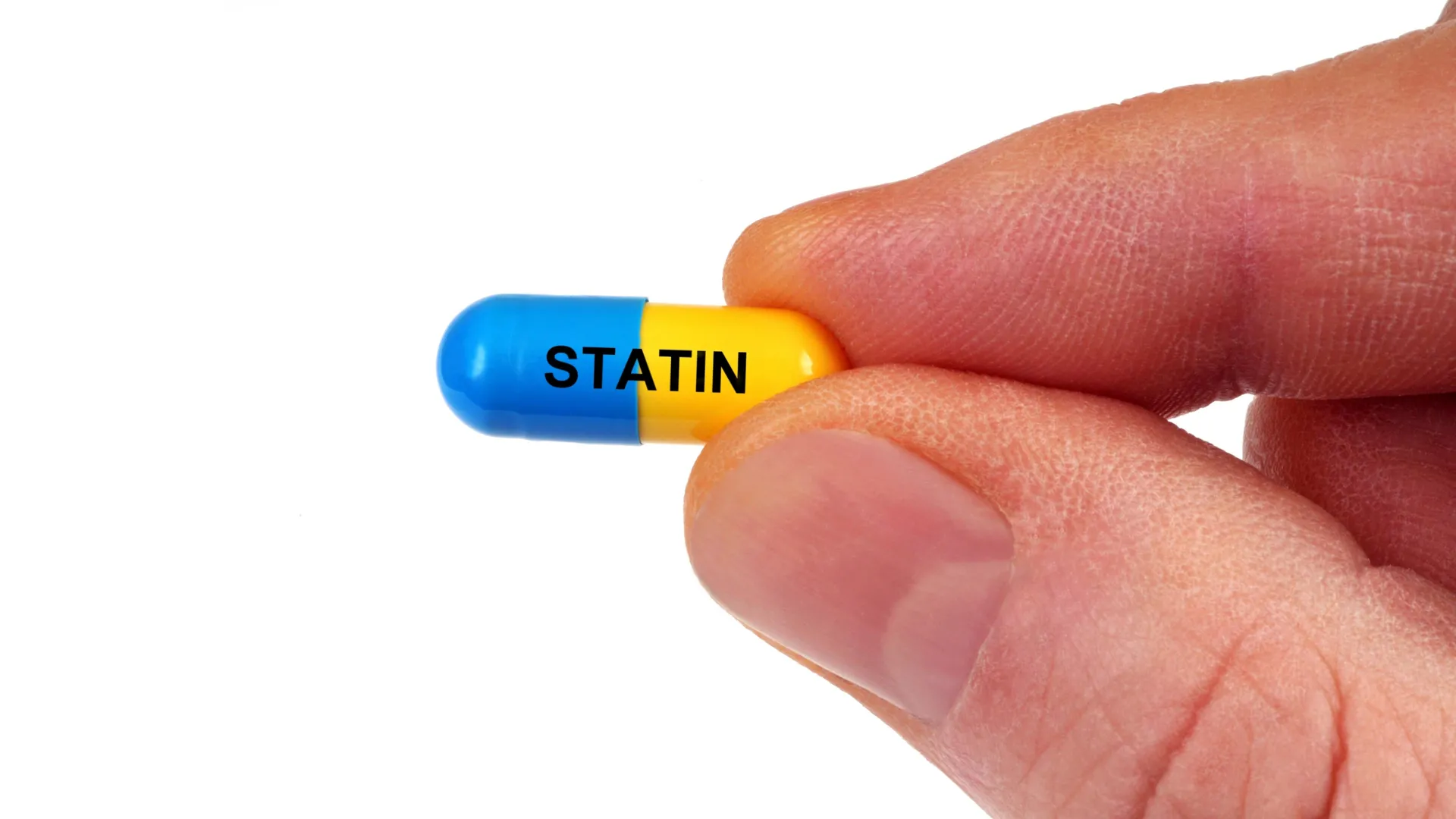
Stopping Statins After 70 May Be Safer Than Expected, but There’s a Catch – Science Daily
For many adults over 70, the daily ritual of taking a statin to prevent a first heart attack...

RTÉ: Funeral Held for Elliot English in Waterford After Arson Attack
Carried into the church as the hymn May the Road Rise to Meet You played, six-year-old Elliot English...

Weekly Antibiotic-Resistant Infections Averaged 406 Last Year – Wired Gov
Antibiotic-resistant infections averaged 406 cases each week across England last year, even as overall drug prescribing dropped. National...