The University of Michigan scuttled its agreement to hire Trev Alberts as athletic director on November 24, sparking a high-stakes dispute over a binding employment document.
Alberts was expected to replace Warde Manuel, who is leaving the post at the end of the year.
- Michigan signed a memorandum of understanding on November 17 to pay Alberts more than $17 million over five years.
- Current President Domenico Grasso and President-elect C. Cybele Raver terminated the deal in a November 24 letter citing background check issues.
- Alberts’ agent, Tom Mars, said that his client is owed the full amount outlined in the agreement.
The Terminated Agreement
The University of Michigan appears to be on the hook for a lucrative executive deal for an athletic director who will never step foot on campus, according to legal experts who spoke with Detroit Free Press.
On Tuesday, November 17, the university entered into a memorandum of understanding with then-Texas A&M athletic director Trev Alberts. Within a week, administrators walked away from the appointment amid scrutiny over how Alberts handled a sexual misconduct allegation at his previous post at the University of Nebraska.
Current U-M President Domenico Grasso and President-elect C. Cybele Raver informed Alberts in a November 24 letter that the background check returned unacceptable information.
The letter stated: “As a result of the information gathered as part of the employment process, the university had determined the background check is not acceptable to the university.” While Mars maintained that his client is owed the entire financial package specified in the memorandum, university officials rejected that demand.

Legal Experts Question Strategy
Employment law specialists who have previously litigated against the university sharply criticized the institution’s handling of the paperwork. Deborah Gordon, an employment law specialist in Bloomfield Hills, called the university’s termination letter “pathetic” and “a bunch of B.S.” in an interview with Detroit Free Press.
“That should have been done before you put the document in front of the guy to sign,” Gordon told the Detroit Free Press. “You signed a memorandum of understanding that’s binding and you didn’t even do a background check? Are you flipping kidding me?”
Gordon said that the university could have easily inserted a clause making the offer contingent upon a clean background check. Instead, the signed document lacks that specific contingency, though it states that the final formal agreement would contain customary executive terms. The university’s November 24 letter argued: “Among the customary terms and conditions of the employment process at the University of Michigan is the successful completion of a background check.”
Sarah Prescott, a Northville lawyer who previously negotiated a $9 million settlement with the school in 2020 over sexual harassment claims against former provost Martin Philbert, reviewed the correspondence and pointed out a secondary argument raised by the administration. The university’s letter asserts that the background check findings constitute “good cause” to terminate the memorandum.
“The second argument is we could terminate you for cause,” Prescott said, according to the Detroit Free Press. “And it says so right in this very same document that you say is binding on both of us.”
The MOU does not define “for cause,” but Prescott said that there are examples from other sources. “It doesn’t mean that it’s just nothing, like you can fire them for anything,” she said. “But it doesn’t mean that you have to have a crime committed and so it becomes what’s essentially, quote unquote, good cause.”
Past Allegations Surface
While the university’s letter did not explicitly detail the disqualifying information, the timing coincides with public reports regarding Alberts’ tenure at the University of Nebraska. Alberts, 56, faces allegations in a Title IX lawsuit filed in February 2024 by former basketball player Ashley Scoggin, who claimed he ignored complaints that an assistant coach manipulated her into a sexual relationship.
Alberts and the University of Nebraska have denied those claims in court filings. However, additional scrutiny emerged from a December 2025 deposition in which Alberts discussed the nuances of consensual relationships between athletic staff and students. Alberts insisted there is “nuance” to the question and said: “It just depends.”
“When I was at University of Nebraska Omaha, we had a worker who was 26-years-old and another student who was in a masters program who is 24,” Alberts said, according to a deposition transcript.
Famed waiver attorney Tom Mars first appeared on the college sports scene in 2017 when he sued Ole Miss on behalf of former coach Houston Nutt, alleging a breach of contract. That litigation unearthed actions by then-coach Hugh Freeze, leading to his resignation.
Since then, Mars became an advocate for players hoping to transfer, helping seven Ole Miss players receive waivers following Freeze’s departure, including quarterback Shea Patterson, and securing immediate eligibility for Justin Fields after his transfer from Georgia to Ohio State.
He recently stated he would no longer handle transfer waiver cases.
Prescott suggested that both sides share blame for drafting an ambiguous memorandum, creating a strong financial incentive to settle out of court rather than litigate the dispute. “What’s the most likely outcome?” Prescott asked. “If the University of Michigan pays him some money, because he has some good arguments and that he takes a haircut because wrestling it out of their fingers, it takes time, money, is risky. So the real answer is, they’ve each given each other a headache here and enough ground to fight and enough ground to settle their differences.”
Related reading

Emergency Crews Respond to Three Columbus Traffic Crashes
“Thanksgiving is a time to come together with family and friends, but one decision to drive impaired can...
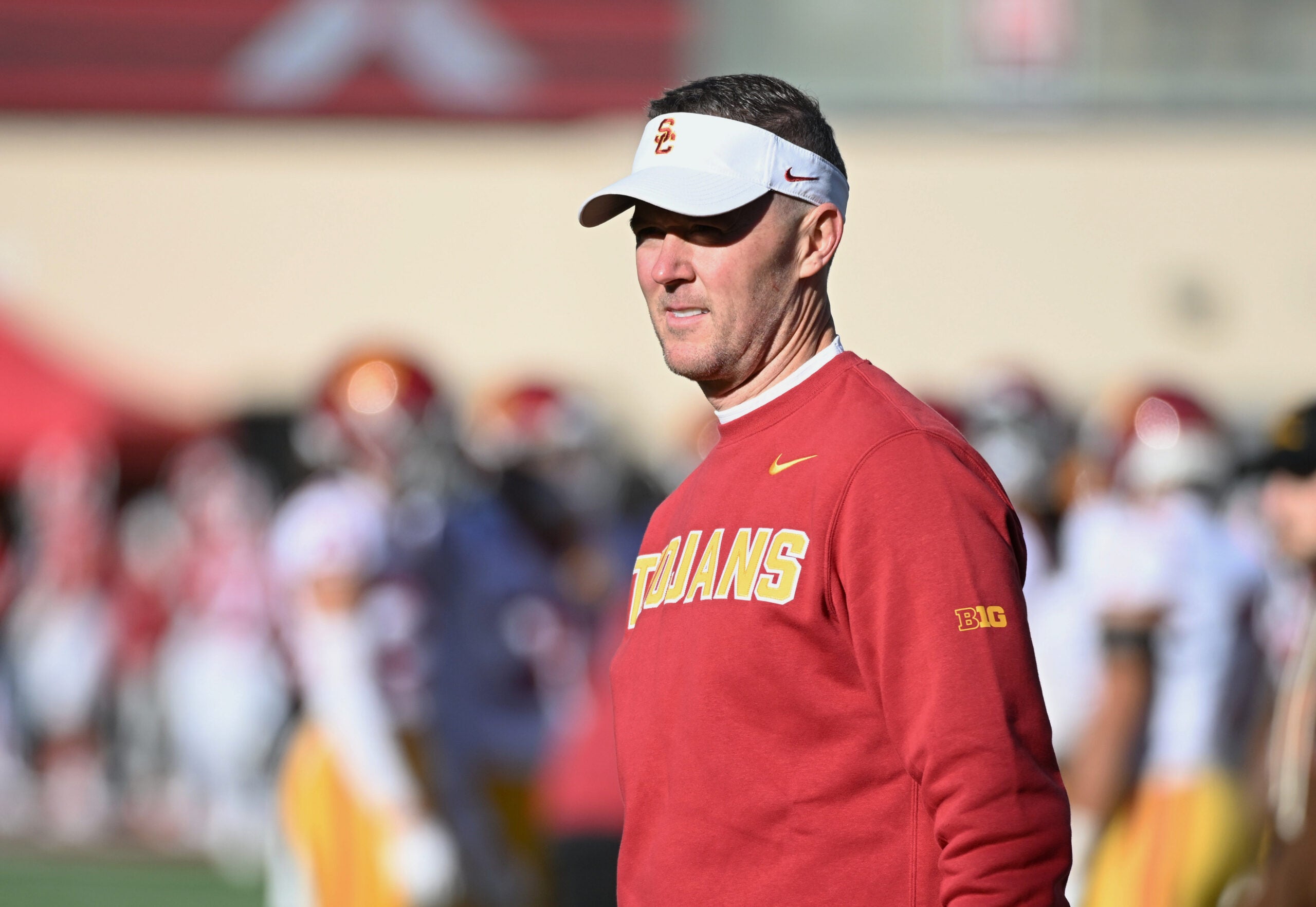
A to Z Sports: USC Should Target Boise State’s Danielson If Riley Leaves for TCU
Southern California must prioritize Boise State head coach Spencer Danielson as its replacement if Lincoln Riley departs for...

Cornyn Blocks Trump Nominee Gaiser, Cites No Trial Experience
Senator John Cornyn is blocking President Donald Trump’s nomination of T. Elliot Gaiser to a federal judgeship in...
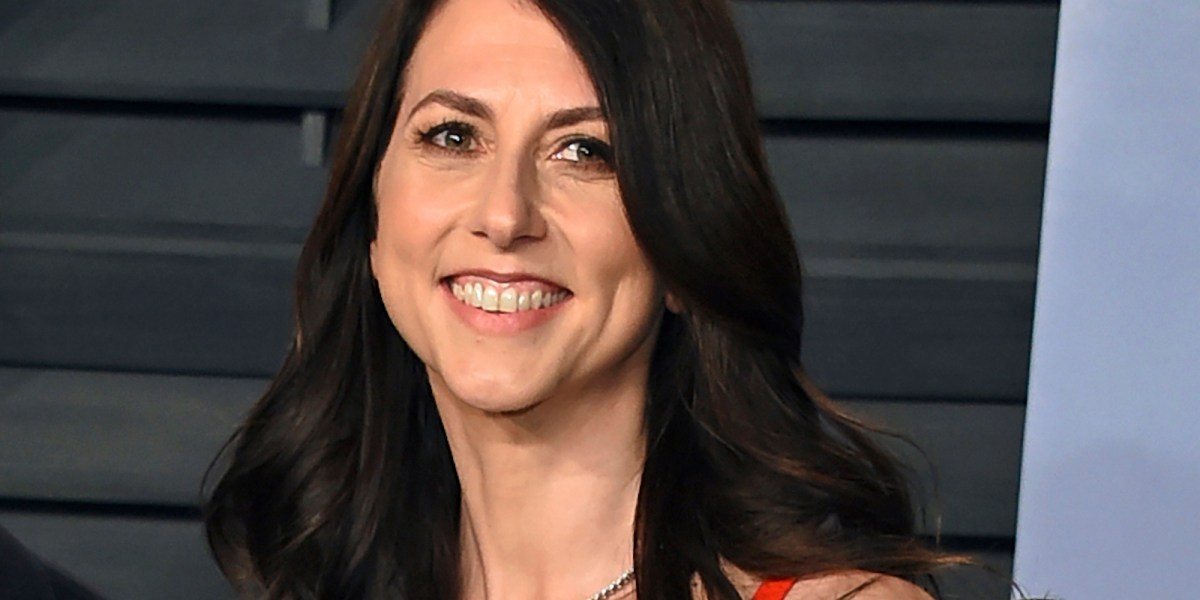
MacKenzie Scott Commits $8 Million More to Achieve Atlanta
MacKenzie Scott has committed an additional $8 million to Achieve Atlanta, bringing her total support for the nonprofit...