
“EPA air monitoring has detected no lead in the surrounding areas,” Middletown City Clerk Brieanna Beck posted Wednesday evening on the city’s Facebook page.
The U.S. Army completed a controlled detonation of nearly five tons of lead azide at the Iowa Army Ammunition Plant in Middletown shortly after 9 a.m. Wednesday.
Initial monitoring shows zero airborne lead
Environmental Protection Agency said in a Nov. 25 news release. EPA Administrator Lee Zeldin said 300 employees and contractors pre-positioned on the ground would conduct extensive air, land, water and dust sampling in the coming minutes, hours and days, deploying remediation if necessary. “Over the course of the upcoming minutes, hours, and days, EPA’s 300 employees and contractors, who have been pre-positioned on the ground, will be conducting extensive and thorough monitoring, taking samples of air, land, and water, and deploying remediation efforts if necessary,” U.S. Environmental Protection Agency Administrator Lee Zeldin said.
Illinois officials kept the State Emergency Operations Center partially activated under Gov. JB Pritzker’s direction until final federal data is released.
“The State of Illinois is still expected to be minimally affected by the detonation in Iowa, but we remain on alert,” Pritzker said in a statement after the blast. “Protecting our people’s safety and well-being is our top priority as we continue to monitor the conditions.” Light winds from the east/northeast pushed any plume west-southwest, resulting in little to no impact on Illinois, according to a joint release from the Illinois EPA, Department of Public Health and Emergency Management Agency.
Iowa Gov. Iowa Gov. “While there are no detectable traces of lead heading to Missouri and no anticipated impact to air, water, agriculture, and public health, state officials will continue to evaluate post-detonation findings and provide relevant information to Missourians as it becomes available,” the formal statement read.
Army says detonation exceeded expectations
Maj. Gen. Eric Shirley, commanding general of the Army Sustainment Command, said in a video statement late Wednesday morning that the detonation exceeded expectations and all lead azide was destroyed. “I believe absolutely that we reduced as close to zero as is absolutely humanly possible the risk to the health and safety of the people of Middletown and the extended communities throughout Iowa,” Shirley said.
In a video statement late Wednesday morning, Major Gen. Bureau of Alcohol, Tobacco and Firearms Director Rob Cekada said the blast was designed to direct itself into the ground and minimize particles released into the air.
Federal Emergency Management Agency Director Cameron Hamilton said federal teams would continue testing over the coming days for extra peace of mind. NASA also deployed several aircraft to circle southeast Iowa to monitor air quality. The U.S.
Months of pressure preceded Wednesday’s blast
Officials said an inspection in March found crystals forming on the outside of storage barrels, making the stockpile unsafe to move without risking an uncontrolled explosion, and that cold weather would increase volatility. Officials said Tuesday they explored all options but determined a controlled detonation was the safest disposal method.
No damage was reported, according to the Associated Press. The nation’s stockpile of lead azide, an explosive used in military ordnance but not produced for more than a decade, had been stored at the plant since 2009. Members of the public with questions for the U.S. EPA may call 1-833-649-9624.
More on Iowa Gov
EPA is deployed to Middletown, Iowa, testing the air, water, and soil in the area before, during and after the Army’s controlled detonation of lead azide at its Iowa Army Ammunition Plant. We will be posting results on our website at https://t.co/Vve6xI42B5. pic.twitter.com/ua2wwQmo6T
Keep reading

Santa Fe County to Hold Dec. 1 Hearing on $17.50 Living Wage Increase
Santa Fe County will hold a public hearing Dec. 1 on a proposed ordinance that would raise the...

Pieper Grew up on a Farm Near Norfolk, Nebraska, Cheering for the Cornhuskers
Pieper is one of three finalists for the 2026 Outland Trophy, joining Tennessee's Xavier Gilliam and Texas Tech's...

Rhode Island Thanksgiving Dinners Serve Thousands
“What we’re bringing is a sense of togetherness, a sense of warmth to the community,” said Rhonda Lapham,...
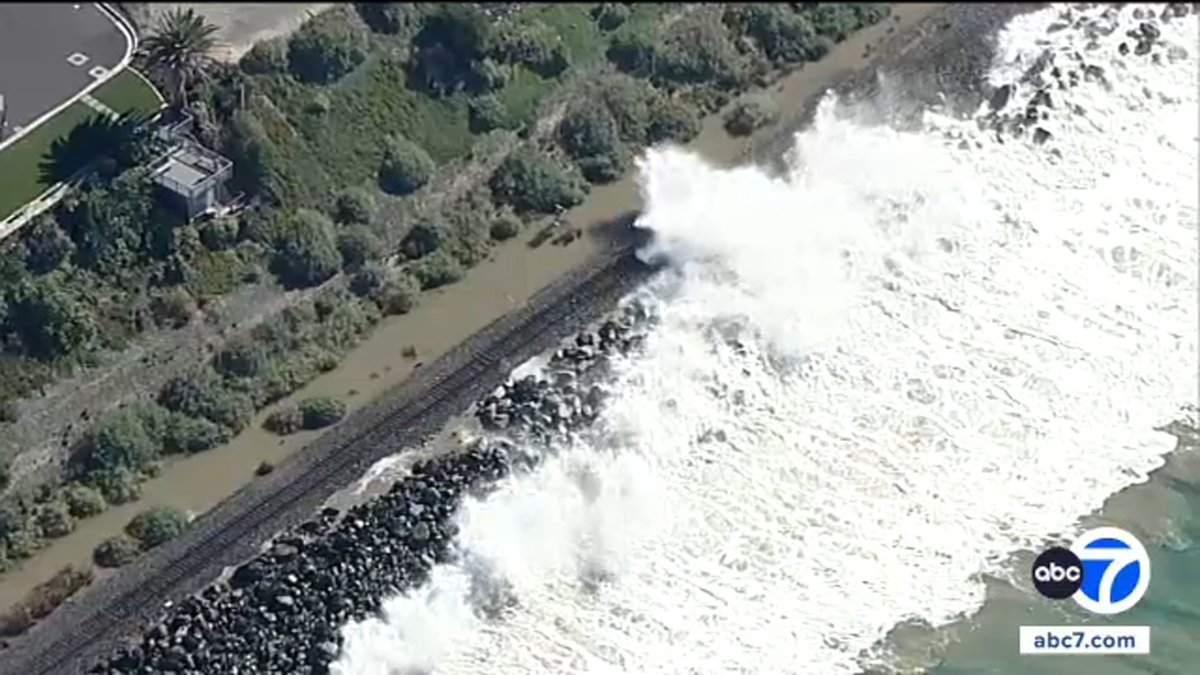
King Tides, High Surf Shut Down Pacific Surfliner Service in SoCal
Amtrak canceled Pacific Surfliner service between Irvine and Oceanside on Thursday, November 26, 2026, citing track washout from...