Historic Firsts Reshape Statehouses and Congress in 2026 Midterms
American politics shifted on Tuesday night as voters elected a slate of candidates who broke longstanding demographic barriers across statehouses and Capitol Hill. WRAL reported that the midterms brought a wave of historic leadership firsts, driven by an increasingly diverse field of candidates from both major political parties.
Voters across the country chose the first Black female governor, the first Native American female governor, the first Native woman senator, and the first openly gay male U.S. senator. While many candidates focused on their policy platforms rather than their personal milestones, civil rights advocates pointed to the results as a sign of a changing electorate.
“These firsts show how our country is changing,” Alexis Anderson-Reed, president and CEO of State Voices, said via email. “For years, people of color and LGBTQ+ communities have organized, knocked on doors, talked to voters, held conversations, and done the hard work of saving our democracy. These wins are because of them.”
Deb Haaland Wins Historic Gubernatorial Election
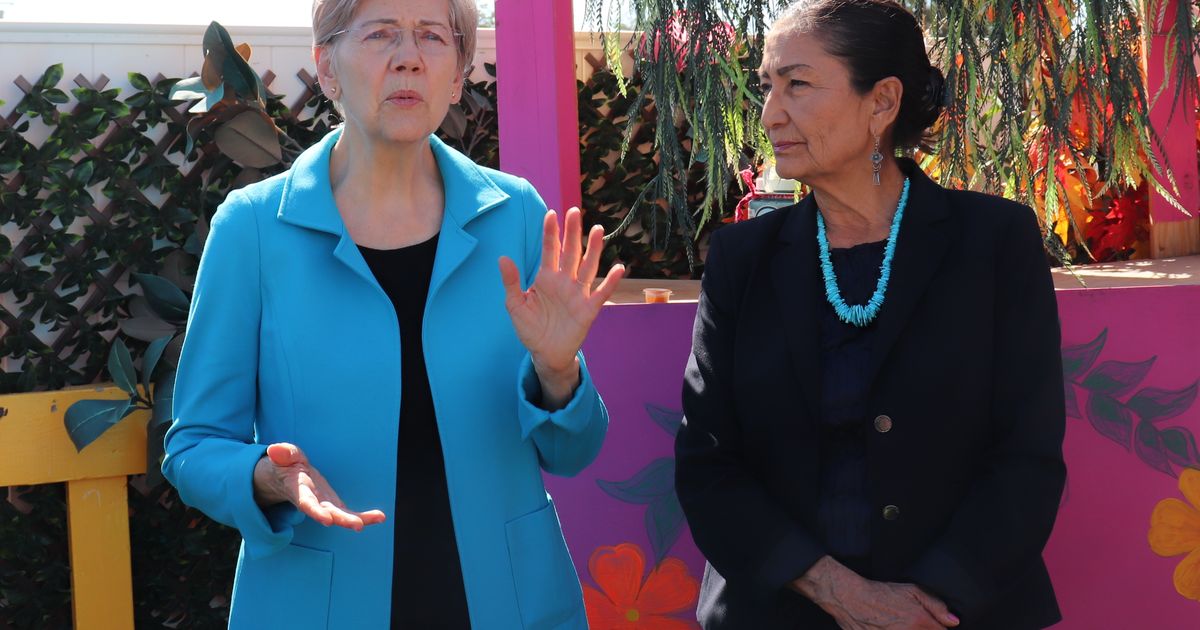
In New Mexico, Democrat Deb Haaland secured a historic victory by defeating Republican Gregg Hull to become the first Native American female governor in U.S. history. A citizen of the Laguna Pueblo, Haaland previously broke barriers in 2018 as one of the first two Native American women elected to Congress before serving as President Joe Biden’s Interior Secretary.
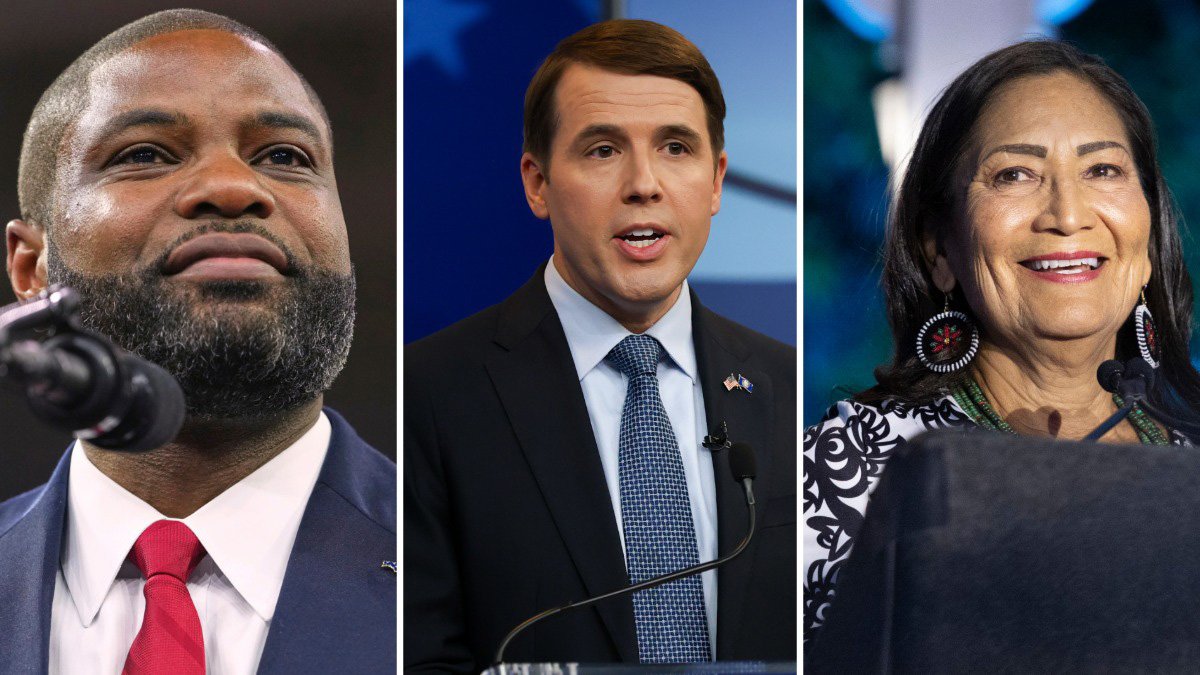
“Tonight, in our nation’s 250th year, I stand before you as the first Native American woman elected governor in U.S. history,” Haaland told supporters. Oklahoma remains the only other state to have elected a tribal citizen as governor, a milestone reached by Democrat Johnston Murray in the 1950s and current Republican Governor Kevin Stitt.
Meanwhile, Minnesota Lieutenant Governor Peggy Flanagan became the first Native American female U.S. senator, helping Democrats reclaim ground in the upper chamber. A citizen of the White Earth Band of Ojibwe, Flanagan defeated Republican Michele Tafoya. In Alaska, votes are still being tabulated in the race between incumbent Republican Senator Dan Sullivan and Democratic challenger Mary Peltola, who could become the first Alaska Native U.S. senator following her trailblazing election to the House in 2022.
Breaking the 250-Year Barrier in Georgia
Democrat Keisha Lance Bottoms won the Georgia gubernatorial race against Republican Rick Jackson, ending 250 years of U.S. history without a Black woman serving as a state governor. Bottoms, a former Atlanta mayor, will also become Georgia’s first governor of color, succeeding a lineage where all 83 previous governors were white men.
“Tonight should remind us all that no matter what community we come from, Georgia is not defined by one moment in time or by one person,” Bottoms said. Stacey Abrams previously came close to the office, securing the Democratic nomination in 2018 and 2022.
Other gubernatorial races also altered the national map.
Senate Milestones in Michigan and New Hampshire
Federal legislative bodies also saw unprecedented representation. In New Hampshire, Democratic Representative Chris Pappas won his Senate race against former Republican Senator John E. Sununu, becoming the country’s first openly gay male senator. Pappas noted during his campaign that he did not run specifically to make history, expressing satisfaction that his sexual orientation was not a central focus for voters.
Related reading

New México writers connect culture and history through literature
Roots in Oral Tradition and Landmark Texts New Mexico’s literary history stretches back generations through oral traditions, and...

Long, Hammerseng, Lincoln and Bailey Elected to Robbinsdale School Board
Caroline Long, Kath Hammerseng, Anthony Lincoln, and Madalyn Bailey secured the top four seats on the Robbinsdale Area...

Nevada election results delayed as long lines persist at polls
Nevada Polls Close as Late-Day Lines Hold Up Tabulation Across Counties Voters remained lined up at polling locations...
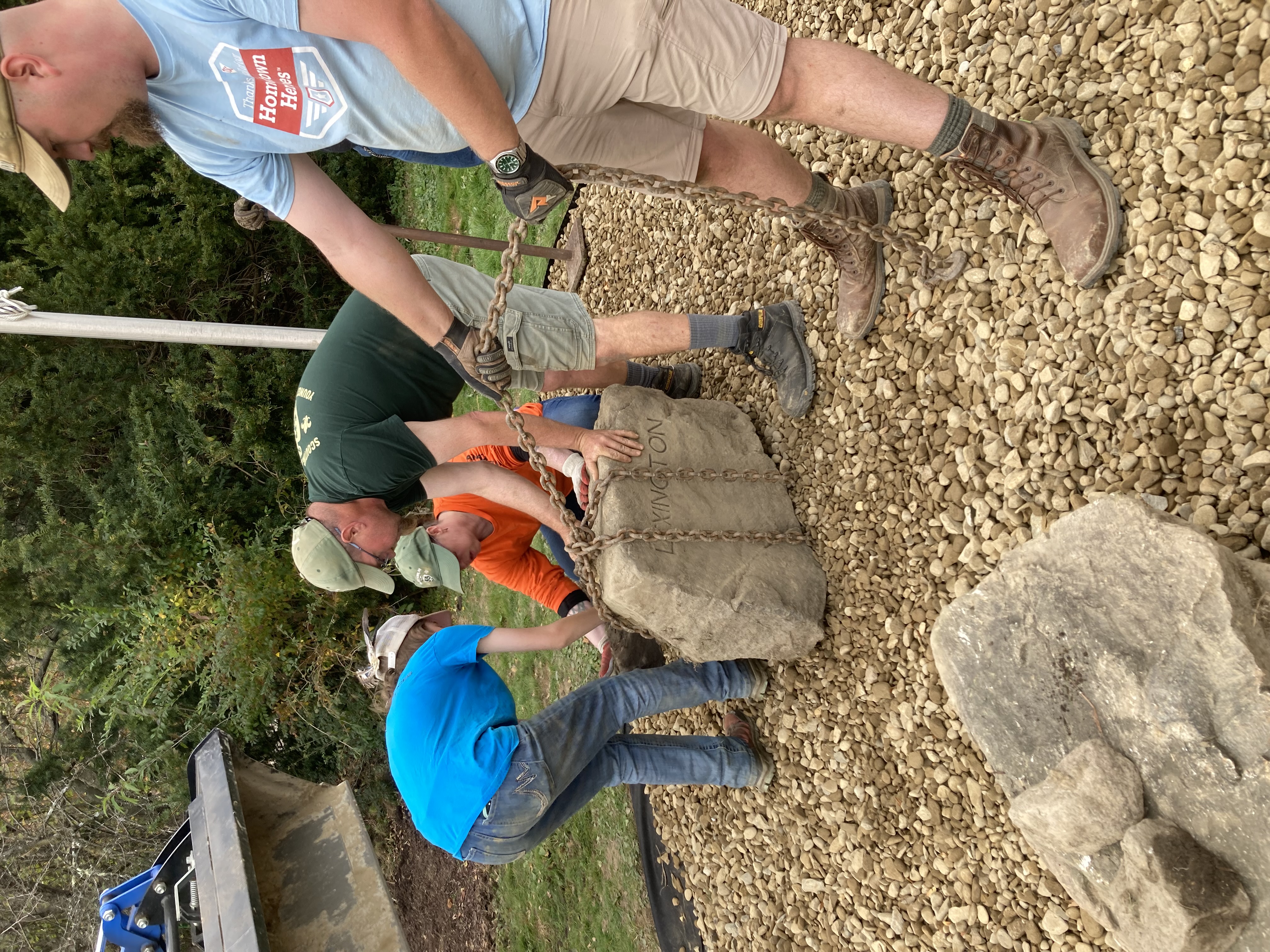
Volunteers Restore Historic Road of Remembrance Memorial in Boardman
Thirty-Nine Stones From Lexington and Concord Thirty-nine rocks, hand-picked in 1931 from within 500 feet of Revolutionary War...