A systematic review of 43 quantitative studies involving more than 28,000 participants has found that higher levels of mindfulness are associated with healthier social media use and better mental health outcomes, according to research led by University College London and published in PLOS One.
Researchers assessed studies with participants aged 10 to 92, with university students making up the largest group at 46.5%, News-Medical reported. Thirty-nine of the 43 studies supported the idea that mindfulness may help protect against negative mental health impacts linked to social media use, including lower levels of depression, anxiety, stress, loneliness and fear of missing out (FoMO).
“Our findings support a move away from reductive questions about whether social media is inherently good or bad, towards an exploration of how complex interactions between individuals, technologies, and the broader social contexts in which they are embedded shape both the potential benefits and harms of social media for mental health,” said corresponding author Dr Marc S Tibber of UCL Division of Psychology and Language Sciences.
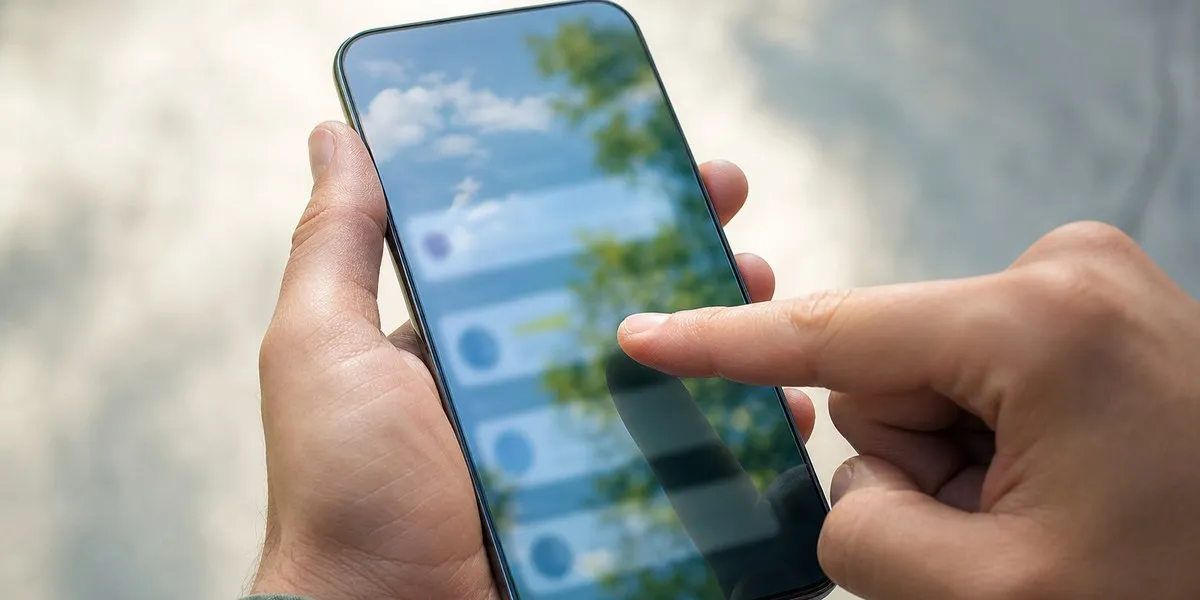
The review found that mindfulness — defined as paying attention to thoughts, feelings and present-moment experiences in a non-judgmental way — appeared to buffer or weaken links between online experiences and poorer mental health. Higher mindfulness was also associated with lower problematic social media usage.
In one study reviewed, participants completed mindfulness exercises, self-monitored smartphone usage and tracked their mood, which found significant beneficial impacts on stress, anxiety, FoMO and problematic social media use. A separate trial asked volunteers to limit their social media activity for eight days; this boosted mindful attention but also heightened negative emotions compared with a group that faced no limits.
Medical Xpress said that between 2016 and 2026, the number of social media users jumped from 2.46 billion to 5.79 billion, with the average user spending 2.3 hours per day on social media and messaging apps. The heaviest users are teens and young adults, driving concern about potential effects on mental health.
UA.News reported that the researchers emphasized most analyzed studies were cross-sectional — 33 of 43 — meaning they do not establish a cause-and-effect relationship between mindfulness and better outcomes. Five studies were longitudinal and five were experimental. The authors also noted a paucity of research in non-WEIRD samples and a bias toward younger populations.
“Our findings are consistent with my observations as a clinician as well as wider research and suggest that mindfulness may help people develop a healthier relationship with social media,” Dr Tibber said. “By supporting people to notice their thoughts, feelings and urges before they act on them, mindfulness can help people make more conscious choices about their online behaviour.”
The PLOS One abstract underscores the necessity for longitudinal and experimental work to disentangle the underlying directions of causality and to assess the clinical value of mindfulness as a modifiable trait.
Worth a look
- Amazon Beats Apple With Deeper Discounts on AirPods Pro 3 and More
- New Cave Findings Suggest Humans Lived in Ireland 1,000 Years Earlier Than Confirmed
- PM Modi Reflects on Constitution Day and the Government’s Commitment to Social and Economic Justice (world-today-news.com)
- 3.6% for Social Security, 2.6% for FERS, and a Bill Still Pending for VA (daybreakwire.com)
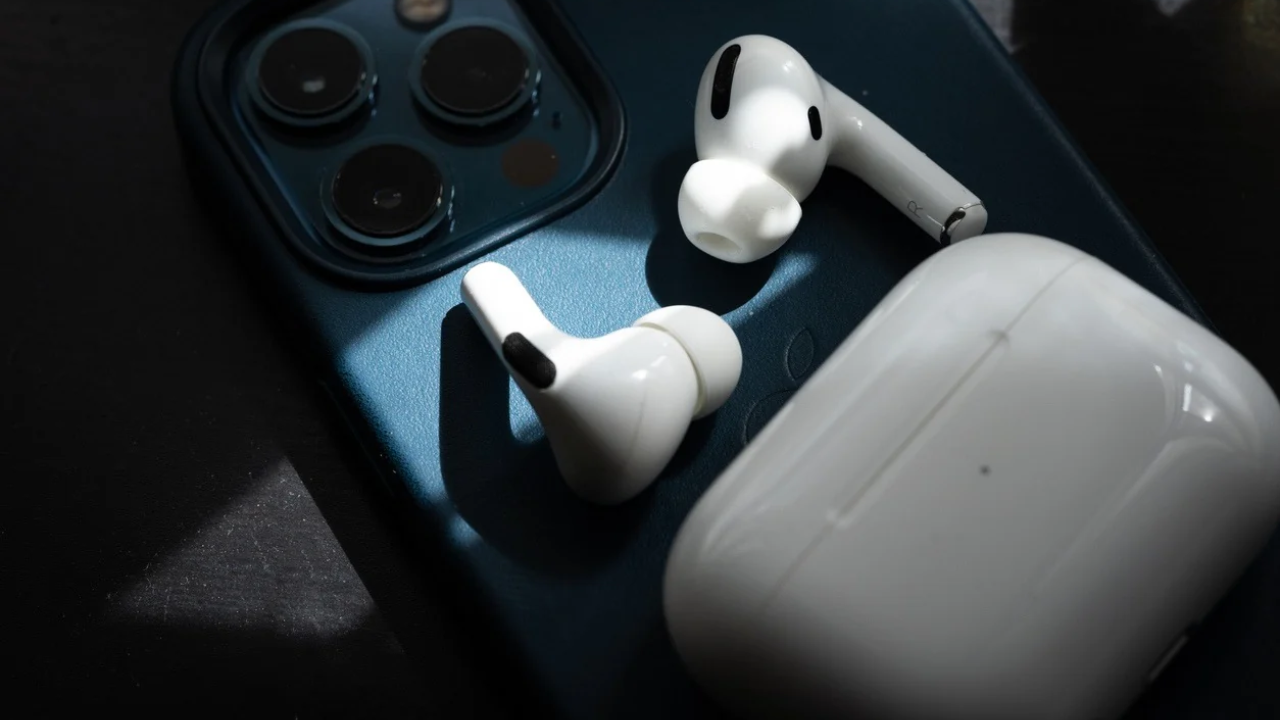
Amazon Beats Apple With Deeper Discounts on AirPods Pro 3 and More
Black Friday discounts arrived early and deeper than Apple's gift-card event, with retailers cutting prices on AirPods Pro...

New Cave Findings Suggest Humans Lived in Ireland 1,000 Years Earlier Than Confirmed
New findings from a Waterford cave suggest humans may have lived in Ireland roughly 13,500 years ago, nearly...

PIK3CA Mutations Rewire Endothelial Identity to Drive Vascular Malformations, Study Finds
A study published Wednesday in Nature shows that PIK3CA mutations drive vascular malformations by rewiring endothelial cell identity,...

DOLE-8 Convenes Power Industry Council to Boost Workforce, Safety in Eastern Visayas
“As we prepare for the possible impacts of Super El Niño, strengthening our tripartite partnership is more important...