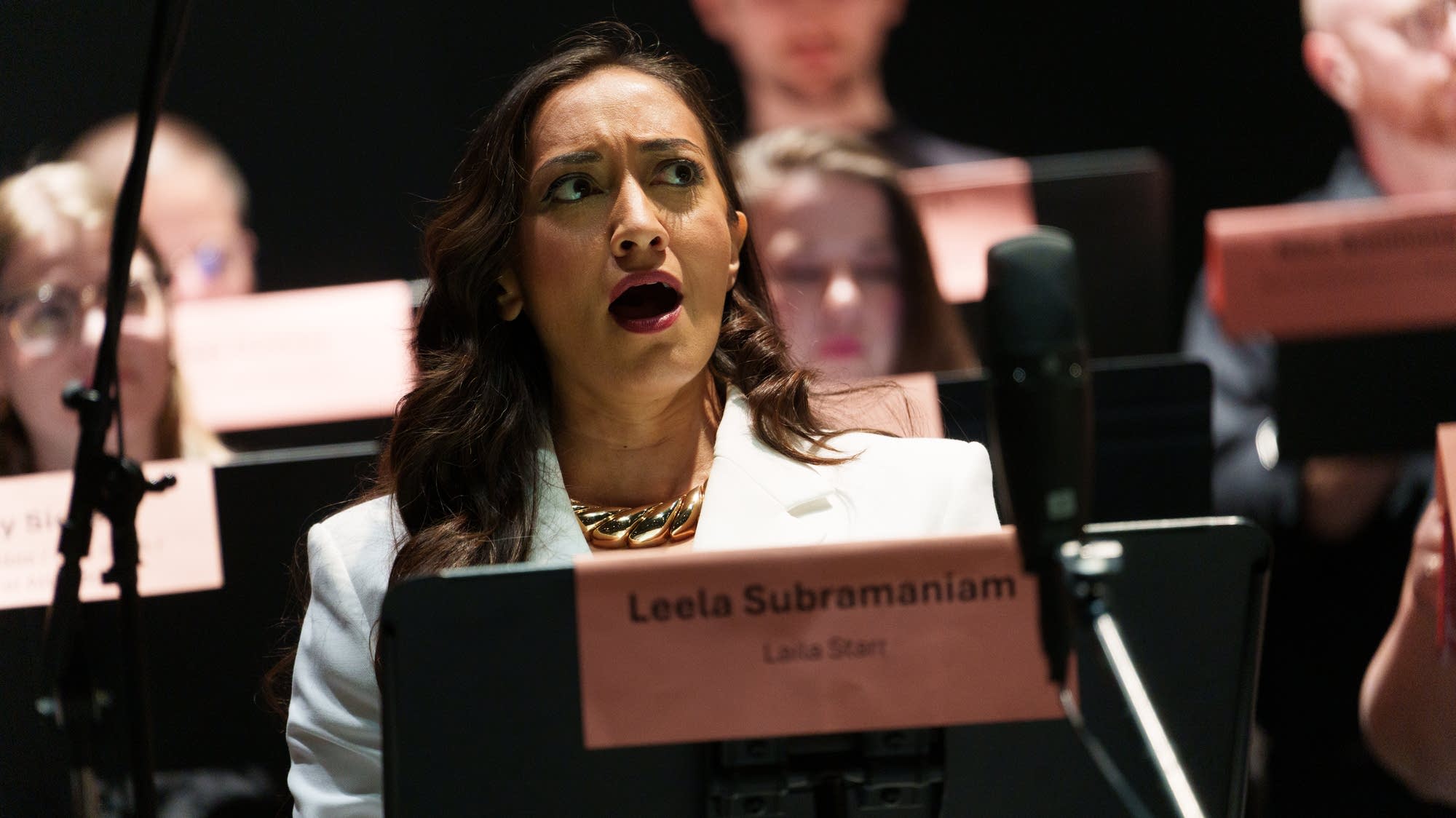
Halloween night was supposed to mark a major milestone for the Minnesota Opera with the world premiere of The Many Deaths of Laila Starr. Instead, audiences will have to wait until late 2027 or early 2028 after the organization announced this week that it is postponing the production entirely.
The sudden halt comes after five months of contentious negotiations between leadership and the Minnesota Opera Orchestra over cost-of-living wage increases, culminating in a strike authorization vote earlier this month.
Contract Deadlocks and a Rejected Compromise
The friction centers on a stark disagreement over compensation and the structural role of the musicians. Ryan Taylor, the opera’s president and general director, pointed to a failed eleventh-hour effort to save the opening. Management proposed a temporary no-strike, no-lockout agreement that would have guaranteed retroactive pay increases once a final contract was reached, allowing the production to launch uninterrupted.
“There would be no loss for the orchestra and no loss for the 214 or so other artists working on the show, and we would get to present a world premiere without interruption while we continued to negotiate on that contract,” Taylor said, adding that the musicians ultimately declined the offer.
Cellist Rebecca Arons, who chairs the orchestra’s negotiating committee, countered that the temporary pact offered zero reassurance because management has continually refused to budge on base wage increases during formal talks. She characterized the proposal as disingenuous.
It is rather disingenuous. You are saying that you can provide increases and you are offering exactly zero at the negotiating table — to then demand an agreement such as that is not anything that any one would think was reasonable.
The conflict escalated weeks ago when management proposed a second consecutive four-year contract containing no wage increases whatsoever. For the musicians, the stakes extend well beyond a single payday.
Preserving an Artistic Institution
At the heart of the dispute is how management views the ensemble. Arons explained that musicians are increasingly treated as per-service contractors rather than foundational pillars of a 63-year-old community arts institution. That shift, she noted, has steadily eroded years of built-up trust and shared artistic vision.
Management maintains that the cancellation was a matter of basic operational reliability. Taylor noted that leadership simply could not risk a scenario where critical performers walked out on opening night after patrons had already taken their seats.
“We’re not at a place where I feel like we are within striking distance of an agreement just yet,” Taylor said. “We really couldn’t imagine getting to a place where we were standing on opening night, and critical members of our team decided they couldn’t perform.”
What Comes Next for Ticketholders and Performers
While the premiere is indefinitely shelved, financial adjustments are underway. The opera confirmed that all artists, including the orchestra members, will be paid for this season’s production exactly as originally contracted. Ticketholders face three options: transfer their tickets to performances later this season, hold them for the rescheduled run next year, or request a full refund.
The production originally was set to run from October 31 through November 8, featuring a cast that included Leela Subramaniam, Omar Najmi, Efraín Solís, Mariam Mouawad, Ashraf Sewailam, and Emily Finke. The company’s calendar moves immediately to its next scheduled production, My Name is Florence, slated for January 8 and 9.
Meanwhile, the orchestra is taking its message directly to the public. The ensemble scheduled a free concert for Sunday evening at the University of Minnesota’s Ted Mann Concert Hall in Minneapolis, featuring a program of favorite opera arias designed to connect with supporters and highlight the human cost of the ongoing labor standoff.
Worth a look

Dolly Parton video screened at SEUS-Japan meeting in Nashville
A Posthumous Welcome at the JW Marriott A video recorded by Dolly Parton just days before her death...

Augustana vs. USF Volleyball Play-by-Play Highlights
Augustana and Sioux Falls battled through a fiercely contested volleyball showdown featuring tight scoring sequences, key substitutions, and...

Evangel University leads Columbia College 46-28 in second half
The Second-Half Momentum Shift As the clock ticked down to the 20-minute mark, the game's rhythm accelerated through...

AG Neronha: Seven Indicted in $2 Million Medicaid Fraud Scheme
Rhode Island Indicts Seven in Alleged $2 Million Medicaid Fraud Featuring AI Seven people connected to a Providence...