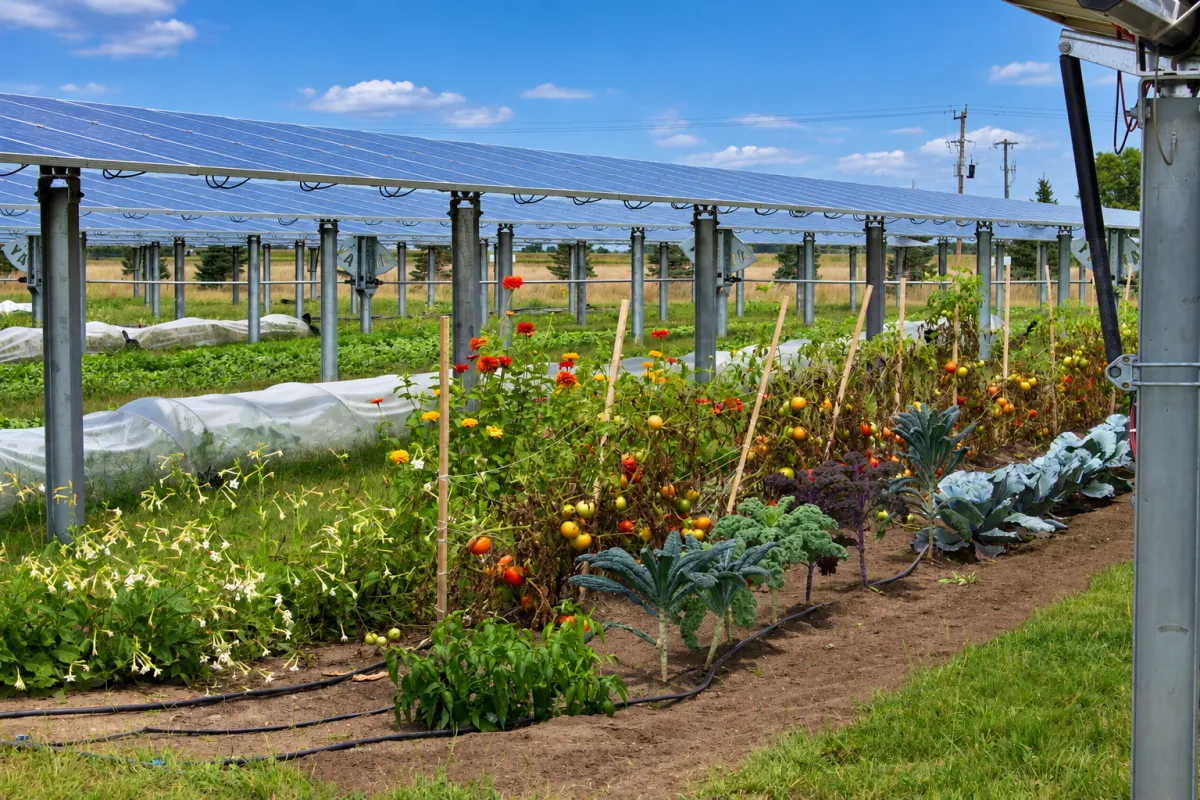
At Xcel Energy’s Sherco solar installation near Becker, 2,200 sheep and lambs “mow” the native prairie grasses under and around 1.7 million silicon panels across 4,700 acres, Minnesota’s largest panel farm, where solar power production and crops or pasture share the same plots.
The approach is expanding as the state races toward a 2040 deadline to decarbonize its electric grid. Early results from projects near Big Lake, Morris and Olivia suggest the model can address rural concerns that solar development displaces productive farmland.
With renewable energy, you can get a check separate from that.”
Researchers from the University of Minnesota, funded by the National Laboratory of the Rockies, are nearing the end of a two-year study on crop performance.
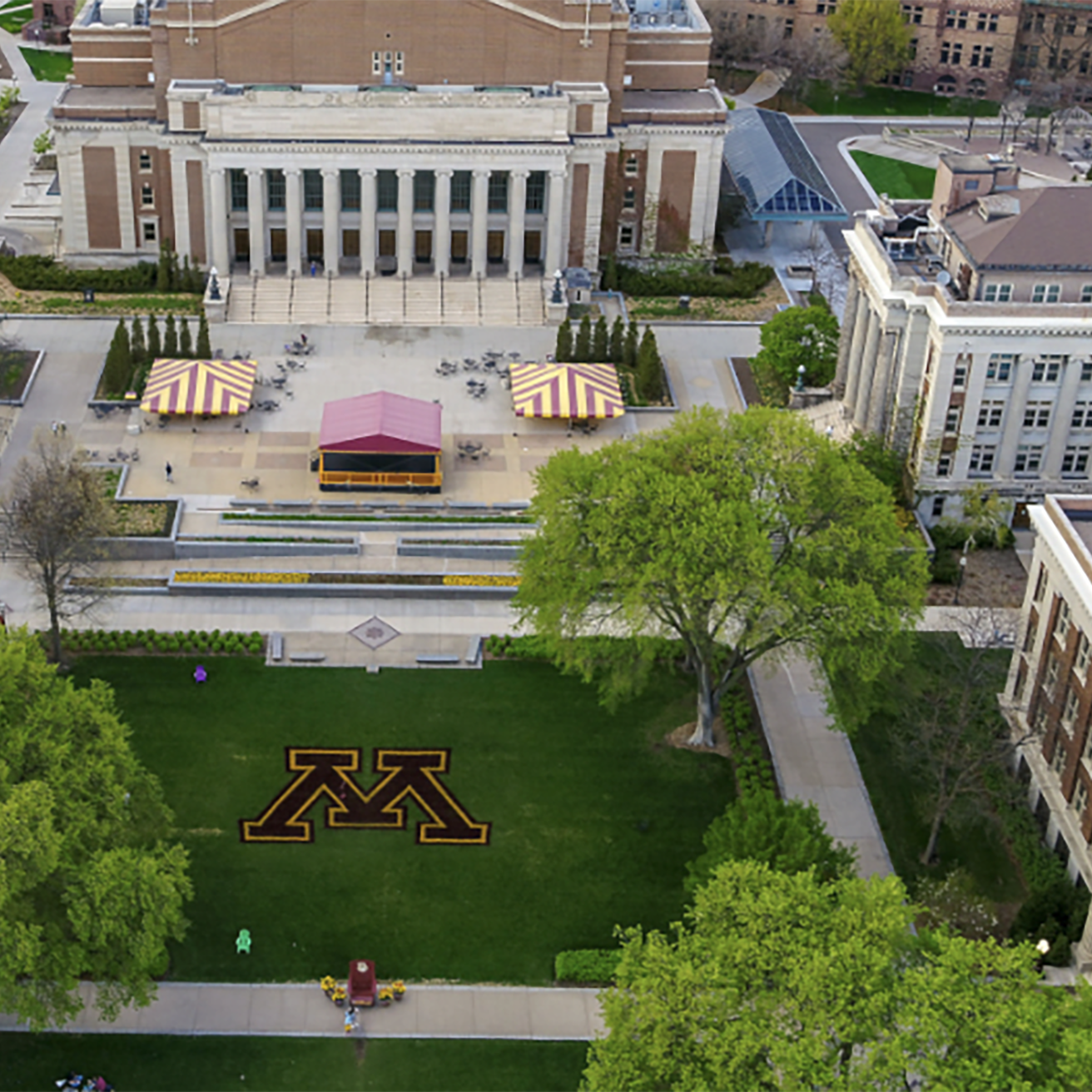
Eylands’s team is also testing harvests for heavy metals like cadmium to counter claims that solar panels leach toxins into soil. “This is great for anyone who wants to dispel these myths.”
About 100 miles west, at the West Central Research and Outreach Center near Morris, cattle have grazed under solar arrays for nearly a decade. Internal thermometers show cows under panels run half a degree Fahrenheit cooler than those in open pasture during afternoon heat, said dairy professor Brad Heins.
It can make a big difference in an animal,” Heins said. Pedometer data showed shaded cattle moving less and drinking more water.
Researchers built a mobile, solar-powered shade station that can follow 25 cows, with plans to scale it to 40. “This is a proof of concept,” Heins said. “We will see where it goes in the future.”
Both Heins and Schmitt say the risk of livestock damaging panels is overblown.
Cattle require panels mounted higher than standard — each additional foot of height requires foundations one foot deeper, raising costs. Aaron Hanson, an energy program specialist with the University of Minnesota, said sheep are often seen as ideal solar companions due to their lower mass and docility.
But consumer demand for beef and dairy far exceeds lamb, suggesting more room for cattle agrivoltaics to grow. Hanson suspects a co-located cattle-solar operation could offset its development premium over a 25-year contract.
Experts are less certain about agrivoltaics for corn and soybeans, the state’s top annual crops, covering 16 million acres.
Are the farmers going to increase their yield?”
The energy math complicates the case.
That would expand the state’s summertime electric generating capacity by nearly 50%.

Florence Man Sentenced to 40 Years, 10 Suspended, for Road-Rage Shooting Near Reservoir
A Florence man was sentenced to prison for a road-rage shooting near the Ross Barnett Reservoir, the Madison...

Columbus Crew Hiring Part-Time Stadium Operations Assistants Across Three Facilities
The Columbus Crew is recruiting part-time stadium operations assistants to work across its three facilities: ScottsMiracle-Gro Field, Historic...

Olivia Rodrigo Opens Unraveled Tour Nashville Stop With Spring Set, Debuts Christmas B-Side
Olivia Rodrigo emerged from a wall of flowers to open her Unraveled Tour stop at Bridgestone Arena on...

Oregon Ducks Fan Calls Seattle Worst Metro City Lived in, Cites Isolation, Traffic, Tax
An Oregon Ducks fan writing for Addicted To Quack argues that Seattle is the worst metropolitan city he...