
Minnesota will keep hemp-derived THC products on store shelves after a federal ban takes effect Dec. 11, the state’s top cannabis regulator said Monday, even as businesses brace for banking lockouts and a collapse in interstate commerce.
The decision rests on Minnesota’s 2022 law, which created its own statutory definition and licensing system for intoxicating hemp products. That framework insulates in-state sales from the new federal standard, which reclassifies any product with more than 0.4 milligrams of THC per container as marijuana, according to Eric Taubel, executive director of the Office of Cannabis Management, Marijuana Moment reported.
“Every business is going to make a series of calculations about what risk they’re willing to tolerate,” Taubel said.

The looming federal rule, passed by Congress in November 2025, is far stricter than the 2018 Farm Bill limit of 0.3 percent delta-9 THC by weight. It would also capture non-intoxicating items such as CBD topicals with trace THC. Taubel said his office has received no federal guidance on enforcement and is building a “smart, well‑regulated system” regardless of Washington’s next move.
Federal legislation stalls in lame‑duck session
Sen. Amy Klobuchar, D‑Minn., and Sen. Tim Sheehy, R‑Mont., introduced the Hemp Guardrails Act on Nov. 17. The bill would raise the hemp threshold to 1 percent total THC by weight, give the Food and Drug Administration regulatory authority, ban sales to anyone under 21, set packaging standards, prohibit synthetic cannabinoids and let states impose stricter rules, the Minnesota Express reported.
Klobuchar called the measure a way to “keep safe hemp products on store shelves, protect consumers from dangerous products, and ensure that farmers and small businesses can continue to operate, grow and create jobs.” Outgoing Sen. Tina Smith, D‑Minn., also supports reversing the ban, citing a conversation with a Minnesota brewer who said the rule would hurt brewers if not delayed or reversed.
A federal ban on most hemp-derived THC products is set to take effect Dec. 11, putting brewery lines in Minnesota, Illinois and Wisconsin at risk. https://t.co/ry2fvTVMBo pic.twitter.com/nuEc33dMnd
“I was just at an event with Utepils where the owner and I agreed that this federal ban is misguided and will hurt our brewers if it isn’t delayed, or better yet, reversed altogether,” Smith said.
Two Republican senators have vowed to block any bill that “extends, delays or builds a regulatory framework” around hemp products while they retain a lame‑duck majority. With no deal likely before the new Congress is sworn in, the law could be revisited in 2027 under Democratic majorities and a White House that has signaled support for regulation, Marijuana Moment reported.
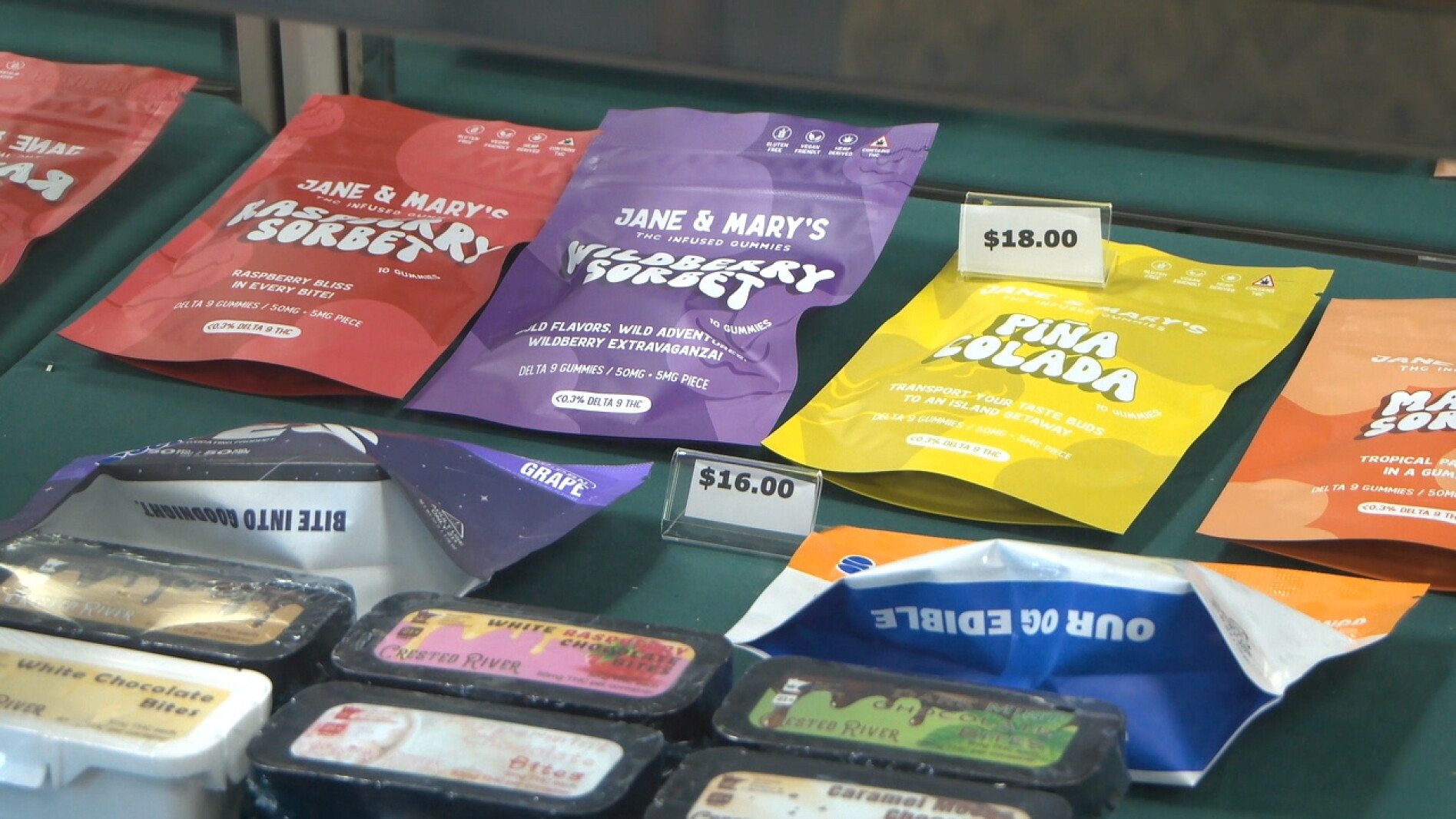
Hemp sales face banking bans
Because cannabis remains a Schedule I controlled substance, companies that sell intoxicating hemp products will lose access to federally chartered banking and standard tax deductions if the federal rule takes effect.
Taubel said retailers may adopt “store‑within‑a‑store” models — similar to Trader Joe’s liquor outlets — or install cash‑only ATMs like those used in licensed cannabis dispensaries. Breweries might keep selling THC drinks but stop producing them on‑site.
The Duluth News Tribune reported that Minnesota has recorded about $250 million in hemp sales and $45.6 million in state tax revenue since September 2025. But distributors are already retreating. Bellboy Corporation general manager Keith Donovan said hemp sales fell roughly 75 percent between September and October, and the wholesaler plans to spin off its hemp operations into a separate company.
“We had a bunch of returns from our distributors in Wisconsin and Illinois that came back because they’re just pulling out of the business,” said Eric Redlinger, founder of Maple Grove‑based Minneleaf, speaking to the Duluth News Tribune.
“Because they don’t want to be stuck with a bunch of product,” he said.

Ryan Kopperud, vice president of growth at Duluth’s Wild State Cider, said every tier of the three‑tier alcohol distribution system is drafting contingency plans for a Minnesota‑only market. The company is installing ATMs in taprooms and seeking new distributors to keep products moving. Kopperud said he has a “substantial amount of hope” that lawmakers could take action before December 11.
Beecher Vaillancourt, co‑owner of Minneapolis brands Foundry Nation and BLNCD Naturals, told Marijuana Moment that distributor orders have plummeted but online sales have spiked. His firms held warehouse sales to clear inventory and are pursuing adult‑use cannabis licenses to expand into the recreational marijuana market.
“Consumers don’t draw a very hard and neat line between cannabis and hemp products,” he said.
Minnesota’s Office of Cannabis Management on March 27, 2026, stated it “will continue to implement chapter 342 as charged” despite a federal ban on hemp products with more than 0.4 milligrams of THC per package taking effect Dec. 11, 2026. The agency’s executive director, Eric Taubel, said Monday his office has received no federal enforcement guidance and is building a “smart, well‑regulated system” regardless of Washington’s next move, Marijuana Moment reported.
In a Sept. 22, 2026, compliance bulletin, the Office of Cannabis Management affirmed that “Minnesota’s definitions of LPHE licenses and product types will not change after the federal definition changes on Nov. 12, 2026,” acknowledging many state-compliant packages will become federally noncompliant. The agency strongly recommended businesses consult a lawyer to prepare for the pending prohibition’s impact on operations.
“We’re hedging our bets, optimistically,” Vaillancourt said.
Worth a look
Nearly 900 Nativities From 100 Countries Open Friday at Free Topeka Event
Nearly 900 nativity scenes from about 100 countries will open Friday at the Topeka Stake Center for the...
South Carolina at Crossroads After Clemson Loss: Sellers Future, Staff Uncertainty for Beamer
South Carolina lost 21-17 to Clemson on Saturday when Trent Pearman threw a 1-yard touchdown pass to Bryant...

Texas Defense Lawyer Publishes Harris County Case Summary
Texas Defense Lawyer, a platform that aggregates public court records and attorney directories, publishes a summary page for...

Wisconsin Democrats With Trifecta Consider Pro-Voting Changes, Says Neubauer
Wisconsin will have its first Democratic trifecta in 16 years when Gov.-elect David Crowley takes office in January,...