
Minor-Brown Holds on to Speaker Gavel as Delaware Democrats Face New Progressive Energy
Delaware House Speaker Melissa Minor-Brown (D-New Castle) has secured her position at the helm of the chamber for the next two years, fending off a significant challenge from within her own ranks. The Newark Post reported that Minor-Brown retained her leadership role following a closed-door caucus vote, defeating a challenge from Working Families Party-backed Rep. Madinah Wilson-Anton (D-Bear). The vote, which took place ahead of the 154th General Assembly, served as the first major test of the party’s internal dynamics following last week’s election that brought a larger group of progressive candidates to the statehouse.
As WHYY News noted, the final tally was close, with the current leadership team winning by just two votes in a nearly evenly divided caucus. “The caucus clearly had a divided stance on who should lead our caucus and chamber and I think that creates a difficult road ahead for any leader to navigate,” Wilson-Anton said in a text message to the outlet.
A Leadership Team Forges Ahead
Despite the challenge, Minor-Brown’s leadership team will largely remain intact. She will be formally re-elected Speaker by the full House, a considered a formality given her caucus’s support. Rep. Kerri Evelyn-Harris (D-Dover) retains her role as House Majority Leader, and Rep. Cyndie Romer (D-Newark) steps into the position of House Majority Whip, replacing the retiring Rep. Ed Osienski (D-Newark).
The role of Majority Whip is crucial, tasked with surveying caucus members on legislation and securing their support for the party’s position. Romer, who was unopposed for her third term representing District 25, including southern Newark and part of Glasgow, spoke of the challenges ahead. “The past few years have been incredibly difficult for Delawareans across the board,” she said, “and while we have had many successes, we have a long road ahead of us to make Delaware a safe and thriving place for all.”
Progressives Challenge the Leadership
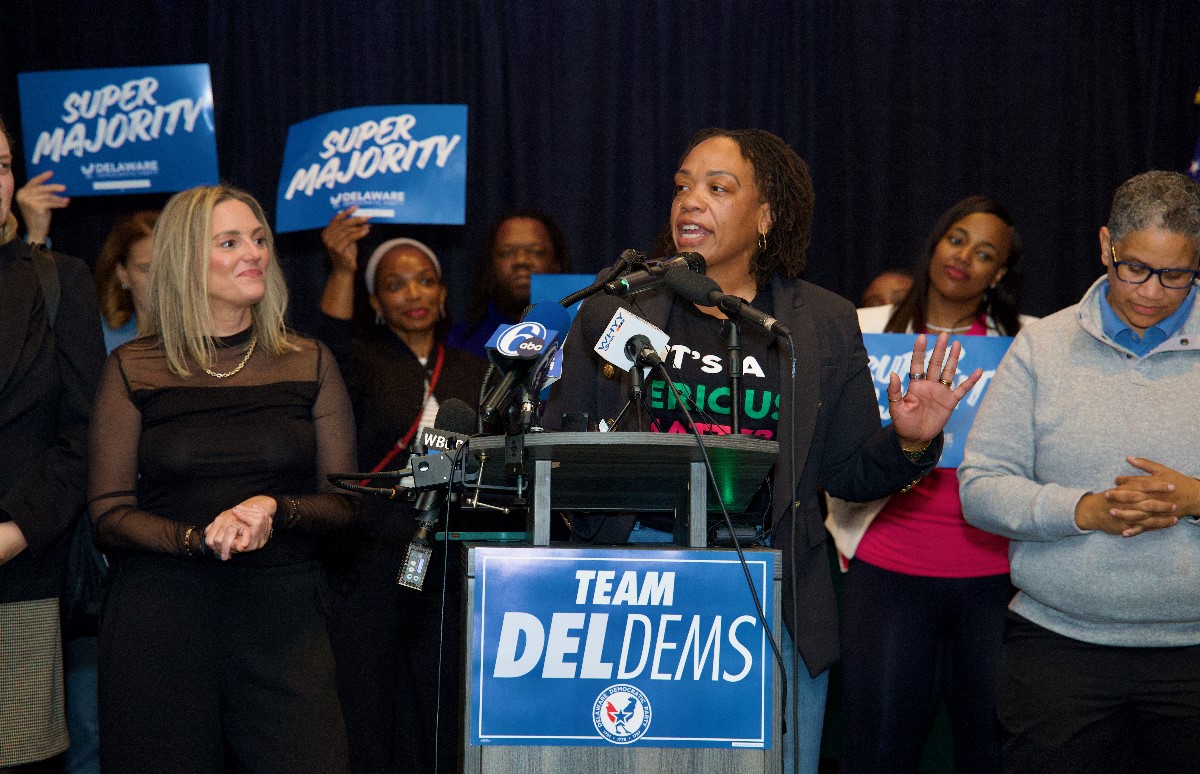
The challenge from Wilson-Anton, one of the legislature’s most outspoken progressives and a frequent critic of Minor-Brown, was a clear sign of the growing influence of the left wing of the Democratic caucus. Spotlight Delaware reported that Wilson-Anton put forward a competing slate of candidates that included Rep. Kim Williams (D-Stanton) as House Majority Leader—a move that shocked many in Democratic circles. Williams, a co-chair of the powerful Joint Finance Committee with over a decade of experience, brought significant weight to the opposing ticket.
WHYY News reported that some current House progressives are frustrated with bills being killed and broken promises, which they attribute to the speaker’s control over what legislation reaches the floor. “Some current House progressives say the challenge to leadership rose from frustrations about bills being killed and broken promises,” WHYY noted. “The speaker controls what legislation goes to the floor and makes committee assignments.”
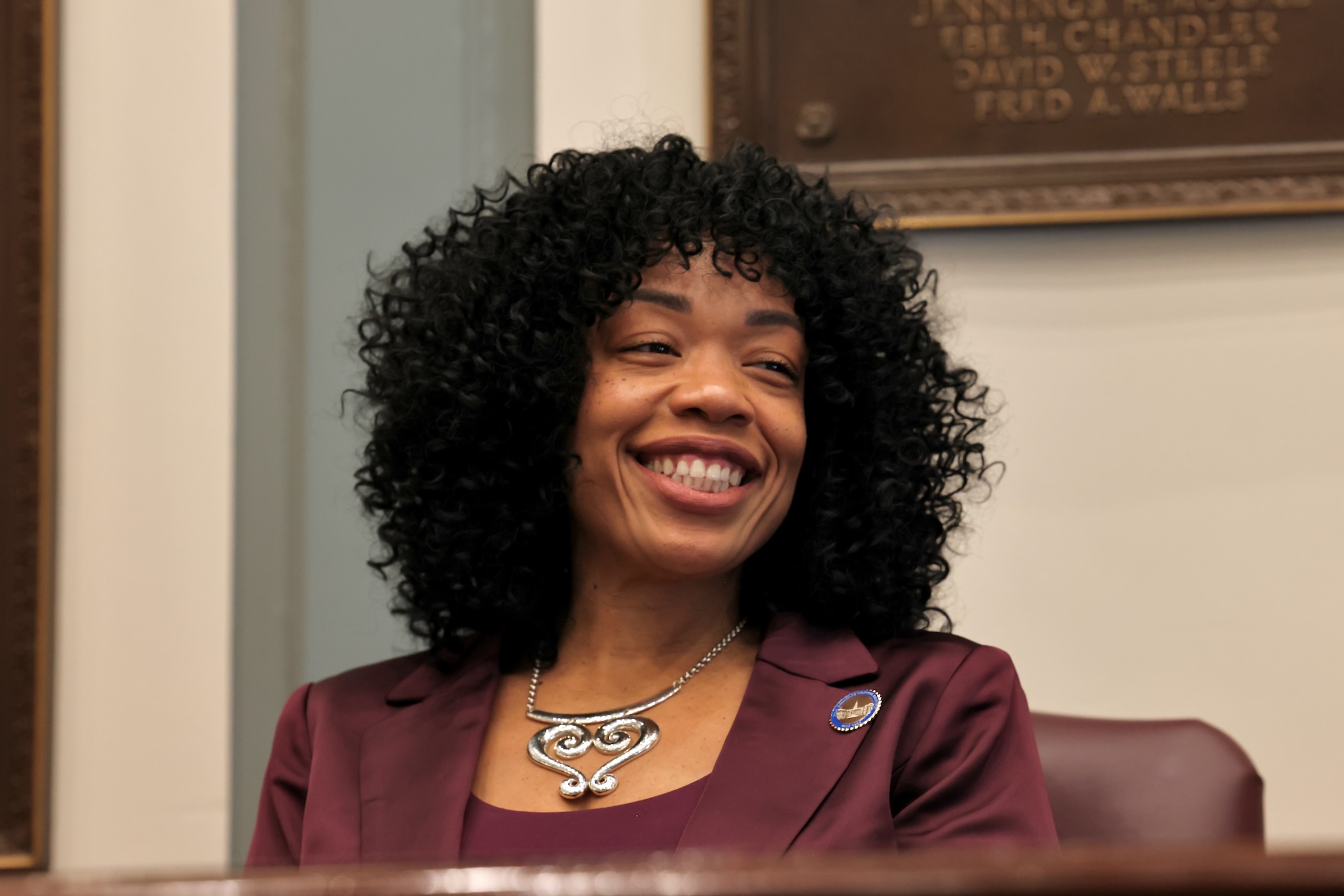
In a phone call, Minor-Brown disputed the notion of a deep ideological split. “I hope we can get to a point where we all can place ourselves under that Democratic umbrella,” she said. “If we are all Democrats, then we should be able to collaborate and move forward with healthy disagreement.”
The Real Power of the Speaker’s Gavel
The Speaker of the Delaware House is arguably the most powerful position in the chamber, as Spotlight Delaware explained. The speaker decides which bills are brought to the floor for a vote, a power that directly shapes the state’s legislative agenda. The speaker, along with other leadership members, controls all committee assignments, including who serves on the influential Joint Finance Committee (JFC) and Joint Capital Improvement Committee. These assignments determine which legislators have the power to shape the state’s budget and capital projects.
This power dynamic is particularly important as the 154th General Assembly begins. With a host of Republican retirements and 11 new faces from both parties heading to Legislative Hall, committee assignments were already poised for significant change. The leadership vote ensures that Minor-Brown will continue to wield this immense power, at least for the next two years.
“We should be able to shake hands and move forward because at the end of the day, we’re not here for that, right? We’re here to serve our districts.”
Despite the heated contest, Minor-Brown insisted there was no animosity. “There was ‘no beef’ with Wilson-Anton or Williams and that she welcomed the ‘healthy competition,’” she told The Newark Post. This sentiment was echoed by incoming freshman Rep.-elect Rae Krantz, a Working Families Party member, who told WHYY she was looking for leaders who “would allow everyone’s voice to be heard.”
What’s Next for Delaware’s Legislature
As House Speaker Melissa Minor-Brown solidifies her leadership, all eyes now turn to the State Senate. Senate President Pro Tempore David Sokola, a Newark-area representative who has served in the legislature since 1990, retired this year. State Majority Leader Bryan Townsend, who also represents a portion of Newark, is widely seen as the frontrunner to lead the chamber when the Senate meets to elect new leadership later this month.
Related reading

Oklahoma Republicans Win All Seats but Lose Congressional Influence
Oklahoma's Congressional Influence Diminishes as Democrats Gain Control Oklahoma Republicans won every congressional seat on Tuesday, but a...

Sports Illustrated: Scoot Henderson trade rumors swirl amid struggles
Scoot Henderson's Struggles Put Portland's Title Hopes at a Crossroads The Portland Trail Blazers are the best team...
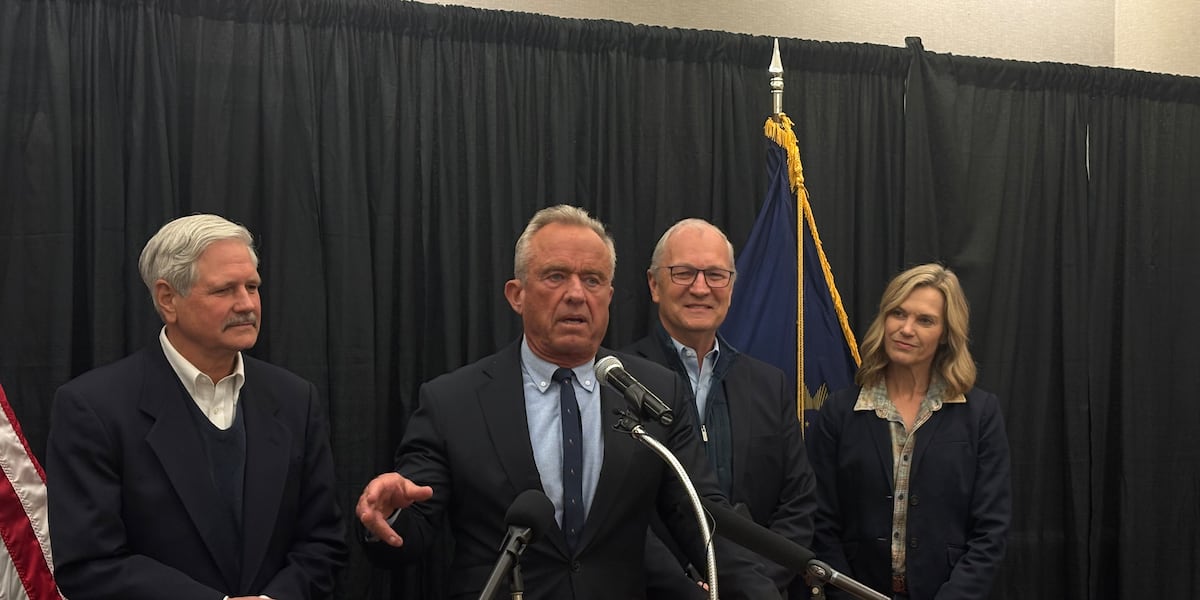
RFK Jr. Meets North Dakota Leaders to Discuss Rural Healthcare Access
RFK Jr. meets North Dakota leaders to discuss rural healthcare transformation U.S. Health and Human Services Secretary Robert...

Oregon State University Announces Veterans Week Events
OSU Kicks Off Week of Events Honoring Veterans For more than 2,000 students, faculty, and staff with military...