
In her syndicated advice column, Judith Martin — better known to generations of readers as Miss Manners — tackled three small social dilemmas this week, and her answers cut to the heart of a question many people quietly wonder about: where exactly does politeness end and intrusion begin? As Alaska Dispatch News reported in carrying the column, Martin argues that the same instinct that makes us compliment a stranger’s book can, in the wrong context, cross into something far less welcome.
A Tattoo Is Not a Conversation Starter
The first letter came from a reader who wanted to know whether commenting on a stranger’s tattoo is an acceptable way to open a conversation, reasoning that a tattoo of a name or other words seems designed to be read. Martin’s answer was blunt: tattoos are off-limits.
Her logic, as she laid it out, is that the “it’s there to be read” argument collapses under its own weight — it would mean every tattooed person not wearing a floor-length coat is eager to talk to anyone who wanders by. Commenting on another person’s body, or their body art, is invasive. The book, she notes, is the safer opening. And even then, the reader must quickly gauge whether the other person wants to participate at all, and stop if they would rather keep reading.
What Martin adds is the distinction that often gets lost in modern etiquette debates: mere civility is not the same as consent. A polite opening line does not obligate anyone to stay in the conversation.
The Birthday Dinner That Cost Two Meals
The second letter was more personal. A reader who takes a friend out to dinner every year for her birthday described a growing resentment: the friend always picks the same restaurant, always orders the largest portion, and always takes half home — effectively getting two meals out of one celebration. The reader noted that the meal with tip now approaches $100, which is beyond their budget, but they had hesitated to speak up.
Martin’s counsel was direct: this requires a conversation, but a carefully chosen one. She recommends raising only one of the complaints — and pointedly not the one that accuses the friend of exploiting the reader’s generosity. Sometimes offense is not the best defense; it is merely the surest way to give offense. The better approach, she writes, is to ask whether the friend would consider choosing a different restaurant this year, either because the reader has tired of this one or because they can no longer afford it. The money angle is more embarrassing to raise, she concedes, but it is slightly less likely to be met with the reminder that it is supposed to be the friend’s day.
After the “Excuse Me,” Say Nothing at All
The third letter asked whether there is any appropriate response when someone says “excuse me” after sneezing, belching, or passing gas. The writer could think of nothing that didn’t sound either cold or patronizing — “You’re excused” striking them as especially condescending.
Martin agreed: no acknowledgment is expected, required, or desired. That does not mean sitting in uncomfortable silence, however. The proper move is to steer the conversation away from the sound effect — either by resuming the topic that was interrupted or by introducing a new one.
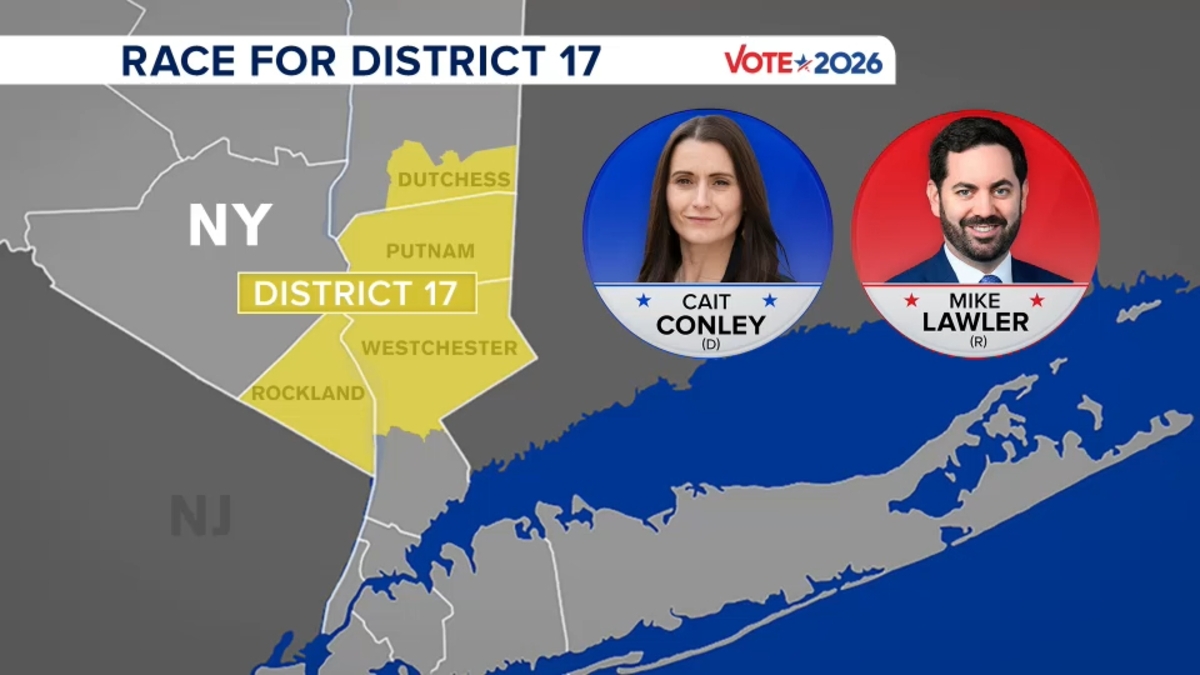
Cait Conley Defeats Mike Lawler in New York 17th District Race
Mike Lawler Concedes to Cait Conley, Flipping New York's 17th District to Democrats Republican incumbent Rep. Mike Lawler...
National Forest Road 462 and Trailheads Close for Construction November 9
What was supposed to be a routine drive up into the Sandia Mountains will turn into a detour...

Bishop Hughes Invites All to the 152nd Diocesan Convention
Bishop Hughes Urges Diocese to Attend 152nd Convention: 'Come and Bring Something' In a column for The VOICE...

Concord student Bram Dunehew wins $2 million Powerball prize
Bram Dunehew, a college student studying civil engineering in Concord, never intended to buy a lottery ticket last...