
Drought has stunted winter ryegrass across Mississippi cattle farms, pushing producers to feed hay early and driving up costs for the season ahead.
Stacey Broadhead, who feeds more than 400 mama cows in Simpson County, planted 475 acres of ryegrass that has yet to sprout. He began feeding winter hay in October. “As you can see here now, it’s just dead,” Broadhead said. The farm depends on ryegrass to carry the herd through winter; without it, “it’s going to really put more pressure on us on feeding more hay and more supplemental feed,” he said.
Hay is being consumed faster than expected and is difficult to source. “And that’s if you can find it. It’s a hard commodity to find right now,” Broadhead said. “Everything’s up,” he added, noting diesel is “way up” and a tractor is needed to cut, bale or move hay.
As of Nov. 12, 92% of Mississippi was in drought, and the USDA rated 76% of the state’s pastures poor to very poor.
Andy Berry, executive vice president of the Mississippi Cattlemen’s Association and the Mississippi Beef Council, said the drought’s timing has been “particularly damaging.” It cut late-summer hay production and “severely delayed winter grazing, with much of the seed planted for winter forage yet to even germinate,” Berry said. “This is forcing producers to begin feeding hay much earlier than normal, despite many already facing reduced hay supplies going into the winter.”
Ponds on Broadhead’s farm “basically became like pudding,” he said, forcing him to move herds and combine them so cattle could reach water. He plans to cull more of his bottom cows this year rather than wait for spring when prices might improve.
“If we have a mild winter that’s moist, you know, we feel really good that we’ll rebound,” Broadhead said. “If we don’t have a mild winter that’s moist, we’re going to have to make some hard decisions.”

Giants Defeat Jaguars at MetLife Stadium; Daboll Says Team Doesn’t Live in Scared World
The Giants defeated the Jacksonville Jaguars at MetLife Stadium on Sunday, snapping a stretch in which they had...
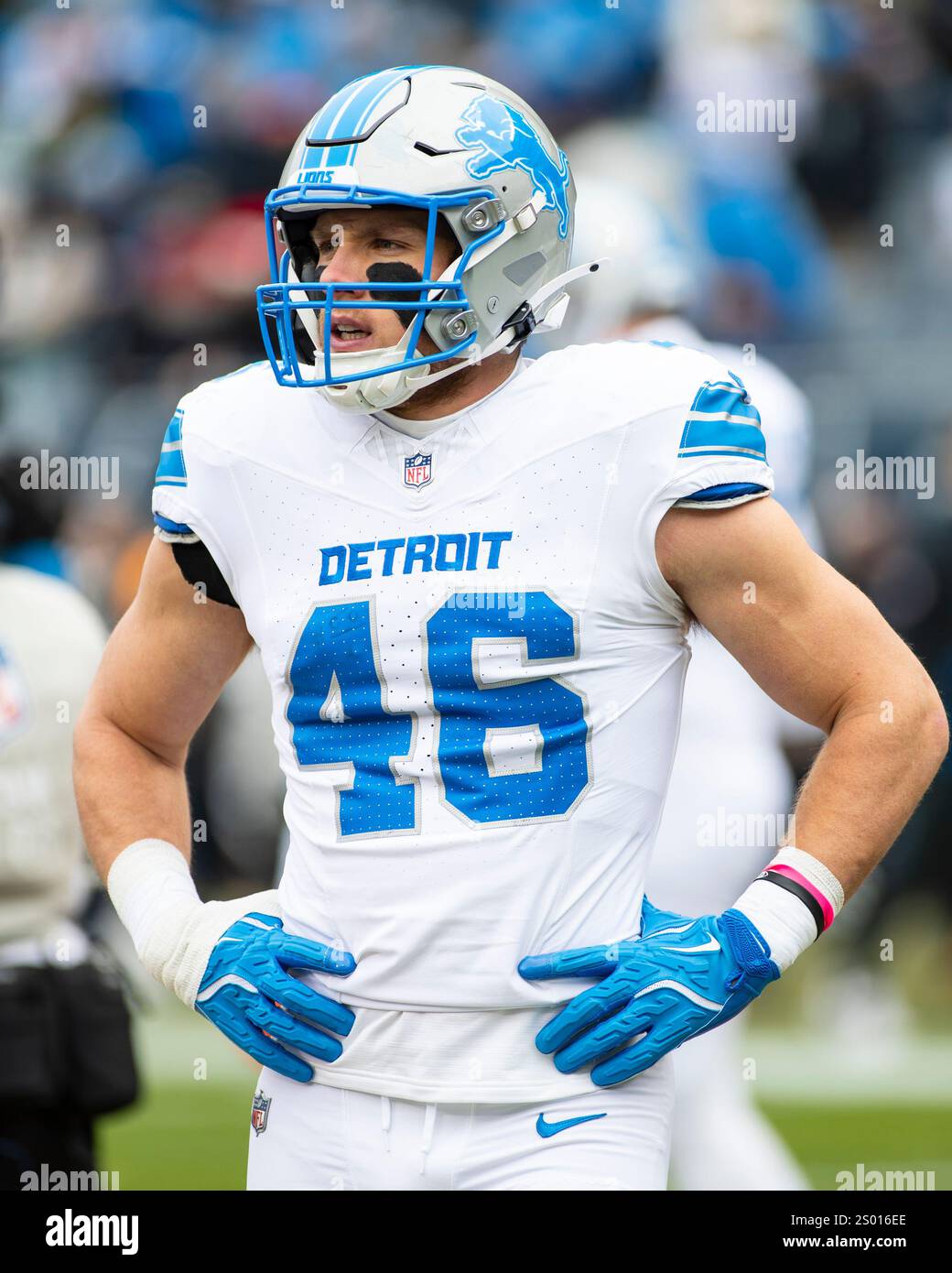
Lions Linebackers Wear Jack Campbell Wristbands for Rest of Season to Honor Injured Teammate
Lions linebackers debuted black wristbands bearing Jack Campbell’s No. 46 on Sunday against Tampa Bay, extending a tribute...

Norton Rose Fulbright Partner Vincent Dunn Represents Clients on Multiple Renewable Energy Financing Transactions, Firm Reports
Vincent Dunn has represented clients on multiple renewable-energy tax-equity and construction financing transactions, the firm reported. The total...

Illinois Fans Celebrate Record 133-Point Win Over Winthrop
Illinois routed Winthrop 133-83, breaking the Big Ten single-game scoring record in a game that saw the Illini...