
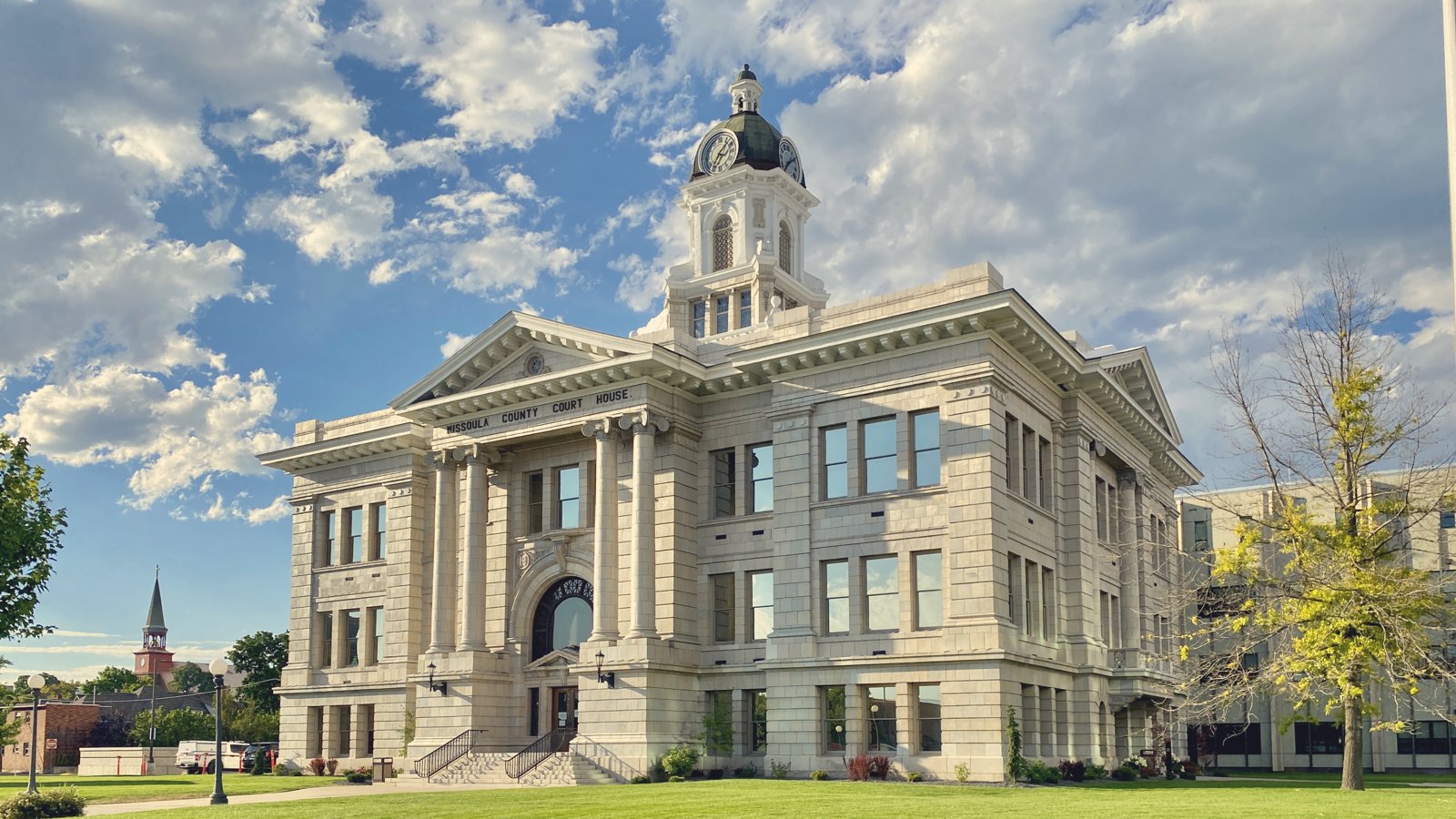
A Missoula County judge has blocked Montana from enforcing a 2025 law defining sex as strictly male or female based on reproductive biology, ruling the statute likely repeats a 2023 law she already struck down as unconstitutional.
District Judge Leslie Halligan issued the preliminary injunction on Nov. 16, barring state officials from applying Senate Bill 437’s definitions of “male,” “female,” “sex” and “gender” across the Montana Code while the case continues, KECI reported. The order does not decide the law’s ultimate constitutionality and does not set policies for school sports or correctional facilities.
Judge finds same ‘operative effect’ as prior law
Halligan accepted the state’s argument that SB 437 deserves its own presumption of constitutionality but wrote that “the relevant question” is not whether the new bill “contains precisely the same words” as the 2023 law, Senate Bill 458, but “whether the differences alter the constitutional analysis,” according to 567politics.com.
She concluded they likely do not. The new law uses gamete-based wording, yet “the operative effect appears to be the same,” she wrote, imposing “a State mandated binary classification of sex that, under this Court’s prior ruling, infringes on Montanans’ right to define their own gender identity.”
The judge cited the bill’s sponsor, Republican Sen. Carl Glimm of Kila, who told a Senate committee in March 2025 that the core definitions are “the same as SB 458” and that “the mechanics of this bill will remain the same,” 567politics.com reported.
Judge finds plaintiffs likely to succeed on claims
They argued the definitions could conflict with their identities and medical histories, forcing disclosure of private medical information in interactions involving public records, driver’s licenses, marriage certificates, health care and the Montana Human Rights Act, according to the order cited by 567politics.com.
Halligan found the plaintiffs likely to succeed on both privacy and equal protection claims under the Montana Constitution, which protects privacy more broadly than the U.S. Constitution and requires a compelling state interest to infringe it.
The judge leaned on a 2026 Montana Supreme Court decision, Kalarchik v. State., which held that a transgender person forced to show identification conflicting with their identity faces compelled disclosure of intimate information. That ruling “forecloses” the state’s argument that such harms are “necessarily abstract or ideological,” Halligan wrote.
She also waived the usual requirement that plaintiffs post a bond.
State argues differences warrant fresh review
She concluded the differences likely do not change that analysis.
Prior law struck down twice
A judge first invalidated it in June 2024 because its subject was not clear in its title, and again in February 2025 for violating the equal protection clause of the Montana Constitution, the outlet said.
Injunction halts enforcement across state law
The injunction applies to definitions of “male,” “female,” “sex” and “gender” written to apply across many areas of Montana law, NBC Montana reported. With the injunction in place, that change is on hold.
The Attorney General’s Office said it plans to appeal. We will appeal. The district court was wrong, and we hope the Montana Supreme Court will get it right.”
State vows appeal; governor’s office defends law
“This duly enacted law reflects the scientific fact that there are two sexes — male and female,” said Amanda Braynack, spokesperson for Attorney General Austin Knudsen, in a statement to KECI. “We will appeal. The district court was wrong, and we hope the Montana Supreme Court will get it right.”
Gov. Greg Gianforte signed SB 437 into law in March, nearly a year after it passed the Legislature, in an effort to avoid entangling it in ongoing litigation over SB 458, according to a spokesperson for House Republicans cited by Montana Free Press.
A joint statement from Gianforte and House Speaker Brandon Ler when the lawsuit was filed said the law “codifies the long-recognized, commonsense, immutable, biologically-based definition of sex, male and female, while protecting people born intersex and not infringing on transgender individuals’ ability to identify with whatever gender, but not sex, they wish.”
“The Legislature made a second attempt to pass essentially the same law — and then took unprecedented steps to avoid judicial review”, said Molly Danahy, litigation director for Upper Seven Law, in a press release cited by Montana Free Press. “But even these extraordinary procedural shenanigans — including holding the bill for nearly a year before signing it into law — couldn’t save it from ordinary constitutional review.”
The case will continue as the state prepares its appeal to the Montana Supreme Court.
Related reading

Indiana (6-0) Favored by 27.5 Points vs. Jacksonville (2-4) Tuesday at Assembly Hall
Indiana (6-0) brings a 27.5-point spread into Tuesday's 7 p.m. ET home game against Jacksonville (2-4) at Simon...
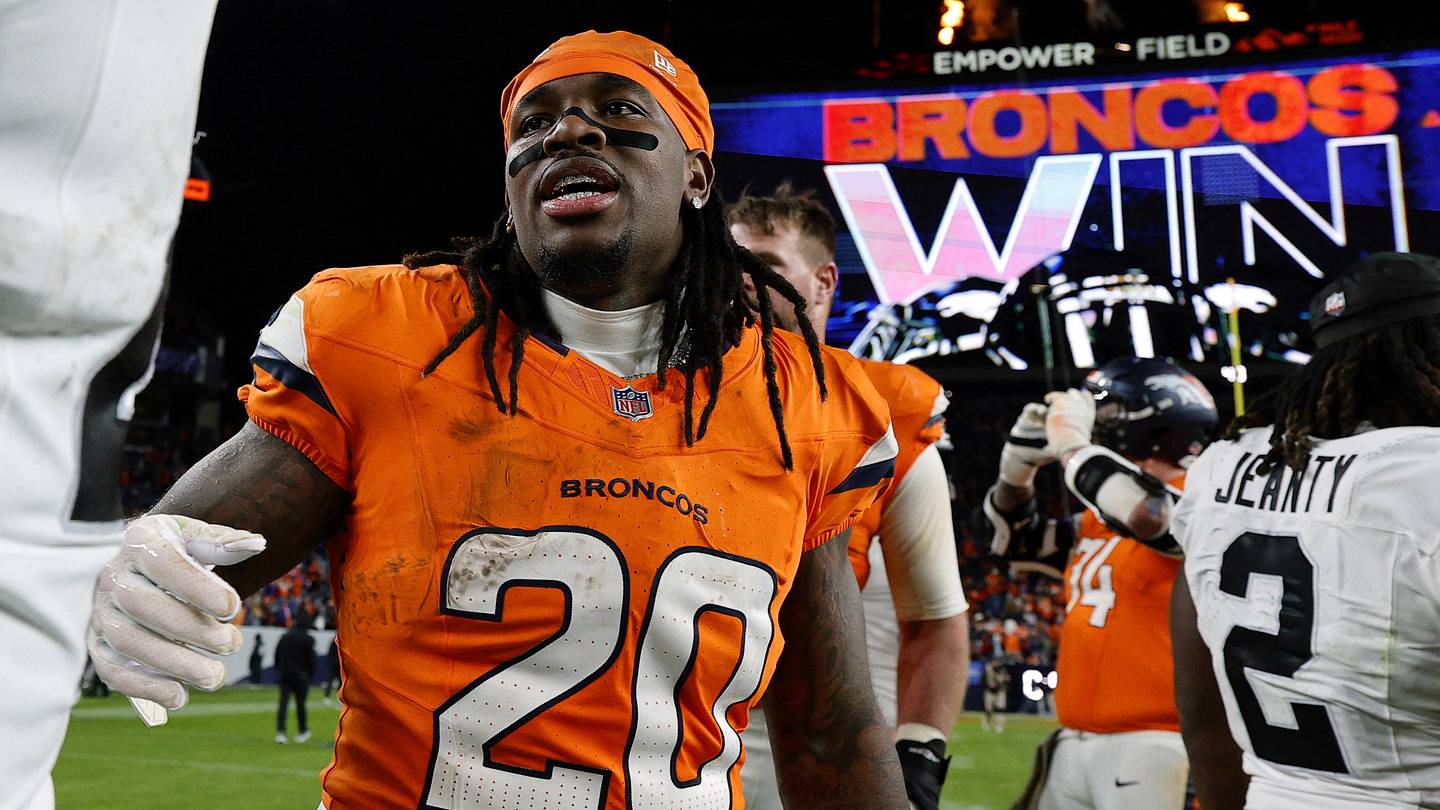
Broncos Rookie Jonah Coleman Rushes for 111 Yards, 3 TDs in Win Over Raiders
Denver Broncos rookie running back Jonah Coleman rushed for 111 yards and three touchdowns on 24 carries in...

St. Helens Extends Treadway Events Contract Through 2027, Adds Budget and Reporting Rules
St. Helens renewed its contract with Treadway Events through Dec. 31, 2027, adding budget deadlines and reporting rules...

Maryland Woman Accused of Faking Cancer to Steal $200K Granted $10K Bail
A Howard County judge ordered a Maryland woman accused of faking cancer to solicit donations released on $10,000...