“The projected impacts in Missouri were initially minimal, and we’re glad to hear that the post-detonation results show that any of those preliminary forecasted impacts are now obsolete in our state,” said Mark James, director of the Missouri Department of Public Safety.
Missouri officials confirmed Wednesday that no airborne lead was detected after the U.S. Army’s controlled detonation of 68 barrels of lead azide in Middletown, Iowa, about 57 miles north of the state line. The Environmental Protection Agency reported “zero detection of airborne lead” from initial air monitoring following the operation, according to the agency.
State agencies spent the morning at the State Emergency Management Center in Jefferson City monitoring the event. Jake Buxton, director of the Missouri Department of Natural Resources, said the Army’s mitigation efforts worked better than planned and the projected plume barely left the base, moving opposite the Mississippi River. The EPA collected 1,200 samples in northeast Missouri before the detonation and is resampling now for comparison.
“We are grateful that, while our experts and partners quickly mobilized and prepared for potential impacts, air monitoring results now confirm that Missouri experienced the best-case outcome from this event,” said Sarah Wilson, director of the Missouri Department of Health and Senior Services.
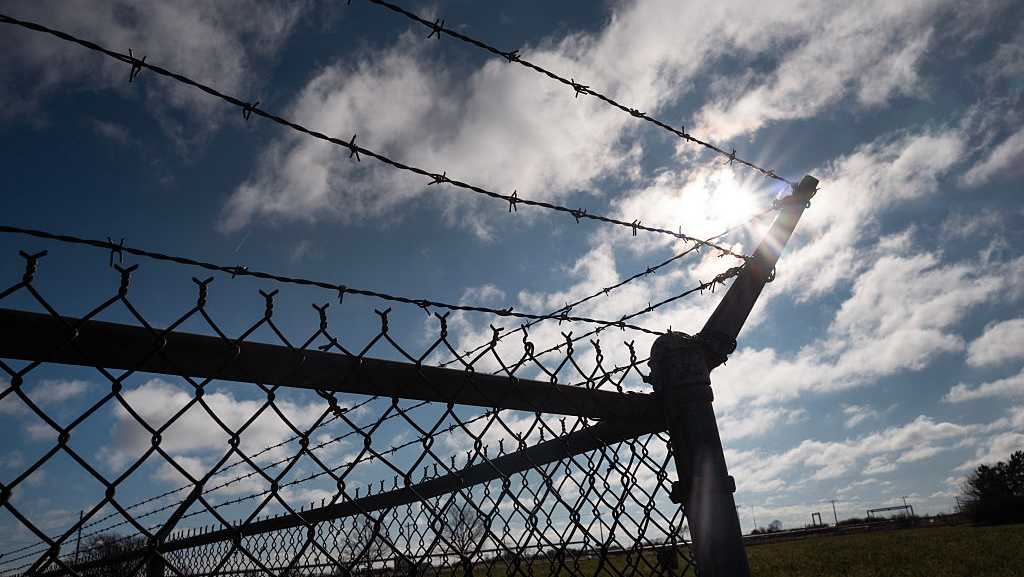
The Environmental Protection Agency reported that initial air monitoring after the detonation showed “zero detection of airborne lead,” and the agency said it continues to closely monitor potential lead levels using real-time analysis.
Buxton said there were “no traces of lead coming towards Missouri” and the plume moved in the opposite direction from the Mississippi River.
The Army scheduled the detonation because the lead azide barrels were at risk of spontaneous explosion. Gov. Mike Kehoe said state agencies remained focused on ensuring Missouri was prepared while the decision and responsibility rested with the federal government. Chris Chinn, director of the Missouri Department of Agriculture, said the state’s food supply remains safe.
Worth a look
Arkansas LT Kavion Broussard Listed Probable for LSU Season Finale
Arkansas starting left tackle Kavion Broussard was listed as probable Wednesday in the SEC's first availability report for...

38th North Augusta Christmas Tour of Homes Opens Friday, Benefits Scholarships
The 38th annual North Augusta Christmas Tour of Homes opens Friday, Dec. 4, with the Arts and Heritage...
Colorado Snowpack 54% in North, 160% in South; Drought Persists
Colorado Snow Survey showed northern snowpack far below normal while southern basins reached 160% after historic October flooding....

No. 19 BYU Hits Tournament-Record 38 Three-Point Attempts, Edges Providence 85-82 for Third Place
No. 19 BYU hit a tournament-record 38 three-point attempts and converted 17 to edge Providence 85-82 on Wednesday,...