Missouri schools will serve 2,730 refugee students with federal dollars this year, down from more than 4,500 across 34 districts last year, STLPR reported.
The drop follows a March letter from the U.S. Office of Refugee Resettlement ending the Refugee Resettlement Services Set-Aside, which includes the Refugee School Impact program that paid for teacher training, interpreters and specialized classrooms. Missouri’s last RSI allocation arrived in federal fiscal year 2025 at about $1.1 million; nothing has come since.
“I will tell you that funding for refugee programs is, if you picture a roller coaster — that’s how it goes,” said Paul Costigan, Missouri’s state refugee coordinator.
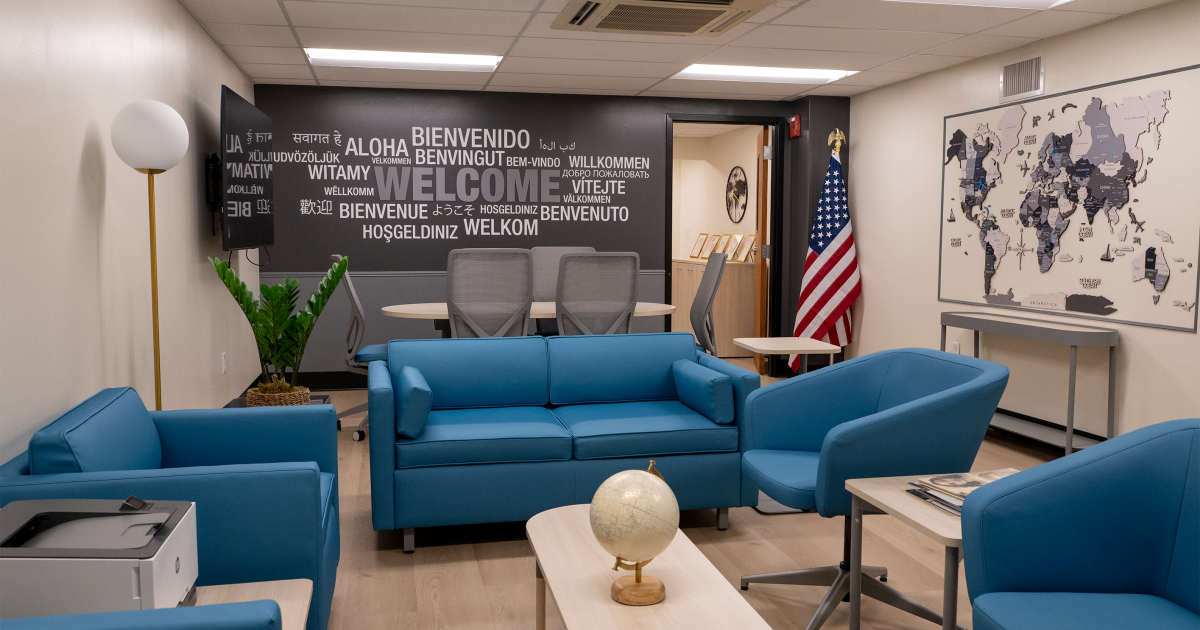
Six districts — St. Louis Public Schools, Mehlville R-IX, Bayless, Columbia Public Schools, Kansas City 33 and Springfield Schools — share the current pot. Mehlville has drawn over $830,000 since the 2022–2023 school year for its 256 refugee students, many from Afghanistan. Bayless has used roughly $700,000 since 2023 to build a Newcomer Center at its junior high, buy iPads for instant translation and redesign classrooms for 150 refugee children.
“Just hearing our family stories and everything they’ve been through, you know, a lot of them were living in camps and have been in many different countries and a lot of our students didn’t have access to education,” said Monika Hasanbasic, director of English Language Development at Bayless.
“So having them come here and being able to support them is truly meaningful and seeing the students walk across the stage, especially girls who were never able to attend school in Afghanistan. Now they’re graduating — it’s really powerful and meaningful to me.”
The March letter offered no explanation for the cut, but it aligns with the second Trump administration’s refugee-cap reduction to 7,500 for FY 2026 and a priority on Afrikaners from South Africa. Missouri welcomed about 240 new refugees this year.
Earlier surges told a different story. Federal fiscal year 2022 brought nearly $3.3 million through the Afghan RSI program, followed by $1.9 million in FY 2023; the Ukrainian RSI program added more than $1 million in the same period. Those funds built the infrastructure districts now struggle to maintain.
Shawn Cockrum, Missouri’s refugee school programs manager, plans to roll leftover dollars forward in case arrivals tick up. “We’re really just really hoping that something will change and at least RSI will get refunded,” he said.
The loss adds to a $190 million state cut to public education this year, and lawmakers say they will do it again next session. “Schools are schools. They find a way to do it,” Cockrum said. “That’s the thing that I love about the schools in Missouri. They don’t give up and they don’t make excuses. They keep doing the best they can do.”
Worth a look

Connecticut Senate Republicans at Smallest Caucus Since 1941, Leaders Split on Strategy
“We’ll be back,” Rob Sampson said Thursday. That promise lands with a particular weight in Hartford this week....
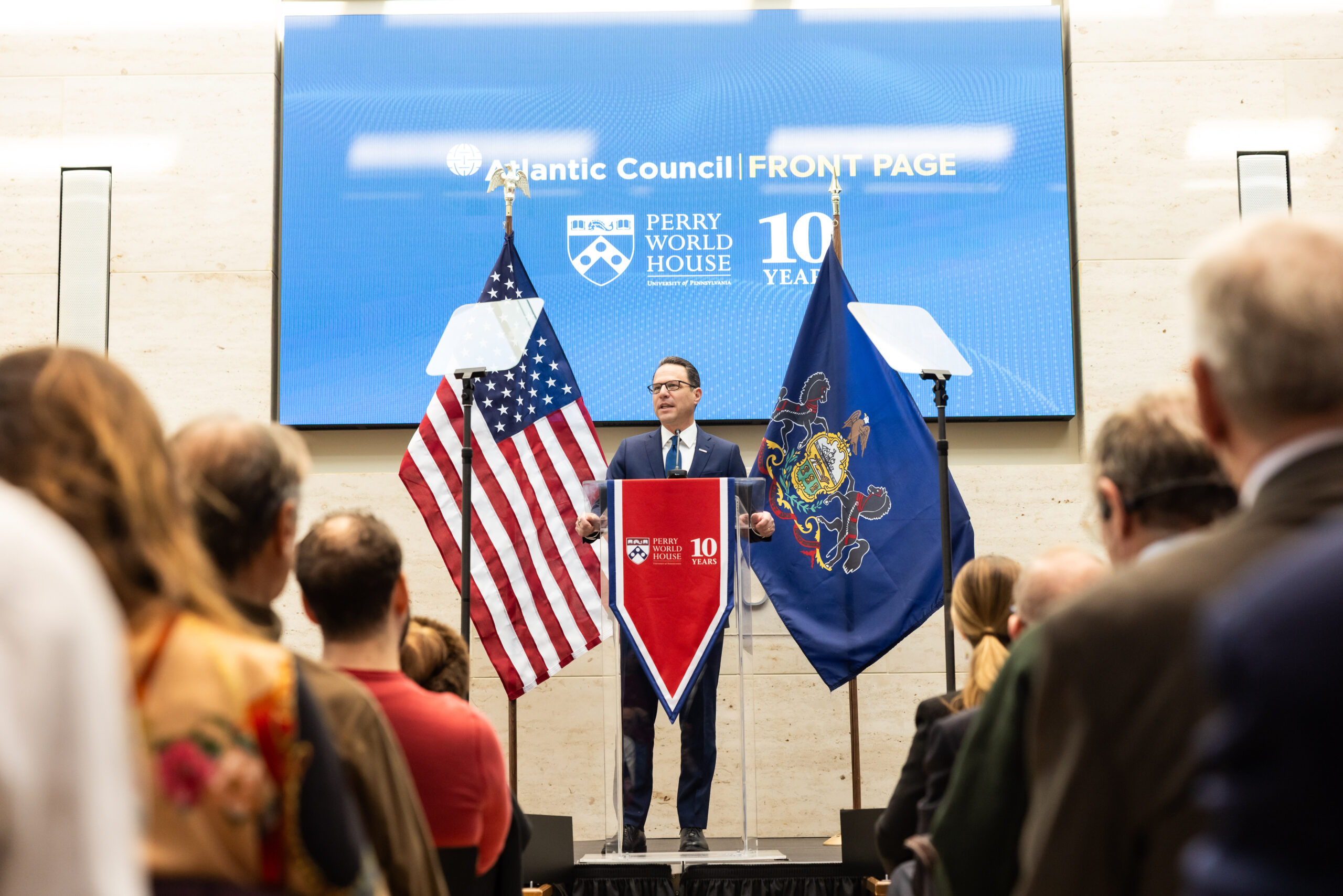
Pennsylvania Gov. Josh Shapiro Calls for Wholesale Rewrite of US Foreign Policy at Atlantic Council Conference
Pennsylvania Governor Josh Shapiro called Friday for a wholesale rewrite of American foreign policy, arguing that the 2026...
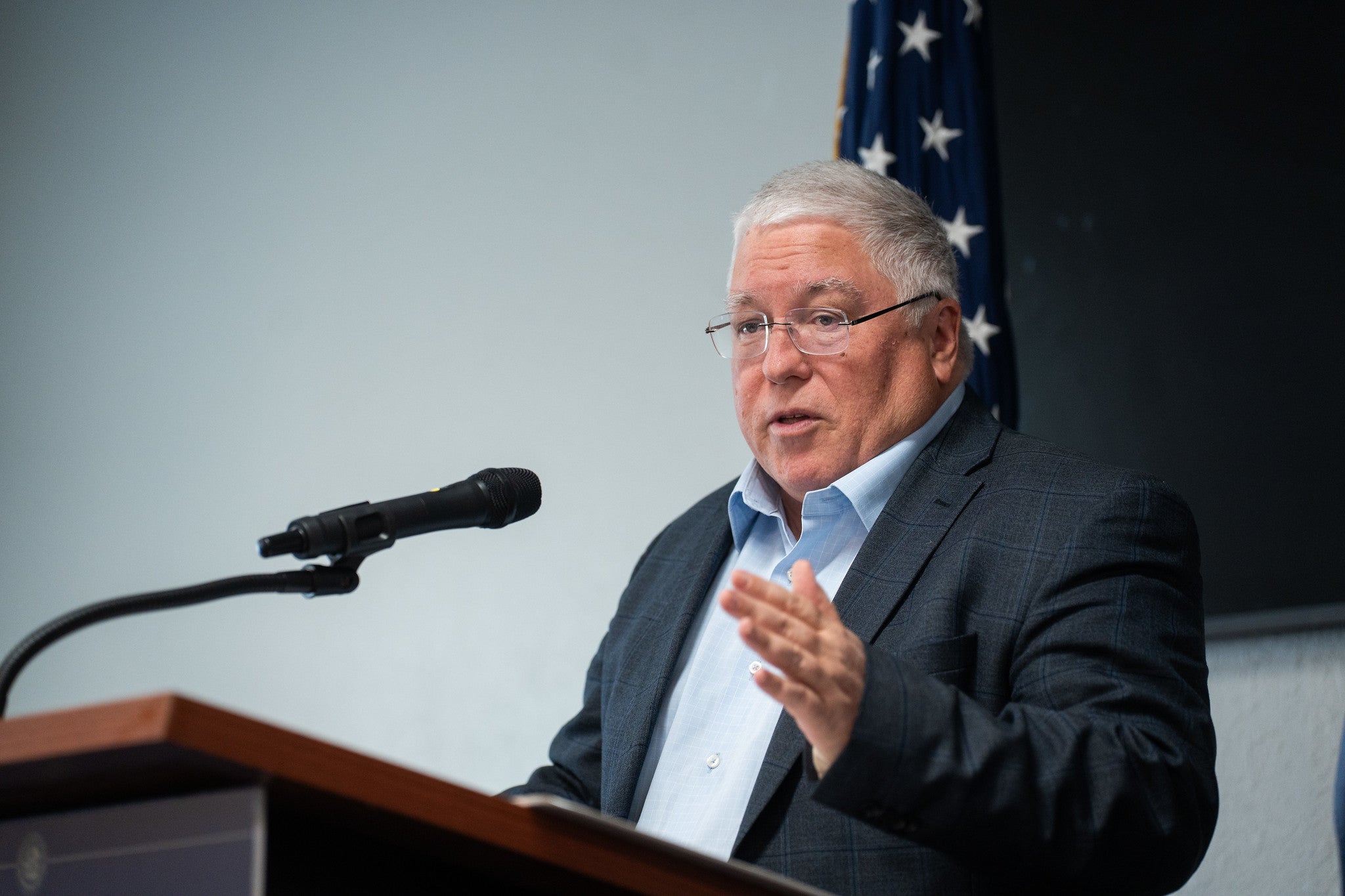
WV Gov. Morrisey Names Franklin Commerce Counsel, Rorrer DEP Deputy Secretary
Gov. Patrick Morrisey named Katie Franklin as general counsel for the West Virginia Department of Commerce and Jonathan...

UnityPoint Health, DMU Launch Iowa Rural Health Collaborative in Webster County
UnityPoint Health and Des Moines University Medicine and Health Sciences announced this week they are launching the Iowa...