
Major League Baseball sued its players‘ association in federal court Wednesday, seeking a ruling that a lockout set to begin next week is legal under antitrust law.
The 38-page complaint, filed in the Southern District of New York, names the MLBPA and eight members of its executive subcommittee — including pitchers Tarik Skubal and Paul Skenes — as defendants. The league argues it has a “reasonable and imminent fear” the union will disclaim its status as the players’ bargaining representative, a move that would strip MLB of its labor-law shield and expose the lockout to antitrust challenges carrying treble damages.
The suit was filed by MLB and the corporate entities owning its 30 teams. Among the lawyers representing MLB are former U.S. Solicitor General Paul D. Clement and the firm Keker, Van Nest & Peters, which previously worked on behalf of the union in litigation opposing government seizure of drug test results.
Rob Manfred was asked if a lockout will definitely happen with Thanksgiving coming up and the looming December 1st deadline: "A decision on a lockout is one that we're going to make at the last possible moment. I'm not that big on Thanksgiving as a holiday. We'll make ourselves… pic.twitter.com/QMx9xVR0lz
The Salary Cap That Started the Fight
At the center of the standoff is the owners’ first salary-cap proposal since 1994. MLB’s latest offer sets a $258.2 million payroll ceiling and a $180.2 million floor beginning in 2028. Twelve clubs, among them the World Series champion Milwaukee Brewers and AL pennant winner Tampa Bay Rays, would need to raise spending by a combined $636 million to reach the floor.
MLB also proposed paying $282 million in competitive balance tax proceeds to players in cash. Commissioner Rob Manfred has called the cap essential to competitive balance and said owners will not approve a deal without one. The union, led by interim executive director Bruce Meyer, has branded the cap a nuclear bomb and vowed never to accept it.
How the Lockout Would Work
Baseball’s five-year labor contract expires at 11:59 p.m. ET on Dec. 1, 2026. ET on Dec. 1. Owners are expected to impose a lockout immediately, halting free-agent signings, trades and use of team facilities. It would be baseball’s 10th work stoppage since 1972 and the first since the 99-day lockout that delayed the 2022 season by one week. ET on Dec. 1, 2026, in support of its lawful bargaining position, the lawsuit said.
MLB also plans to file an unfair labor practice charge with the National Labor Relations Board, arguing the union has refused to bargain in good faith over core economic issues. The league says it would withdraw the federal lawsuit if the MLBPA agrees not to disclaim its status until a new CBA is reached.
The Union’s Nuclear Option
The lawsuit details a strategy the MLBPA’s new leadership has used before. MLB says Bruce Meyer and outside counsel Jeffrey Kessler helped NBA and NHL players disclaim their unions during the 2011 and 2012 lockouts.
NEWS: MLB has sued the MLBPA in federal court in New York. The league is asking a judge to declare that the impending lockout is legal under antitrust law and that it cannot be enjoined by a judge, even if the players give up their status as a union.https://t.co/gGKW8D6t0W
In 1989, NFL players decertified and won an antitrust suit that ultimately brought free agency to football. MLB argues any disclaimer now would be a sham because the union would simply re-form once it extracted concessions. The union called the league’s exemption judicially created and unique, in a statement.
He described decertification as a nuclear option that mirrors Meyer’s label for the salary cap.

Legal Precedents Shape Antitrust Exemption Outcome
If a federal judge grants MLB’s request for a declaratory judgment, the lockout would proceed under the protection of the nonstatutory labor exemption, and the union would lose its most potent leverage — the threat of antitrust litigation — before the work stoppage even begins. If the union disclaims anyway, the case could test whether baseball’s unique, judicially created antitrust exemption survives a direct challenge.
The Curt Flood Act of 1998 ended MLB’s reserve system and gave players the same employment rights under antitrust law as athletes in other sports, but it left the broader exemption intact. Those are legal tools designed to push negotiations toward resolution. As noted, the 8th Circuit later vacated that injunction.
“We'll make ourselves available wherever and whenever to bargain,” Manfred said earlier this month.
Keep reading

Anthony Gordon Scores Twice as Barcelona Beat Sabah 4-1
Anthony Gordon scored twice as Barcelona beat Sabah 4-1 at Baku Olympic Stadium on Wednesday, extending their Champions...
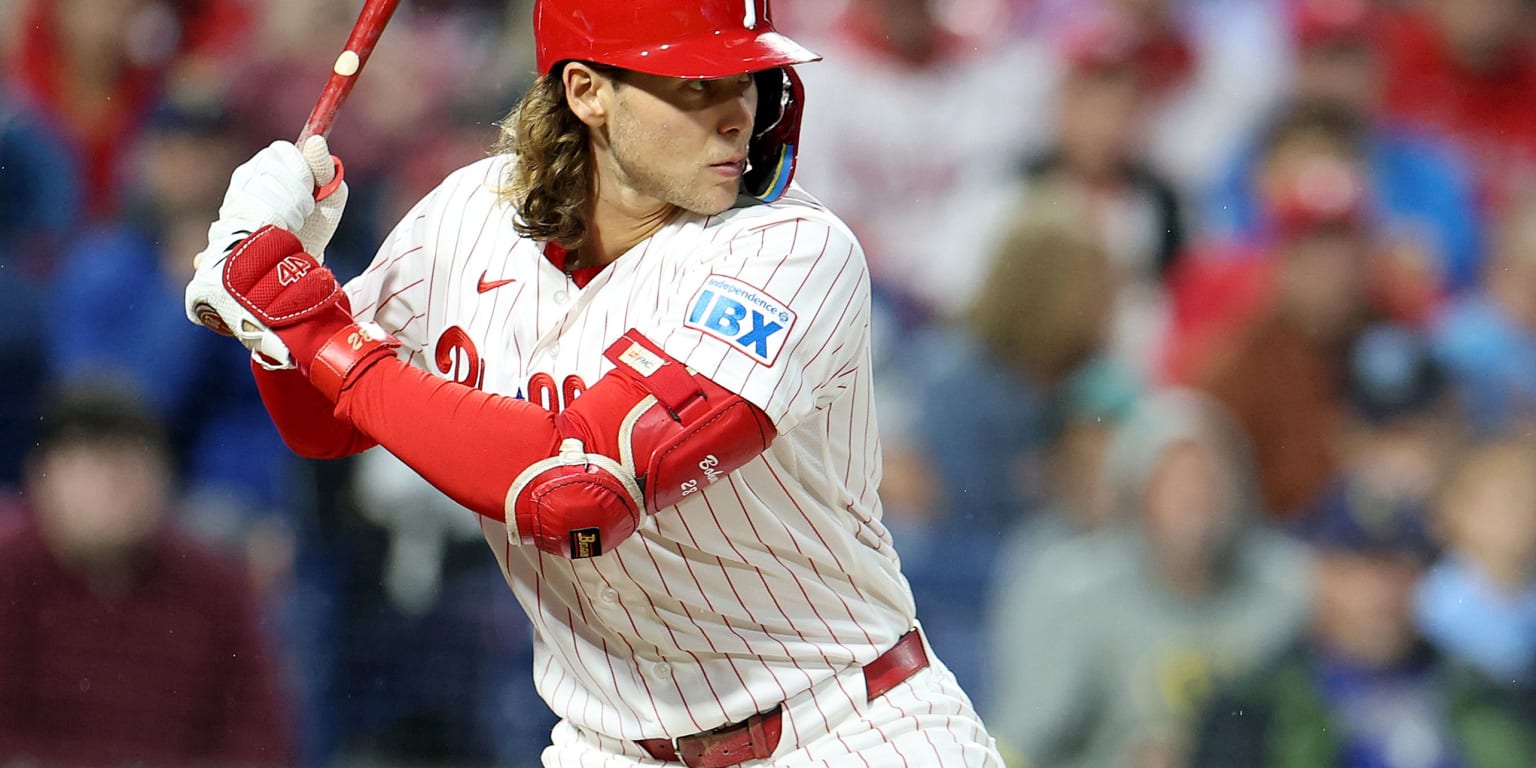
Alec Bohm Agrees to Two-Year, $20 Million Contract With Royals
Free agent Alec Bohm agreed Wednesday to a two-year, $20 million contract with the Kansas City Royals, filling...

Watford Appoint Edward Iordănescu as Head Coach
Watford confirmed Edward Iordănescu as head coach on Wednesday, making the 48-year-old Romanian the club's sixth permanent appointment...

Fairfield Review Finds Systemic Racism, Misogyny, Homophobia Persist in Met
Britain’s biggest police force remains institutionally racist, misogynistic, and homophobic three years after a landmark inquiry threw Scotland...