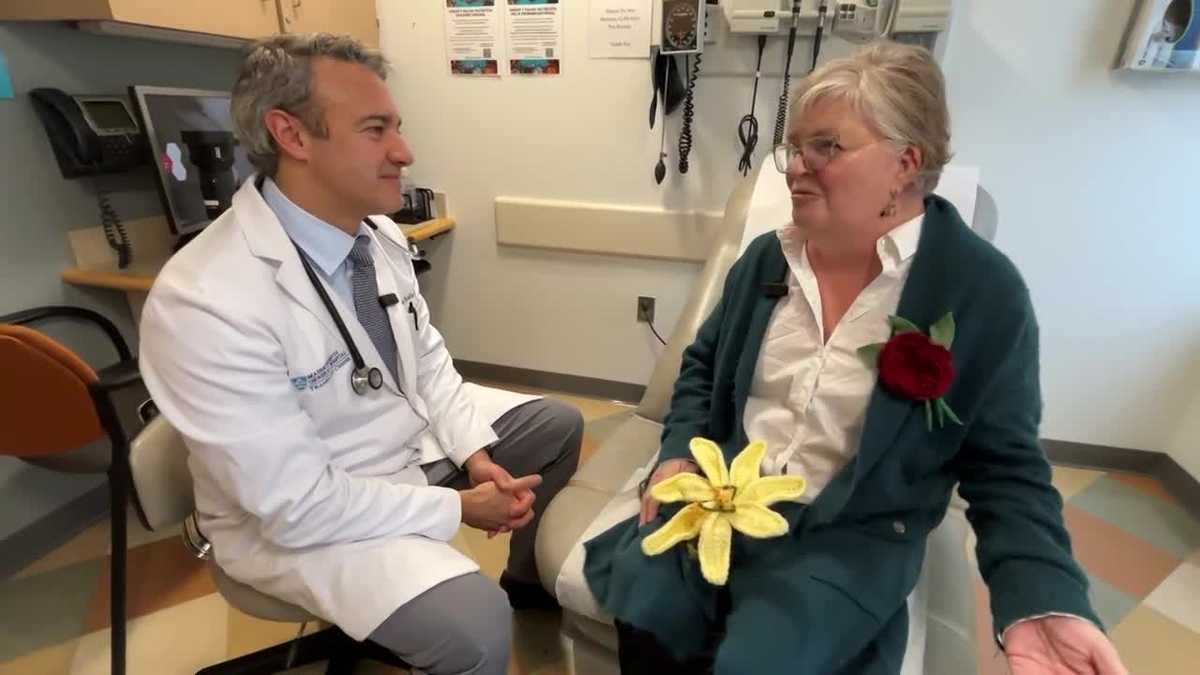
A genetically modified pig kidney has functioned for one year inside a living recipient for the first time, offering a potential path off dialysis for some of the roughly 100,000 Americans awaiting human donor organs, WCVB reported.
Molly Falco, 58, received the kidney at Mass General Brigham in Boston. She remains alive and off dialysis, a milestone that exceeds the 52-day survival of Rick Slayman, the world’s first recipient in 2024, and the 271 days Tim Andrews’ xenograft functioned in 2025 before replacement with a human kidney, according to WCVB. Falco was the fourth patient to receive a pig kidney transplant at the hospital.
“It gives us extreme hope that it is feasible to do these transplants,” said Dr. Leo Riella, medical director of the kidney transplant program at Mass General Brigham.
“Our patients, you know, are the true heroes here,” he said. “They’re pioneers because they are putting themselves at risk to advance the science and create options for treatments that currently are not available for patients that are currently on dialysis.”
The achievement comes with a persistent challenge: preventing rejection without triggering dangerous infections. Falco’s regimen required “little tricks” — continuing some medications while reducing doses of others — to find a sustainable balance, Riella told WCVB.
“With Molly and with previous patients, we have learned little tricks of some medications that we may continue and some medications where it is OK to reduce the dose,” he said.

If results are positive, Riella said an FDA-approved product could reach a select group of patients within five years.
Since Falco’s transplant, two more patients at Mass General Brigham have received pig kidneys, WCVB reported. Falco said all four recipients, including Andrews, are doing well and stay in touch through a group chat.
“I’m just amazed every day that it’s still working,” Falco told WCVB. “I got a transplant. I was really fortunate. And I’m still alive, and I don’t have to do dialysis.”
University of Minnesota researchers have demonstrated that pig kidneys can be frozen for long-term storage, a development that could extend the current 36-hour window available for transplant procedures. The advance addresses a logistical constraint that limits how far organs can travel and how quickly surgical teams must operate.
Molly Falco recently marked one year with a functioning pig kidney xenograft at Mass General Brigham. Together, the two lines of research target different barriers — organ viability during storage and long-term survival after implantation — that have historically restricted the supply of transplantable kidneys.
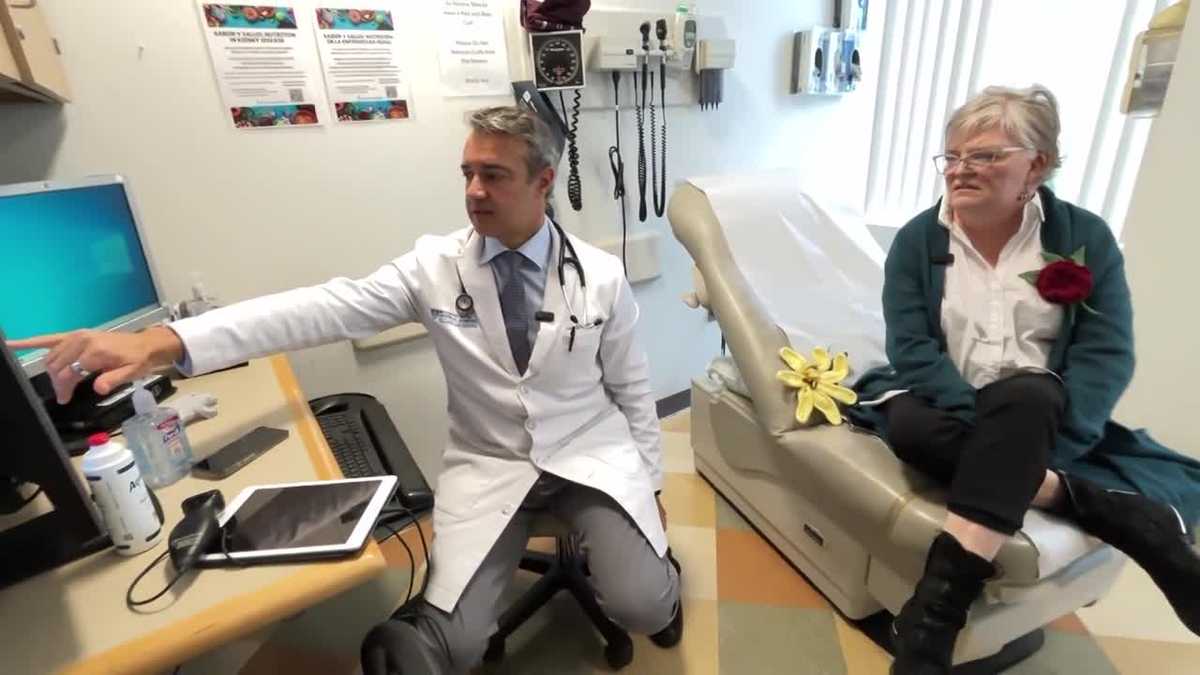
Falco said the group stays in touch through a shared chat, offering a real-time view of how each patient is managing recovery and medication regimens.
Mass General Brigham, the integrated health system anchored by Massachusetts General Hospital and Brigham and Women’s Hospital, has established itself as a leading center for xenotransplantation clinical research. Its kidney transplant program, directed by Dr. Leo Riella, has now performed six pig kidney transplants since 2024, including the world’s first recipient and the first patient to reach one year of graft survival.
Dr. Leo Riella, medical director of the kidney transplant program, described the patients as pioneers who accept personal risk to create treatment options that do not yet exist for people on dialysis. He said a clinical study planned for next year will test refined immunosuppression protocols, and if results are positive, an FDA-approved product could reach a select group of patients within five years.
Worth a look

Tallahassee Commission Votes to Revisit ICE Agreement
The Tallahassee City Commission voted Wednesday to revisit the police department’s 287(g) agreement with U.S. Immigration and Customs...

No. 14 Oklahoma Closes on 12-0 Run to Beat Virginia 86-66, Stay Unbeaten
No. 14 Oklahoma turned a four-point game into a 20-point victory over previously unbeaten Virginia on Monday, closing...

Columbia Professor Offered Ex-Mistress $36,000 to Sign NDA, Court Documents Allege
A married Columbia Business School professor offered his former mistress $36,000 to sign a non-disclosure agreement after ending...

Next Warns of Cyber Breach at Third-Party Supplier, Says Customer Data Safe
Next has confirmed that hackers accessed data through a third-party online supplier, though the retailer said there is...