Montgomery answered the call with more than hygiene products; it answered with presence.
City leaders gathered at City Hall on Thursday to close out the Montgomery Cares: Hope & Healing Drive, a three-week sprint that turned a modest goal of 200 care bags into a citywide mobilization spanning fire stations, libraries, the zoo, and the Museum of Fine Arts, City of Montgomery, AL reported.
Mayor Steven L. Reed framed the result as proof of communal muscle. “When we issued the call for support, Montgomery answered,” Reed said. “Residents, businesses, churches, schools, nonprofit organizations, elected officials, and City employees all came together to ensure that survivors and families in need know they are seen, supported, and valued.”
The drive, launched Oct. 20 to coincide with Domestic Violence Awareness Month, targeted a specific, often overlooked gap: the immediate need for dignity items when a survivor walks through a shelter door. The original ask was surgical — 100 bags each for the Family Sunshine Center and One Place Family Justice Center, stocked with feminine hygiene products, oral care, first-aid basics, soap, shampoo, deodorant, lotion, tissues, hair ties, and resource pamphlets.

Donation sites multiplied organically. Municipal Court, the Office of the Inspector General, Parks & Recreation, Montgomery Fire/Rescue, and the Montgomery Zoo all served as drop points, a network the City called “Small Items. Big Impact.” By Thursday’s press conference in the Old Council Chambers, representatives from both beneficiary organizations confirmed the haul had “exceeded expectations,” generating hundreds of individual items that will alleviate immediate needs while signaling community solidarity.
For the Family Sunshine Center and One Place Family Justice Center, these bags are not ceremonial. They are triage. Survivors often arrive with nothing but the clothes on their backs; a toothbrush, a pack of pads, a travel-size shampoo becomes the first tangible proof that the system works.
The drive’s timing — late October through mid-November — also bridges a dangerous seasonal window: the holidays, when domestic violence incidents historically spike and shelter populations swell.
Councilwoman Julie Beard, Councilman Oronde Mitchell, County Commissioner Carmen Moore Zeigler, and Pastor Edward J. Nettles Jr. were among the elected and faith leaders recognized for turning out. So were The NewSouth Bookstore, Martha Place, Bethel Missionary Baptist Church, Montgomery Public Schools, Family Guidance Center, Hookah House, and Level 2 — a cross-section that reads like a civic directory rather than a donor list.
The drive was explicitly a campaign — time-bound, goal-oriented, and event-driven. Neither the City nor the partner nonprofits have publicly committed to a standing supply chain for these items. The “Small Items. “Small Items. Big Impact” works for a sprint; it does not solve the marathon of operational funding, case management, and legal advocacy that One Place and Family Sunshine Center run year-round.”
Reed, born in Montgomery in 1974, is the city’s first African-American mayor, taking office in 2019 after serving as Montgomery County probate judge. In 2015, he became the first probate judge in Alabama to issue same-sex marriage licenses following a federal court ruling, though he later paused after a state Supreme Court order. He won re-election in 2023 with 57% of the vote.
The collected items are now in the hands of the two centers for distribution. The City points residents to MGMCares.info for future initiatives. But the ledger is still open on whether this drive becomes a template for quarterly resupply or remains a well-executed one-off. “Montgomery Cares demonstrated the heart of our community,” Reed said.

Vermont Women’s Hockey Hosts No. 9 UConn for Teddy Bear Toss Weekend
Vermont women's hockey returns to Gutterson Fieldhouse on Friday night to face ninth-ranked Connecticut in a two-game Hockey...
Alaska, States Secure Privacy Ombudsman for Character.AI Bankruptcy Auction
Acting Attorney General Cori Mills announced Wednesday that Alaska and a bipartisan coalition of states helped secure a...
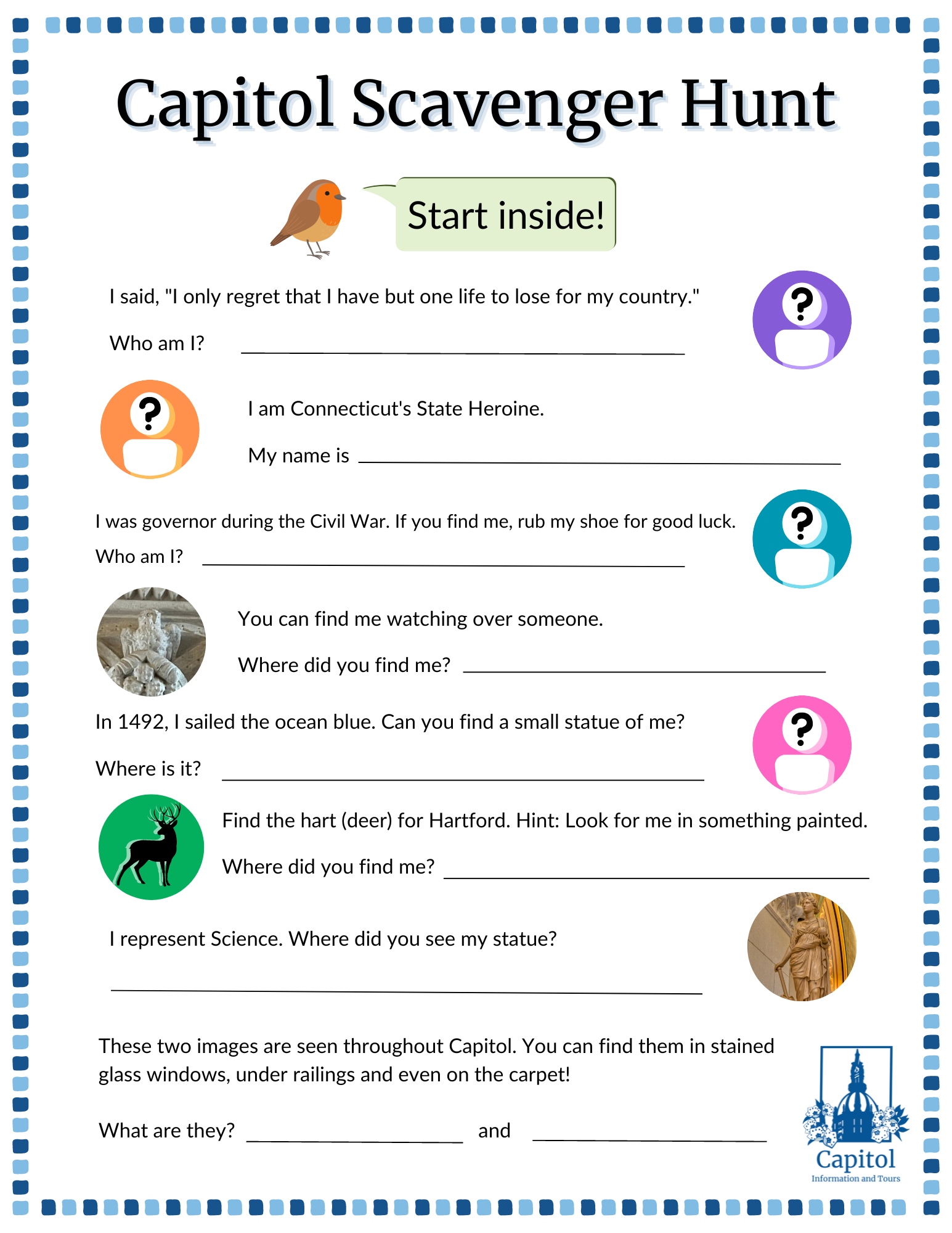
Smartphone-Guided Scavenger Hunt Explores Minnesota Capitol and Cathedral of Saint Paul
A smartphone-guided scavenger hunt turns the Minnesota State Capitol grounds and the Cathedral of Saint Paul into a...

Three Virginia Swimmers Win Events as Women Move to Second at Tennessee Invite
Virginia swimmers won three individual races on the third day of the Tennessee Invite in Knoxville, pushing the...