
A mother followed the state’s roadmap to reunification — then watched her disabled son die in a foster home the agency had vouched for twice.
Mariella Sosa filed a wrongful-death lawsuit Nov. 2 in Juneau Superior Court alleging that the Alaska Department of Family and Community Services and Anchorage foster caregiver DeAundria Williams failed to protect 11-year-old Ronaldo Sosa-Flores, who died Aug. 30 from sepsis caused by a perforated intestine, Juneau Independent reported.
The complaint describes a year in which Ronaldo was moved from a Juneau foster home to two separate Anchorage placements, each time over his mother’s objections and each time into homes the state had certified as equipped for his disabilities.
“It was well established that, due to (the child’s) disability, he lacked the discernment necessary to avoid eating non-food items like wooden sticks, and required constant supervision by his care providers,” the lawsuit says. Sosa told the foster mother during a video visit weeks before his death that accidental ingestion of wooden sticks from corn dogs could damage a child’s stomach and intestines, according to the filing.
“They are perennially understaffed, and one of the problems with that is that because of their understaffing, they have lowered the requirements for employment there.”
said Chris Peloso, Sosa’s attorney, who also works as a public defender handling OCS cases. He told Juneau Independent the agency’s staffing crisis compounds the risk to children with complex medical needs.
Sosa had been Ronaldo’s primary caregiver until July 2025, when she brought him to Bartlett Regional Hospital for weight loss related to his disability. OCS petitioned the court to declare him a child in need of aid, arguing she could not meet his specialized needs, Juneau Independent reported.
She completed the agency’s requested training and arranged in-home providers, but OCS declined to return him because she was living at a women’s shelter where caregivers would not have unrestricted access, the complaint alleges.
When the Juneau foster family could no longer care for him in December, OCS moved Ronaldo to Anchorage — hundreds of miles from his mother — placing him with a family the agency had “actively investigated and licensed” for disabled children, the lawsuit quotes court assurances.
By Feb. 26, 2026, Sosa was told he was being removed from that home over neglect allegations. He spent roughly a month in emergency hotel care with an OCS contractor before moving in late March to Williams’ home, which the agency had again assured the court was properly vetted.
On May 6, Ronaldo was hospitalized with fever and severe weight loss — symptoms the lawsuit compares to the ones that triggered the original removal — yet he remained in Williams’ care. He was found unresponsive Aug. 30 and died that night after emergency surgery revealed the perforated intestine, according to the complaint and Juneau Independent’s review of court documents.
State officials declined to comment. “For privacy and legal reasons, the Department of Family and Community Services does not comment on pending litigation,” spokesperson Brian Studstill wrote in an email to Juneau Independent. Williams has not responded to the allegations; no criminal charges have been filed against her. Peloso said an autopsy has been performed but findings have not been shared with the family.
The lawsuit seeks compensatory, punitive and incidental damages for medical and funeral costs and pain and suffering. It arrives as Alaska’s foster system faces parallel scrutiny: a 2022 federal class action alleging widespread misconduct was dismissed in July after a judge ruled plaintiffs did not prove the foster youth presented at trial were actually harmed or at serious risk, Juneau Independent reported.
A separate state-court suit filed this year accuses the state of insufficient funding for older foster youth and awaits trial.
The next court date has not been set. The autopsy results remain undisclosed.
Related reading
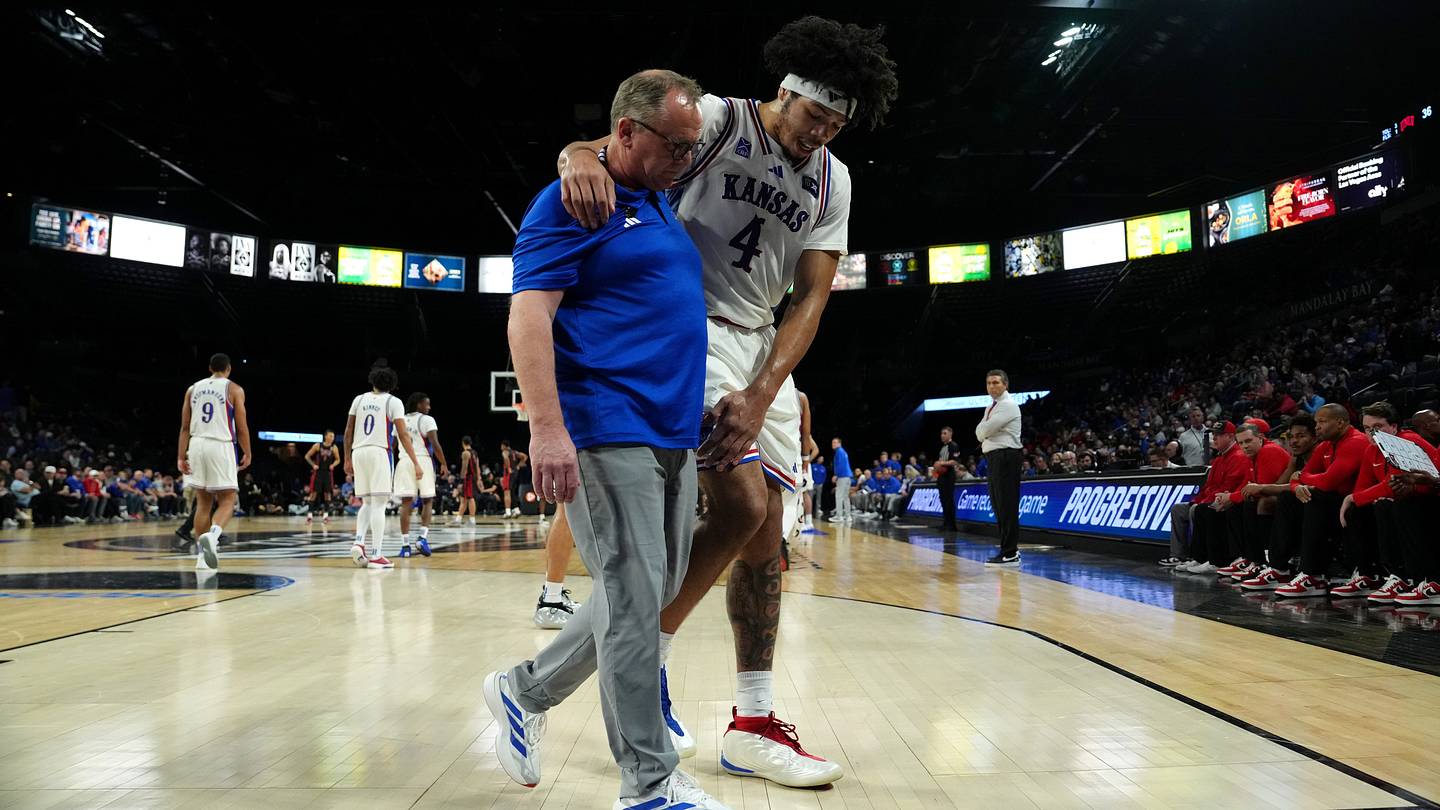
Kansas’ Tyran Stokes Has Bone Bruise, Questionable for Players Era Semifinal vs. West Virginia
Kansas freshman Tyran Stokes avoided a serious knee injury and is questionable for Wednesday night's Players Era semifinal...
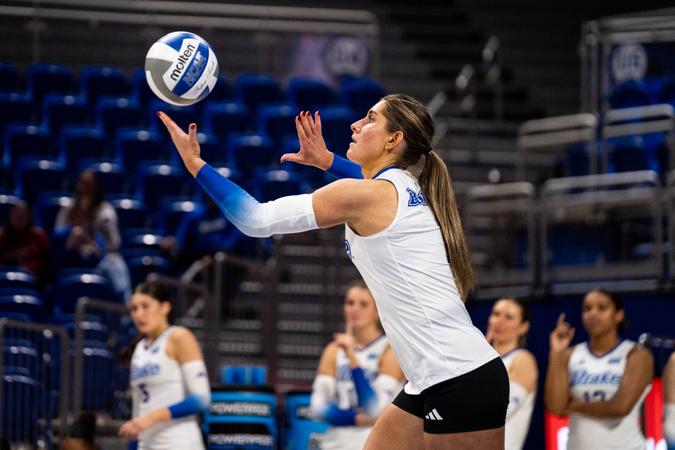
Drake Volleyball Sweeps Illinois State to Reach MVC Semifinals
Drake volleyball swept Illinois State in the Missouri Valley Conference Tournament quarterfinals Wednesday at the Knapp Center, advancing...

City Council Probes Mayor’s Financial Stewardship After CFO Resigns
Chicago’s third chief financial officer in a year resigned last week rather than, she said, “compromise my integrity...

CPA Costs in Idaho: Fee Models, Price Drivers, and What Your Engagement Letter Should Include
Idaho business owners face a wide spectrum of CPA fees driven by entity complexity and the condition of...