Cross-Border Claims and New Hampshire Legal Rules
In a detailed advisory on regional liability rules, Muggeo & Associates reported that motorists and visitors hurt while traveling across New Hampshire face distinct statutory frameworks compared to neighboring jurisdictions. The firm noted that individuals from Massachusetts who are injured while working, shopping, commuting, or vacationing across the border frequently face unique state laws regarding filing deadlines and insurance requirements.
According to the firm’s legal overview, most personal injury actions in New Hampshire must be brought within a three-year window under RSA 508:4. However, claims involving ski areas, public entities, and specific other defendants carry shorter notice or filing requirements.
Heavy Traffic Corridors and Common Accident Sites
The practice highlighted several high-volume transit routes where cross-border collisions regularly occur. Interstate 93 through Salem and Windham, the Everett Turnpike, Route 3 in Nashua, Interstate 293 in Manchester, and Interstate 95 along the Seacoast all carry heavy vehicular traffic.
Local retail corridors and secondary roads also see substantial incident rates. Route 28 in Salem and commercial parking lots in Nashua frequently experience turning traffic and parking-lot crashes. Meanwhile, northern destinations introduce entirely different operational hazards, including ski and snowboard accidents, boating accidents, and motorcycle crashes across mountain roads.

Comparative Fault and Insurance Differences
New Hampshire operates under a modified comparative fault standard governed by RSA 507:7-d. Under this rule, an injured person’s financial recovery is reduced by his or her share of fault, and any plaintiff whose share of fault is greater than the fault of those being sued is barred from recovering damages.
Insurance structures also diverge sharply from neighboring states. Unlike Massachusetts, New Hampshire does not mandate that every driver carry liability insurance, nor does it maintain a Personal Injury Protection system. Consequently, a motorist’s own uninsured and underinsured motorist coverage, along with medical payments coverage, can matter a great deal after a New Hampshire crash.
Furthermore, state regulations dictate that drivers must generally file a written report with the New Hampshire DMV within 15 days of any crash involving injury, death, or significant property damage, unless police investigated it.
Business Litigation and Legal Services in Salem
Muggeo & Associates maintains an office in Salem, Massachusetts, offering more than 50 years of combined experience across business litigation, workers’ compensation, and personal injury matters.
Clients have noted the firm’s structured approach to complex commercial and civil disputes.
Common Questions About Cross-Border Injuries
Which state law applies to a Massachusetts resident hurt in New Hampshire?
The law of the state where the accident occurred generally governs the main issues. However, insurance questions may depend on where your policy was issued, as a Massachusetts auto policy may still provide some coverage for a New Hampshire crash.
What options exist if an at-fault driver has no insurance?
Injured motorists should check their own policy for uninsured motorist coverage and provide prompt notice to their insurer. A claim directly against the driver may also be possible.

Penn State Men’s Volleyball Announces 2027 Schedule
Penn State men's volleyball officially released its 2027 schedule on Monday, launching a new era under first-year head...
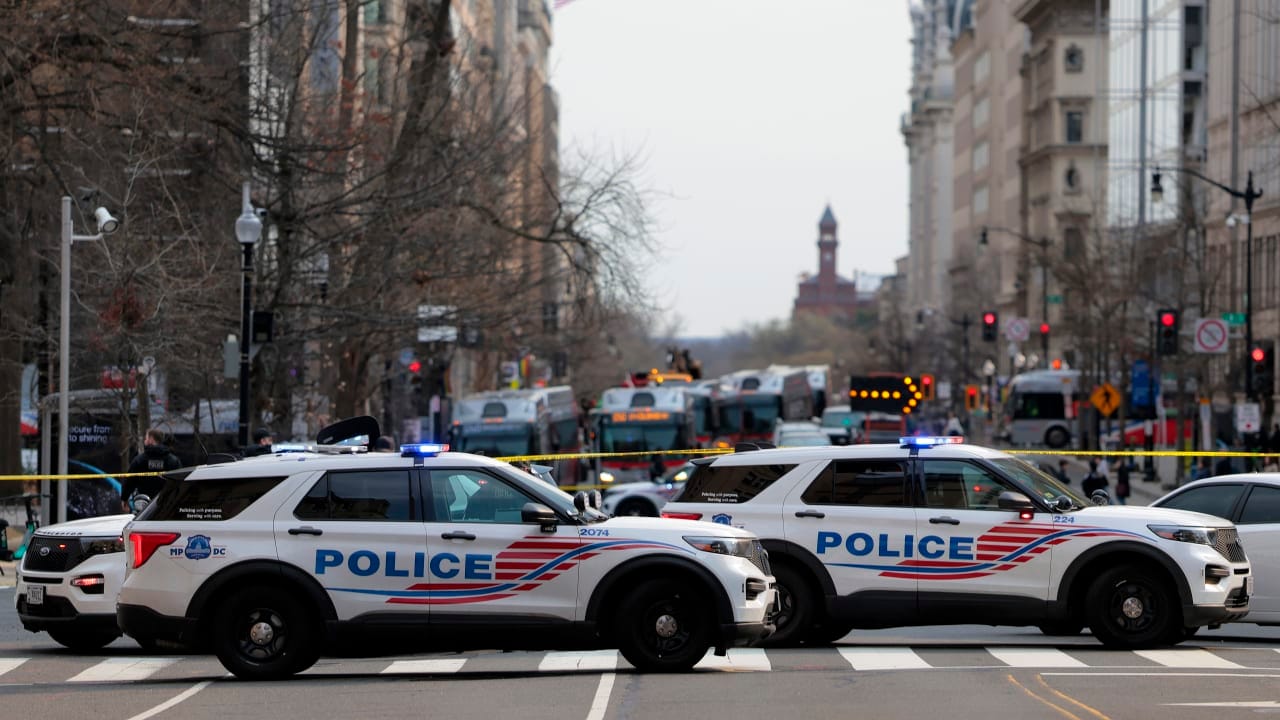
JShield Issues Statement After Virginia Man Arrested at DC Synagogue
A 32-year-old Virginia man was arrested on Saturday morning after attempting to enter the Washington Hebrew Congregation in...

SIFC to Host Warmth Drive Through December 4, 2026
As the temperatures drop across Southern West Virginia, the Southern Impact for Christ (SIFC) organization is launching a...

Ofa Matagi Leads in House District 43 as Utah Democrats Gain Seats
Utah House Democrats and unaffiliated candidates are on pace to capture 15 seats from House Republicans, shattering a...