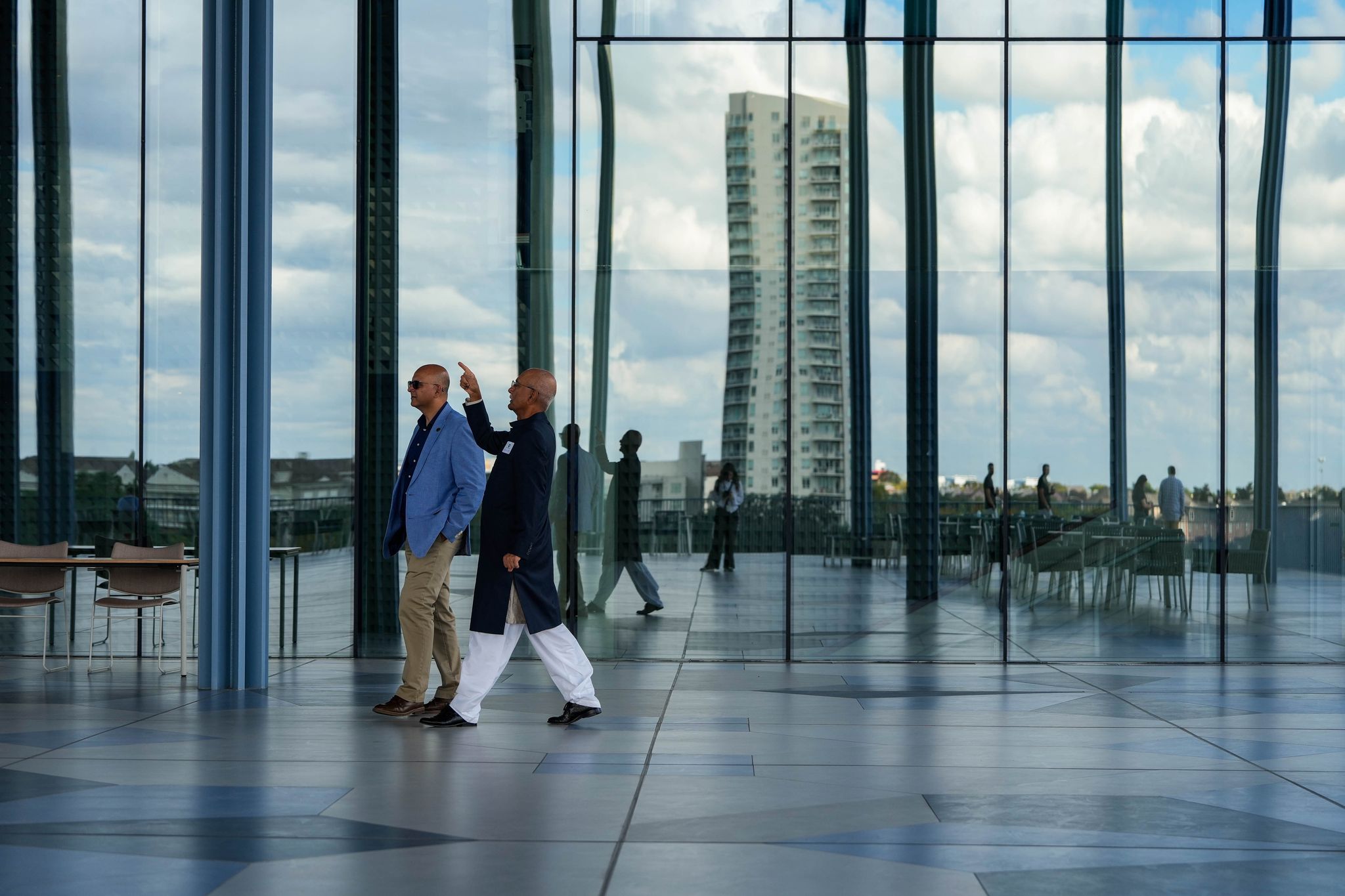
Muslim early-voter turnout in Houston surged to 16,423 this year from 9,524 in 2022, a 72 percent increase, CAIR-Action reported Saturday.
The spike followed a midterm cycle in which Republican campaigns used images of Muslim religious dress in negative ads and attacked plans for new mosques, community leaders told Houston Chronicle. The Secretary of State’s office has not yet released full Election Day data.
Around 8,000 people attended the 13th annual Islamic Arts Festival at the Ismaili Center in Montrose on Nov. 21, a mix of Muslims and non-Muslims. The 150,000-square-foot center, with stone lattices and glassy pools, hosts yoga, movie nights, history seminars and tenant-advocacy town halls year-round.
“When people encounter one another as neighbors, it becomes harder to reduce a whole community or a whole type of people into just a stereotype,” said Farah Lalani, a representative for the center. She has lived in Houston for over three decades and said the city’s Muslim community has grown more engaged in religious, interfaith and political work.
Emran Gazi, president of the Islamic Society of Greater Houston, helped run voter-registration drives at mosques across the city. “I think this year was a turning point,” he said. He has never seen the Muslim community more politically active since he moved to Houston in 1980.
Sameeha Rizvi, government affairs and legislative manager for CAIR-Action, a 501(c)4 affiliate of the Council on American-Islamic Relations, attributed the mobilization to anti-Islam rhetoric, the humanitarian crisis in Gaza and cost-of-living pressures.
“The fire has been lit within our community to be more involved and engaged,” she said. She urged Muslims to keep showing up at city council meetings and protests.
The election also brought a milestone: Letitia Plummer became the city’s first Muslim county judge.
Gazi encouraged Muslims to stay engaged in politics and work to improve life for everyone in their community. Looking ahead to Ramadan early next year, he said he hopes celebrations will be more peaceful and joyful than ever.
At the festival’s close on Saturday, rapper and poet Omar Offendum told the audience that performing was both a privilege and a responsibility.
“We believe in the power of art, in its ability to break down barriers and misconceptions and show the world the beauty of our cultures,” he said. He highlighted Muslim contributions including the first roasting and brewing of coffee beans in Yemen.
Despite calling out those who lump him with terrorists or denigrate his immigrant heritage, his tone remained optimistic. “Look, that’s why I keep my boots out, waiting by the door,” he rapped. “But you can never tear my roots out, of this you can be sure.”
Keep reading
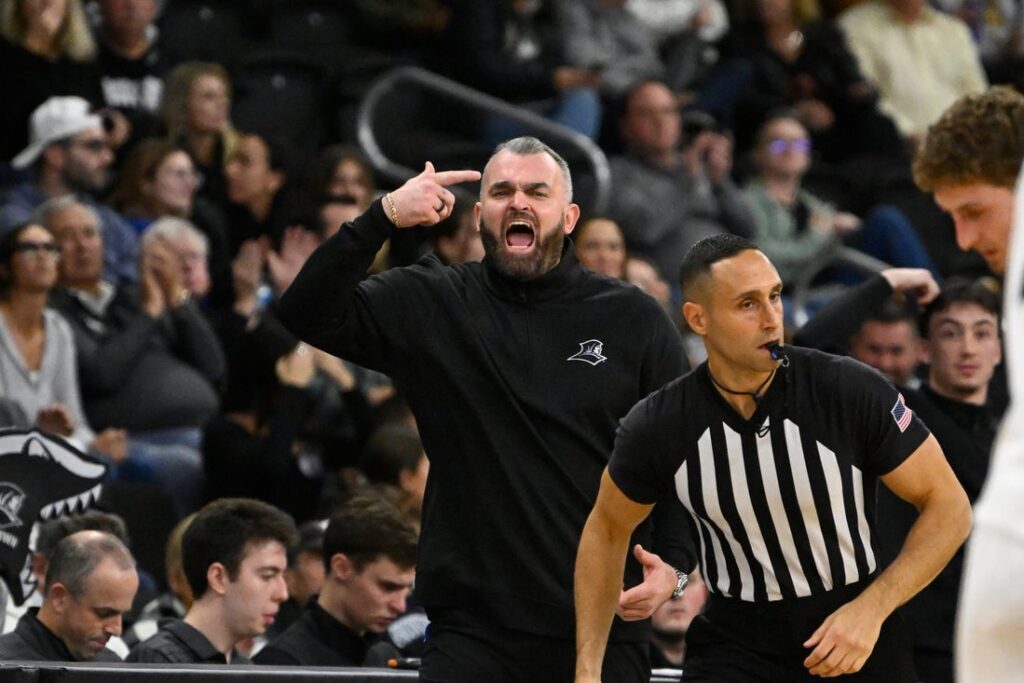
Providence, No. 19 BYU Play Maui Third-Place Game After Semifinal Losses
Providence plays No. 19 BYU on Wednesday in the Maui Invitational third-place game in Lahaina, Hawaii, after the...
Texas Families Urge Supreme Court to Hear Ten Commandments Law Challenge Despite AG Refusal
Texas families challenging the state's Ten Commandments classroom law urged the U.S. Supreme Court to hear their case...

West Hartford Police Arrest Bloomfield Man After Three Evasions; Seize Ghost Gun, 566.4 Grams Marijuana, Ammo
West Hartford police arrested a 20-year-old Bloomfield man Tuesday after he fled three attempted traffic stops, seizing a...

New York Times Bars Photoshop 2027 Over AI Metadata Tags
The Times bars Photoshop 28.0.0 and later on assignments, effective immediately. Content Credentials metadata may identify photographs as...