
Omaha’s commercial real estate market remains fundamentally healthy, according to Kristi Andersen, president of NAI NP Dodge.
While certain sectors face shifts in vacancy and pricing, the metro area continues to see development activity across retail, office, and industrial sectors, Grow Omaha reported.
In a November 7, 2026, interview with Grow Omaha, Andersen joined Jeff Beals and Trenton Magid to break down third-quarter market trends. The discussion highlighted high-quality office demand and a concentrated surge of activity in West Omaha and the downtown urban core.
The office market is currently outperforming many comparable cities. Tenants are increasingly prioritizing newer, high-quality spaces that offer proximity to various amenities. This shift suggests a flight to quality, where businesses trade older footprints for environments that support modern work preferences.
Development is heavily concentrated in the western portions of the metro. Broadmoor Hills, located southwest of 180th and Dodge, is seeing its first retail strip move forward. Nearby, office activity continues to gather strength near Heartwood, while the area surrounding Avenue One remains a focal point for new projects.
Omaha’s commercial market stays strong. Kristi Andersen, president of NAI NP Dodge, discusses office, retail and industrial trends, west Omaha growth and downtown’s future. Watch the interview: https://t.co/B5cCMtKNXO
The medical sector is also expanding in the suburbs. A newly occupied medical and wellness building near 193rd Street and HWS Cleveland Boulevard has recently opened, though Andersen noted that additional space remains available for lease.
Industrial trends show a more nuanced picture. While the market remains active, there has been a modest increase in industrial vacancy rates. Andersen also noted some softening in asking prices for these properties. Much of this is tied to the massive volume of new industrial space currently under construction along the Highway 50 corridor.
Optimism for the downtown core is anchored by several massive, overlapping projects. The transformation of the urban center is being shaped by the Mutual of Omaha tower, the Duo redevelopment, and the Builders District. Other significant contributors include Millwork Commons, the new soccer stadium, and the expansion of the convention center.
Andersen emphasized that density and walkability are the primary drivers of downtown’s vitality. By developing projects between existing destinations, the city creates a more connected urban feel.
“Density and walkability… development between destinations makes downtown feel more connected,” Andersen said.
Infrastructure improvements at the airport are also expected to bolster the urban core by increasing the flow of both residents and visitors. While the market has discussed the possibility of a third convention hotel, Andersen clarified that such a project is currently an idea circulating in the market rather than a confirmed development.
For businesses looking to establish a presence, several specific opportunities are currently active. Commercial leasing remains available in the Capitol District and the Old Market. A property at 1402 Howard Street, situated directly across from the current police headquarters, is available for sale or lease.
The current market trajectory reflects a city balancing suburban expansion with a concerted effort to densify its center. While industrial supply continues to catch up with demand, the retail and high-end office sectors appear to be providing a stable foundation for the metro’s economic growth.
Worth a look

St. Paul’s Episcopal Church in Salt Lake City Prepares for Sanctuary Centennial
St. Paul's Episcopal Church prepares for 100-year sanctuary milestone “It's a giant mess because we're just kind of...
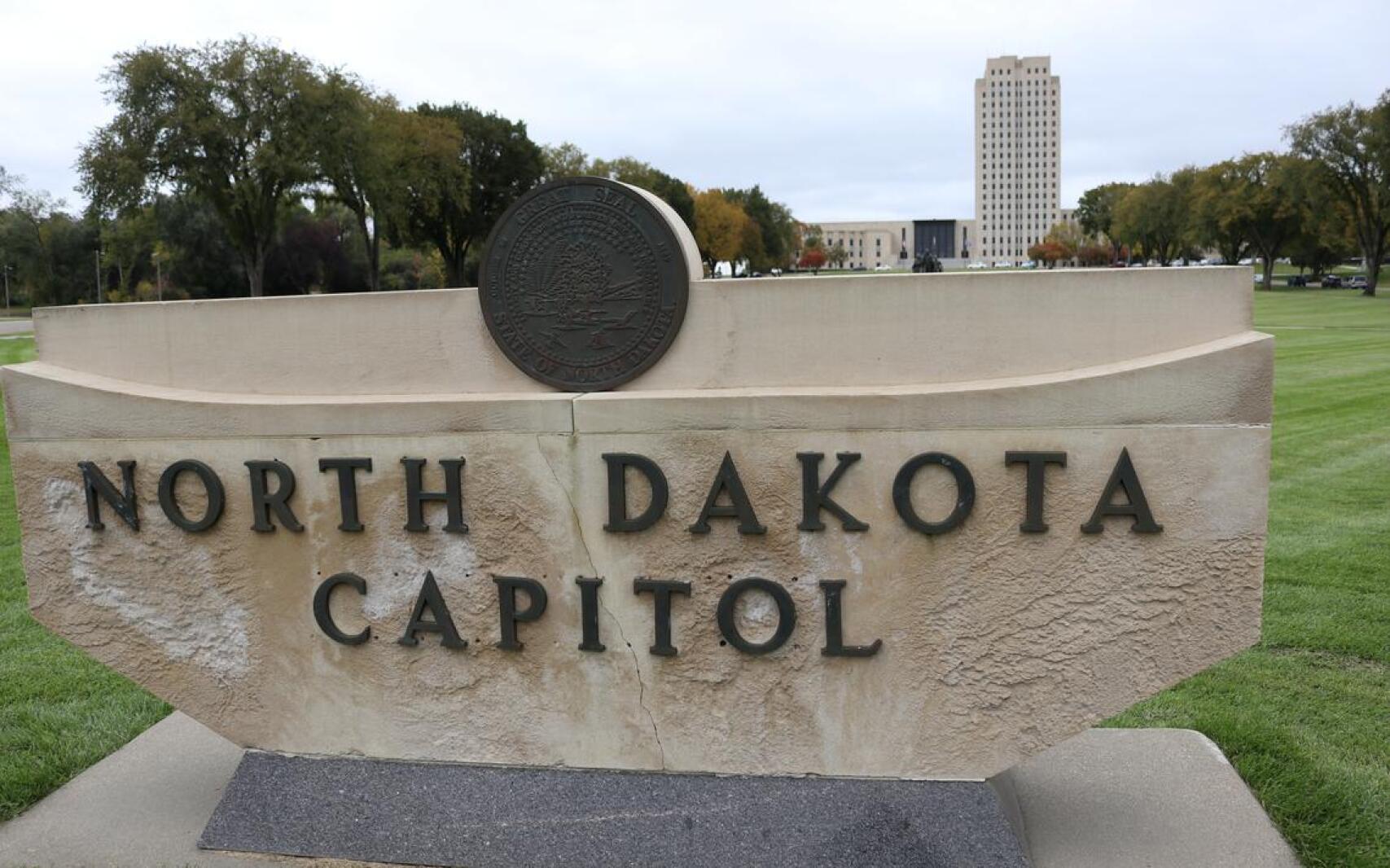
North Dakota to Honor Traffic Crash Victims on Nov. 13
Bismarck to host memorial for North Dakota traffic crash victims North Dakotans will gather at the State Capitol...

Pro-Israel Counter-Protesters Oppose Anti-Zionist Bike Rally
Hundreds of pro-Israel counter-protesters gathered around Philadelphia’s Rittenhouse Square on Sunday morning, November 8, 2026, to oppose a...

Salem University Men’s Water Polo Wins Two at Erie Classic
The Salem University men's water polo team secured two victories during the WWPA Erie Classic weekend, finishing with...