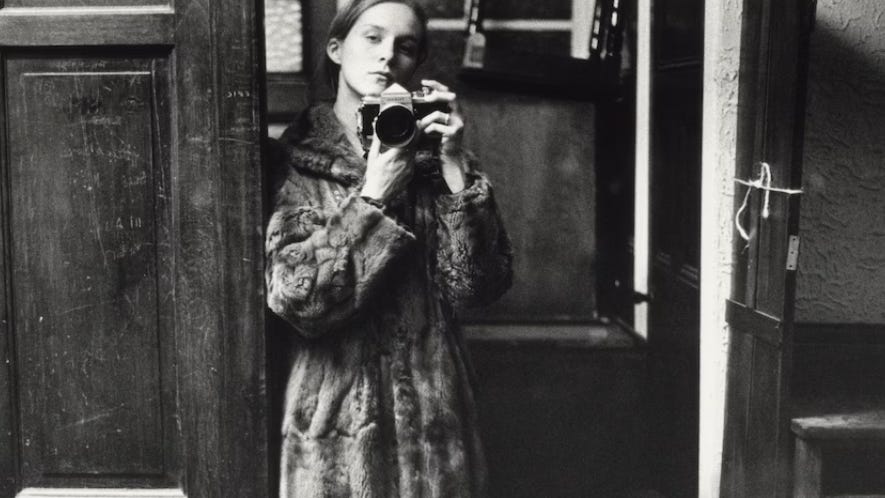
From a pool of more than 15,000 negatives gathered across 980 rolls captured on her Diana camera from 1970 to 1976, Nancy Rexroth chose 70 images to feature in IOWA (1977).
That artistic journey is the subject of the first installment of a new three-part series, which explores three distinct artists who each visited their own private Iowas, transforming the American heartland into a dreamscape of desire and memory.
Born in 1946 and raised in a Virginia suburb of Washington, D.C., Rexroth found her artistic footing after moving to Athens, Ohio, in 1969 to enroll in the master’s program in photography at Ohio University.
“I realized there was a real vibration going on there, a sort of pulse, a clear palpable feeling that was happening in this area,” Nancy Rexroth told Ann Segal, describing the surrounding rural area as a decaying landscape.
That energy fueled her work, which is currently featured in a career retrospective running at the Cincinnati Art Museum with special emphasis on the 1977 collection IOWA.
Rexroth achieved her major technical breakthrough when one of her professors came across a cheap plastic toy camera called the Diana and gave students an assignment with it.
By any conventional standards, it’s a lousy instrument for taking pictures. The apparatus did not correct uncertainty; it gave uncertainty form.
“When I was photographing, it seemed that I was awake and dreaming at the same time,” Nancy Rexroth told Blake Andrews in a 2011 interview, noting she went somewhere into her own private landscape of needing and longing.
Florence “Flossy” Young, Rexroth’s mother, served as a frequent subject in the photographer’s early work. Born in Iowa as the daughter of a Methodist minister, Florence posed for her daughter many times.
In a photograph from this period, the mirror behind them only shows Florence and not Nancy, which deepens the impression that the blurry second figure isn’t really or fully present. Appearing either as a departed child or as the spirit of her own past self, she seems to haunt her mother.
Mark L. Power explained in his introduction to IOWA that the book’s title refers to her childhood past, a memory from the times the Rexroth family would periodically leave their Virginia home to visit their Midwestern relatives. Transmuted through the Diana camera, those days became autumnal, Pre-Raphaelite dreams.
Rexroth told Blake Andrews that Iowa ultimately became a state of mind that could exist anywhere. As she noted in her preface to IOWA, it remains a strange land where déjà vu is an everyday occurrence.
Worth a look

Obituaries: Emmett Patrick Dalgarn II, Peter James Rodolph, and Cheryl Lynn Schnepf
Three Casper residents who shaped local industries, community projects, and family life are being remembered following their recent...

Why Madison Keys Predicts Mirra Andreeva Will Reach World Number One
Mirra Andreeva reached the WTA Finals singles final after defeating Jessica Pegula, maintaining a flawless debut at the...

Garth Brooks Returns to Seattle with Blame It All on My Roots Tour
Garth Brooks returned to Seattle proper for the first time in nearly three decades, launching a four-night run...
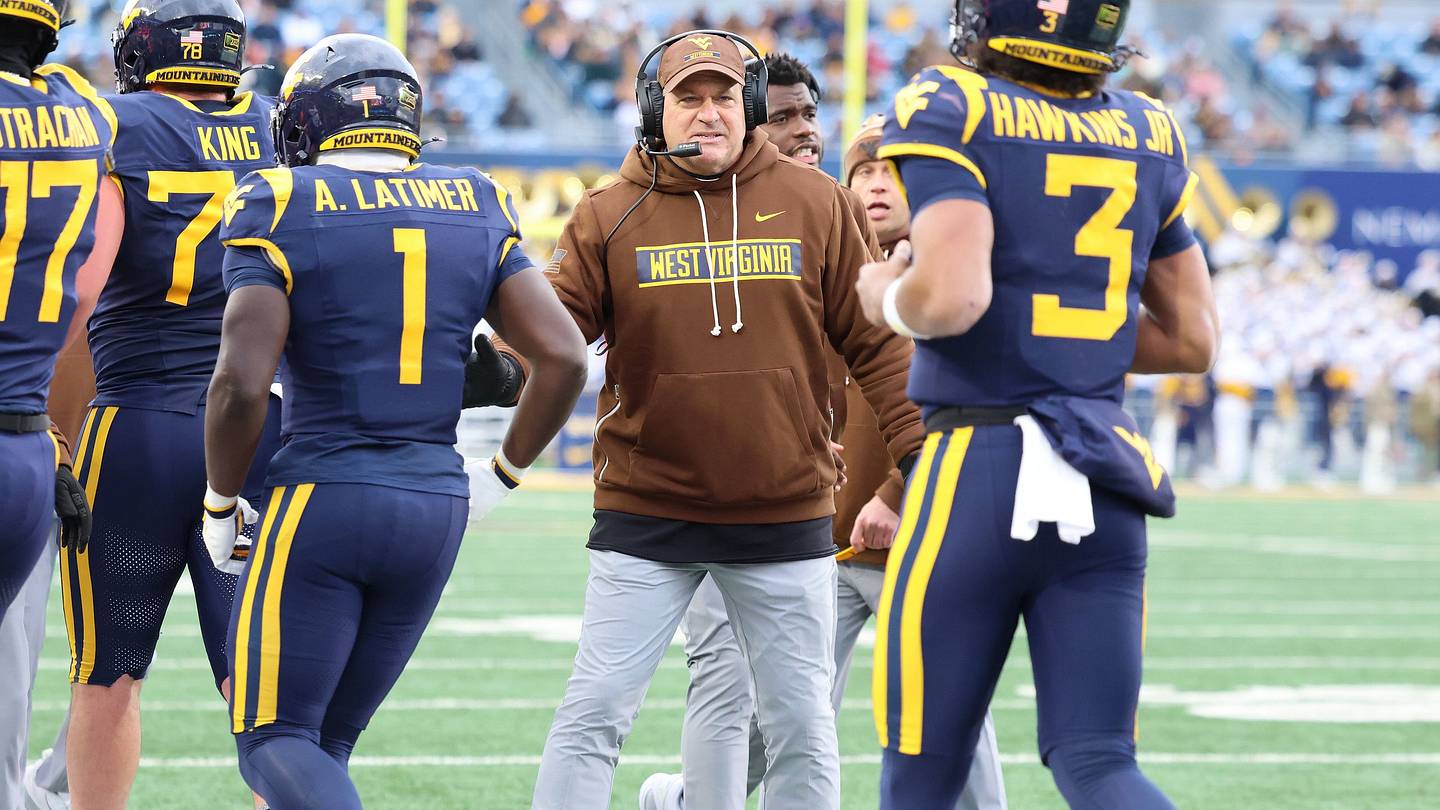
Rich Rodriguez Blames Coaching Failures After West Virginia Loss
Following a 37-14 defeat against the Kansas Jayhawks on Saturday evening, West Virginia head coach Rich Rodriguez did...