
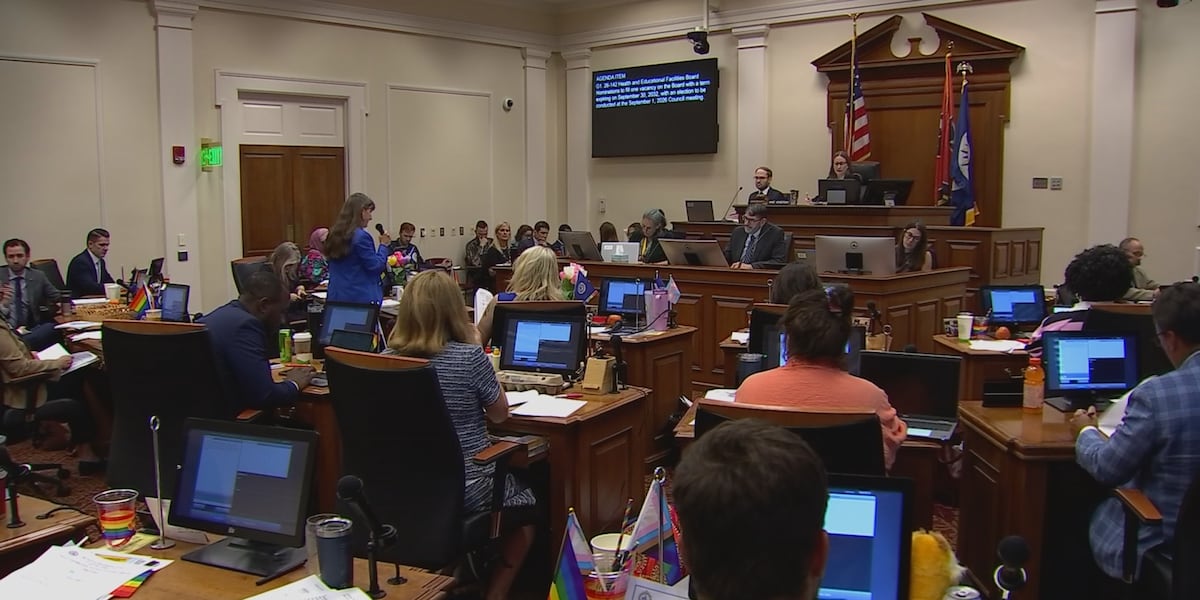
Nashville voters may get the final word on reshaping their Metro Council after the Tennessee Supreme Court upheld a state law forcing the 40-member body to shrink by half.
The court’s unanimous Nov. 2 ruling ended a three-year legal fight, affirming a 2023 law that caps metropolitan councils at 20 members. Nashville is the only consolidated government in the state affected. Mayor Freddie O’Connell said the city is past the point of his preference — that Nashvillians could decide their own council size under the Metro Charter — but he wants the council to have all available information to follow the law.
The decision upends a structure voters approved in 1962 when they adopted the Metro Charter. The current council comprises 35 district representatives and five at-large members. Under the cap, districts would grow significantly larger, potentially diluting the direct access residents have come to expect.
“Nashvillians like the fact that you can call your elected official, text, see them at the grocery store. We’re very accessible.”
Charter Revision Committee Chair Clay Capp called the state’s action undemocratic and said the committee would spend weeks hashing out details, including the mix of district and at-large seats. Councilmember Bob Nash outlined one scenario: a 20-member council with 17 district members and three at-large members.
Metro Legal Director Tyler Yarbro advised that changing the charter requires a referendum, meaning voters must approve any new structure.
In 2015, Nashville voters rejected a ballot measure that would have reduced the council from 40 to 27 members while extending term limits from two terms to three. The current law demands an even steeper cut, down to no more than 20.
Yarbro clarified that the state law sets no deadline for compliance. That leaves open the possibility that Nashville could elect another 40-member council in 2027 while leaders continue working toward a smaller body. Yet some state lawmakers want the reduction done by the August 2027 election. Henderson said she expects the issue to return to the General Assembly when it reconvenes in January.
The committee aims to start public listening sessions by December, with Councilmember Jeff Preptit suggesting at least five sessions across north, south, east, west and central Nashville. Other members raised concerns about ensuring residents who cannot attend meetings still have a voice.
The council cap was one of four laws Nashville challenged in 2023 after Gov. Bill Lee signed a series of bills that reduced local control. On the same day, the Supreme Court also upheld a law stripping city control of the Nashville airport board, giving the majority of seats to state officials. A third suit, over state control of the sports authority board, remains ongoing.

House Majority Leader William Lamberth, who sponsored the original council-cap bill, celebrated the ruling on X: “Big win for small government and common sense. Well done @AGTennessee and grateful for the wisdom of the TN Supreme Court.”
Metro Council will hold a special meeting Nov. 13 to discuss the ruling. The timeline for a potential special election or a vote during the next scheduled election remains undecided. With no final decision on when voters could head to the polls, it is still unclear when Metro Council will get smaller.
Keep reading

Tennessee Tech Hangs With Mississippi State, Falls 34-16 in Starkville
Mississippi State won 34-16 Saturday at Davis Wade Stadium. Tennessee Tech held the ball for nearly 41 minutes...
ESPN Highlights Dominated by Gambling Disclaimers and Privacy Notices
ESPN published a highlight package of the Delaware Blue Hens versus New Mexico State Aggies matchup, but the...

Providence Mission Hospital Trauma Team Urges Parents to Research E-Bikes
"I don't want everybody to think that we're trying to be against them. We're not," said Georginne Mercado,...

Edward Casmere Joins Norton Rose Fulbright as Co-Head of Litigation and Disputes
Edward Casmere has joined Norton Rose Fulbright’s Chicago office as a partner and will serve as Co-Head of...