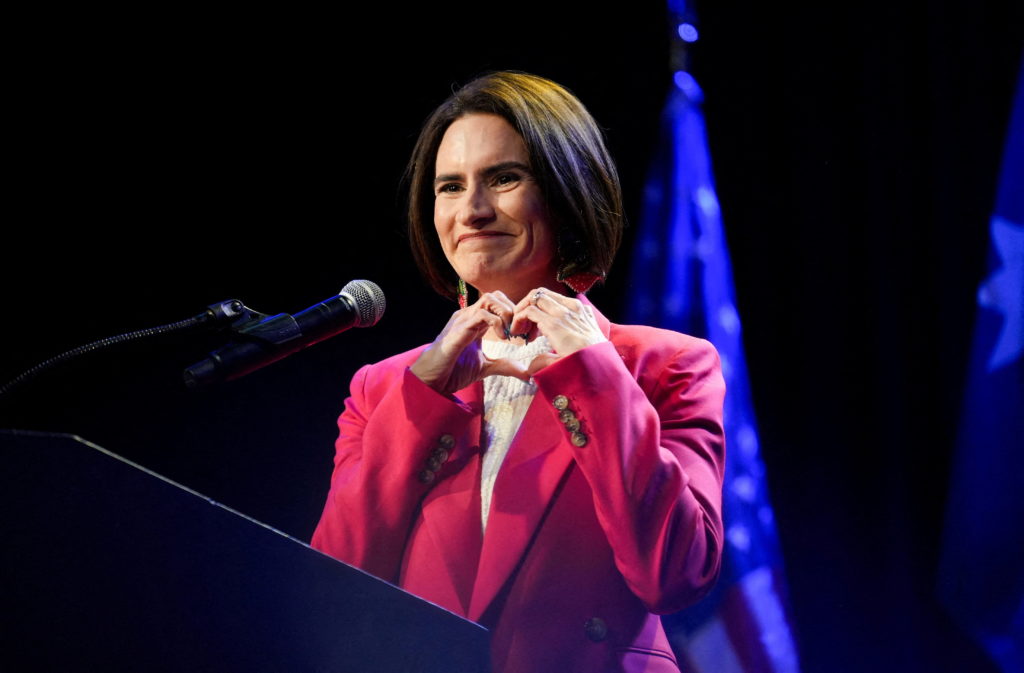
“This is a win for all Navajo women,” Crystalyne Curley told The Associated Press.
Curley has been elected as the first woman president of the Navajo Nation, breaking a century-old pattern of male leadership in the tribe’s centralized government. The victory, occurring during the 2026 midterm elections, arrives alongside several other historic firsts for Native American women in state and federal offices, according to reports from PBS News, CBS News, and ABC News.
The election changes the political direction of the Navajo Nation, which holds the largest land base of any federally recognized tribe. Spanning 27,000 square miles across Arizona, New Mexico, and Utah, the nation is the second largest in population, trailing only the Cherokee Nation in Oklahoma.
Breaking the gender barrier in tribal governance
Since the establishment of the modern Navajo government under federal pressure over a century ago, the presidency has been held exclusively by men. While some community members believe traditional teachings prohibit women from holding these top positions, others point to the matrilineal structure of Diné society as a reason why women’s leadership is a natural fit.
Jennifer Nez Denetdale, a professor of Diné studies at the University of New Mexico, observed that the language of tradition is often used both to discourage female leadership and to argue that such leadership is necessary. Curley, who narrowly defeated attorney Justin Jones in the unofficial results, noted that she faced sexist rhetoric during her campaign.
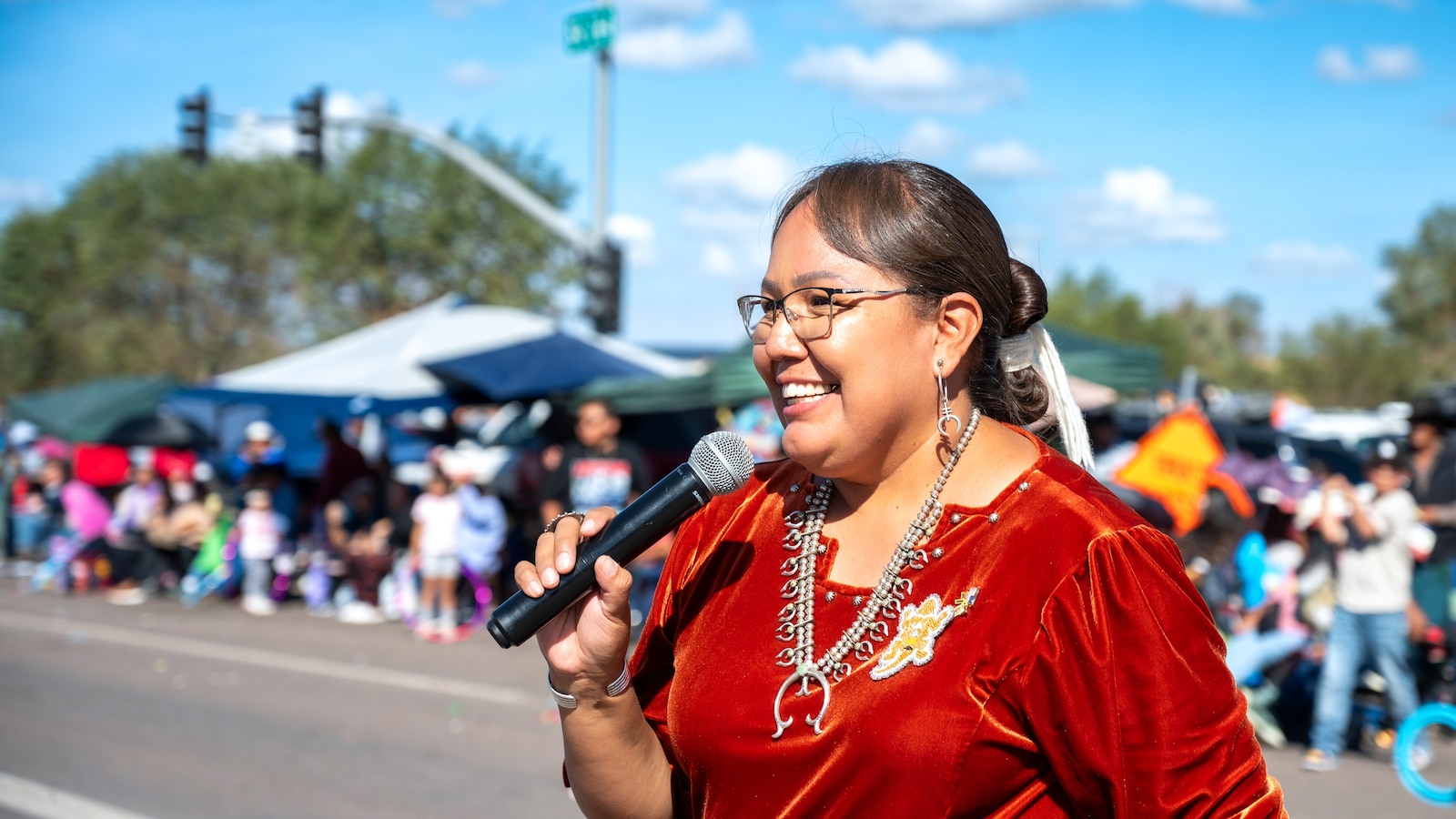
“As women, we have to work twice or triple as hard, especially within Navajo politics,” Curley said.
Curley previously served as the first female speaker of the tribal council. Alongside her running mate, Chris Deschene, she intends to lead the Navajo Nation away from coal development—a historical economic pillar—and toward a more prominent role in national federal Indian policy discussions when they take office in January.
Milestones in state and federal halls of power
The momentum for Native women extended into statehouses and the U.S. Senate. In Minnesota, Peggy Flanagan, a citizen of the White Earth Nation, was elected to the U.S. Senate. Flanagan, who has served as lieutenant governor since 2019, defeated Republican Michele Tafoya, according to CBS News.
In New Mexico, Deb Haaland, a citizen of the Laguna Pueblo, was elected governor. Haaland, who previously served as the first Native American to lead a U.S. Cabinet agency as Interior Secretary, defeated Republican Gregg Hull. She is the first Native American woman to win a state governorship.
The impact of these wins is being felt across different levels of representation:
| Name | Tribe/Nation | Office Won |
|---|---|---|
| Crystalyne Curley | Navajo Nation | President |
| Peggy Flanagan | White Earth Nation | U.S. Senator (MN) |
| Deb Haaland | Laguna Pueblo | Governor (NM) |
| Tina Abrams | Seneca Nation | President |
Flanagan’s victory is particularly notable in the context of the U.S. Senate, where only four Native people have served in the chamber’s 230-year history, all of whom were men. If Mary Peltola wins her unsettled Senate race in Alaska, three Native people will serve in the Senate at once for the first time.
In the U.S. House of Representatives, Sharice Davids, a Ho-Chunk citizen, won reelection in Kansas. Claire Valdez of the Ysleta del Sur Pueblo and Sean McCann of the Citizen Potawatomi Nation became the first Native Americans elected to represent their respective states in Congress.
The human stakes of representation
For many of these leaders, political involvement is rooted in personal struggle and community service. Haaland, known as “Auntie Deb” in parts of Indian Country, spoke to voters about her humble beginnings, including raising her daughter alone and relying on food stamps. She has campaigned on making life more affordable for New Mexicans and protecting universal child care.
Flanagan, who grew up in Section 8 housing and dealt with childhood asthma, has focused her platform on healthcare and progressive policies, including “Medicare for All.”
Jordan James Harvill, a Cherokee Nation citizen and strategist with the advocacy group Advance Native Political Leadership, described the election results as a “seismic shift” in Native communities. He noted that decades of organizing are finally yielding results.
“For young Native girls across Indian Country, these victories send an important message: their voices matter, their leadership is essential, and they belong wherever possibilities are reimagined,” said Larry Wright Jr., Executive Director of the National Congress of American Indians. Director Larry Wright Jr
While these victories are historic, they face immediate challenges. Haaland has promised to address education outcomes and the cost of living in New Mexico, including an executive order to pause the construction of large-scale data centers until legislative guardrails are in place. Curley faces the task of restoring order to a tribal government she describes as having experienced a period of dysfunction.
Lene Bitsui, who supported Curley, admitted to feeling pessimistic about whether the Navajo people were ready for a female president before the vote. “I was wrong, and I feel so happy to have been wrong,” Bitsui said.
Worth a look

How to Watch Seahawks vs. Cardinals: TV Channel, Time, and Live Stream Info
The Arizona Cardinals face the Seattle Seahawks today, November 8, 2026, at 2:25 p.m. MST. Fans can watch...

Fairfield Dominates Vermont 74-50 in America East-Metro Challenge
The Fairfield Stags defeated the Vermont Catamounts 74-50 on Sunday afternoon at Leo D. Mahoney Arena, marking the...

No. 9 Arizona State Beats Utah With Season-High 18 Blocks
No. 9 Arizona State secured its ninth victory in the series against Utah with a 3-1 win on...

No. 19 Texas Tech Hosts No. 3 Illinois on Tuesday
No. 19 Texas Tech faces No. 3 Illinois in Lubbock Texas Tech enters Tuesday night's matchup against No....