
Sports fans have said, “This is our year,” at the beginning of every season for every sport since the dawn of man.
For the Utah Jazz, the 2026-27 season was actually supposed to be their year. Through four painful seasons, the Jazz lost a grand total of 211 games in search of an elusive young superstar to lift their franchise from an endless tank. Utah finally claimed that prize at the end of those rebuilding years with a star guard out of Kansas named Darryn Peterson.
The timing arrived as the NBA enacted anti-tanking protocols and installed lottery reform intent on de-incentivizing the act of losing on purpose. Teams have far less incentive to tank this season, especially early on, because the owners of the four worst records hold a statistically lower chance of getting the number-one overall pick than teams finishing 5th through 8th from the bottom.
That adjustment is one of two reasons why Utah is off to such a slow start. The other factor involves having a heavily injured roster while most teams remain at or near full strength.
As a result, the Jazz sit at the bottom of the Western Conference standings with an abysmal Sacramento team through their first 11 games.
Utah holds a 1-11 record through 11 games for the 2026-27 season. That performance trails their previous four rebuilding campaigns at this same juncture:

- 2022-23: 8-3
- 2023-24: 4-7
- 2024-25: 3-8
- 2025-26: 4-7
- 2026-27: 1-11
The Jazz are not tanking intentionally. Utah lacks any reason to minimize its competitive edge, having been barred from a top-four pick after drafting second overall this summer and owing its pick to Memphis regardless of final standings.
Three of five starters remain out with prolonged injuries. Things may deteriorate further before they improve.
The Jazz stand only a month or two away from full strength, barring further injury.
A Play-In appearance remains a reasonable goal this season. Should the Jazz rally and finish with a top-10 record in the Western Conference, Utah retains hope of building on that success.
Keep reading
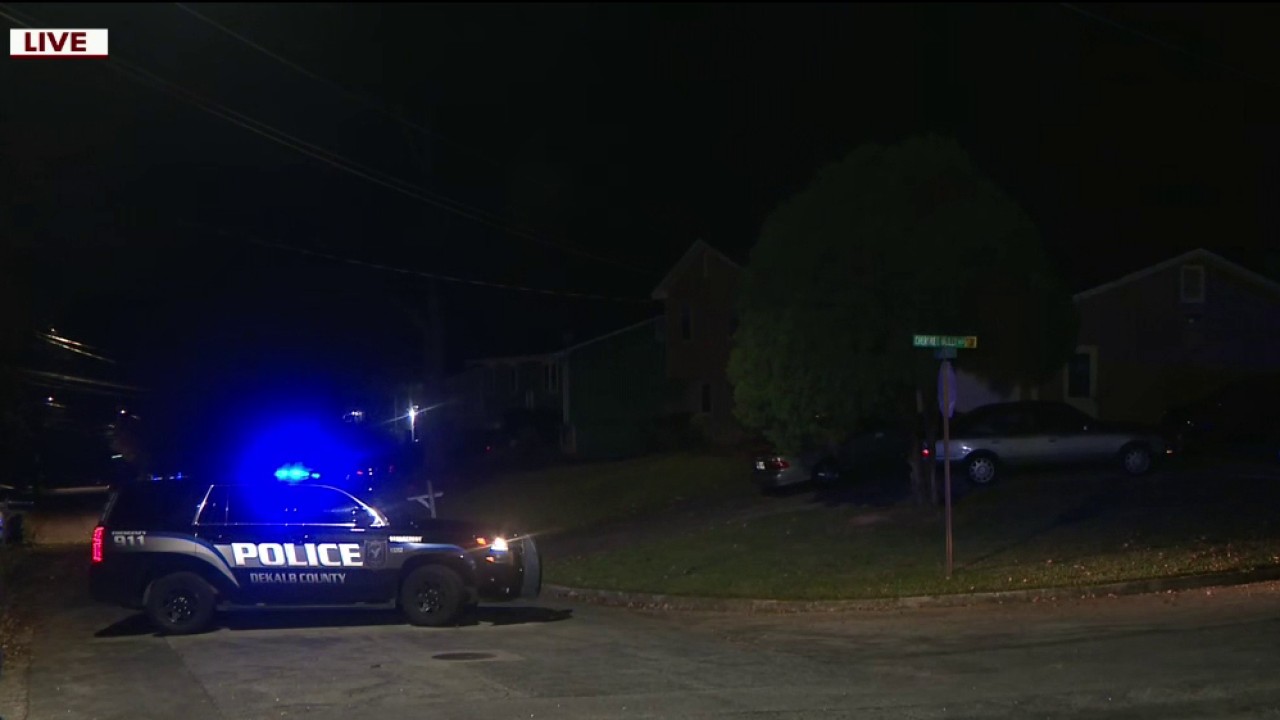
Early Morning Gunfire Reported in DeKalb County | FOX 5 Atlanta
Early morning gunfire in DeKalb County has left residents on edge as local authorities begin their investigation into...

$3,200 Monthly Rent for 2,825 Sq Ft House in Plano ISD
Priced at $3,200 per month, a single-family rental at 2808 Tallahassee Ct in Plano enters the Collin County...

Tim Aldinger Appointed to California Ocean Science Trust Board of Trustees
California Natural Resources Secretary Wade Crowfoot appointed Tim Aldinger to the Board of Trustees of the California Ocean...

Eleven Connecticut High School Football Teams Unofficially Qualified for 2026 CIAC Playoffs
Eleven Connecticut high school football teams unofficially secured their postseason berths across the six playoff divisions entering Thursday's...