Nevada Assembly member Selena La Rue Hatch is drafting legislation that would let residents connect certified plug-in solar systems to household outlets without full utility interconnection review. The proposal aims to give renters and apartment dwellers a lower-cost path to on-site generation, Yahoo reported.
Plug-in solar units — sometimes called balcony solar — use small panels and an inverter to feed alternating current into a home circuit through a compatible outlet. The electricity offsets what the household draws from the grid. Unlike rooftop arrays, these systems require no permanent structural changes, making them usable for tenants and homeowners who cannot install traditional panels.
Utah started the trend
Utah became the first state to pass legislation allowing qualifying plug-in solar systems to connect directly to household outlets in spring 2025. Since then, the idea has spread rapidly. Nevada Current reported on November 20, 2026, citing Bright Saver’s legislative tracker, that legislators in 11 states had enacted plug-in solar laws while 23 additional states and Washington, D.C., had introduced comparable measures.
Momentum in neighboring states
California Gov. Gavin Newsom signed that state’s plug-in solar bill on September 30, 2026, with the law taking effect January 1, 2027. New York lawmakers approved the SUNNY Act in 2026 and sent it to the governor. Massachusetts saw both chambers pass versions of a plug-in solar measure this year that went to a conference committee.
“Neighboring states are already moving toward allowing plug-in solar systems,” La Rue Hatch said. “Nevada residents should have access to the same technology instead of being left behind.”
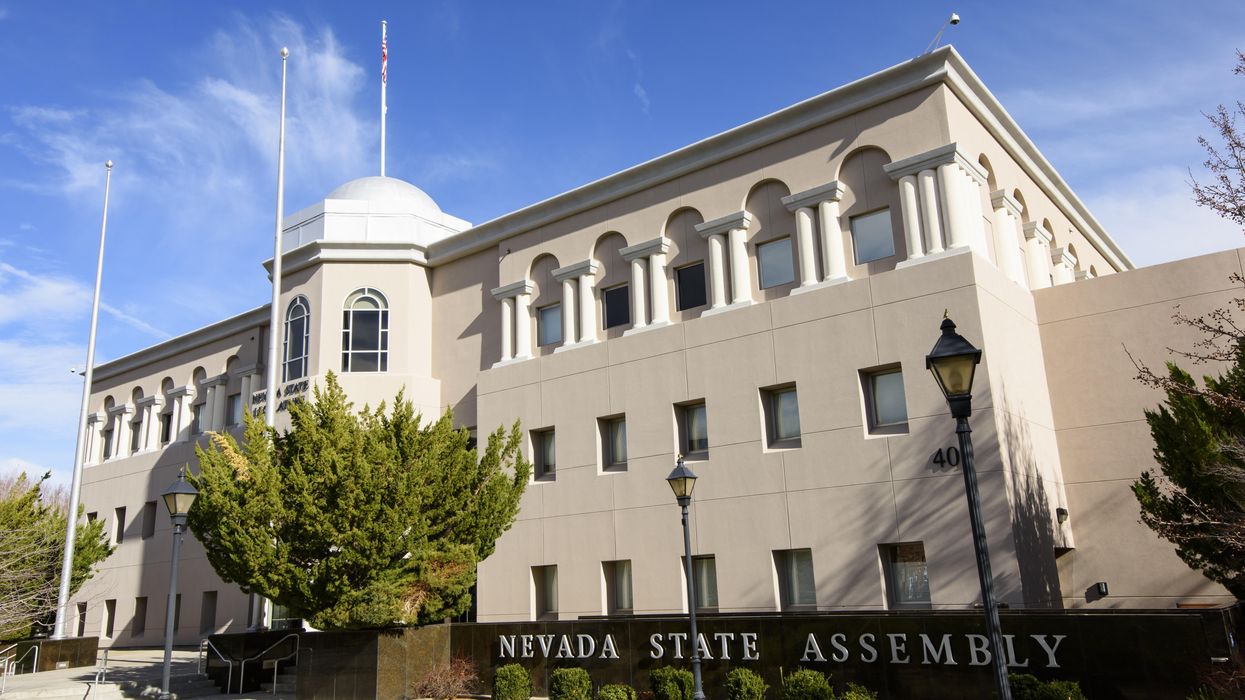
Bill draft request filed for Nevada proposal
The Nevada proposal remains in the drafting phase. La Rue Hatch submitted a bill draft request in April and hopes to pre-file the measure so its language becomes public in December 2026 or January 2027.
The current framework would allow safety-certified systems up to about 1,200 watts to bypass local utility approval after an electrician’s screening. Smaller units, potentially those under 390 watts, could receive exemptions from certification and building-wiring requirements applied to larger systems. Final limits and conditions may change before introduction.
Safety standards emerging
UL Standards & Engagement released safety criteria known as UL 3700 in December 2025. In January 2026, UL Solutions launched a testing and certification program for plug-in solar equipment. NV Energy, the state’s main regulated electricity provider, said it is monitoring developments to understand potential benefits and risks, citing product safety, equipment operation, and grid effects as concerns.
Assemblywoman Selena La Rue Hatch, a Democrat representing District 25 in Washoe County since her election in November 2022, sits on the Natural Resources Committee where she has advanced climate legislation including a measure to phase out fluorescent light bulbs.
She has also prioritized education reform, sponsoring bills to eliminate burdensome Student Learning Objectives paperwork and to make geography a high school graduation requirement, arguing students need deeper global awareness to compete economically.
By the numbers
Nevada generated 15,912 gigawatt-hours of solar electricity in 2025, ranking fifth among U.S. states. The U.S. Energy Information Administration reported that small-scale solar installations generated about 24% of all solar electricity in the United States in 2025.
Worth a look

Bills Beat Chiefs 13-10 on Bass 57-Yard Field Goal as Time Expires on Thanksgiving
Tyler Bass drilled a 57-yard field goal as time expired to lift the Buffalo Bills over the Kansas...

Olivet University Gains Accreditation for 20 Programs After Missouri Campus Move
Olivet University secured accreditation for 20 academic programs this month, five months after its main campus moved from...
Trump to Attend TSMC Arizona Groundbreaking Dec. 4 Amid Nvidia CEO Reinstatement
President Trump will attend the groundbreaking for a new Taiwan Semiconductor Manufacturing Co. chip foundry in Phoenix on...

Emmer Says GOP Failed to Level With Voters on Economic Turnaround Time
House Republicans lost both chambers of Congress this month, leaving President Trump without unified legislative control for the...