Nevada requires workers’ compensation coverage the moment a business hires its first employee, and commercial auto minimums start at $25,000 per person and $50,000 per crash for bodily injury. State contractors, liquor license holders and convention vendors face additional bond and liability mandates that vary by license type and venue.
JPG Insurance compiled the requirements from Nevada statutes and licensing board rules, checking each against primary sources on November 11, 2026. The Nevada Small Business Development Center (SBDC) separately outlines the six most common policies new owners ask about, including general liability, business interruption and professional liability coverage.
Who must carry workers’ compensation?
Any employer with even one employee under a contract of hire — written, oral or implied — falls under the law, and minors count as employees (NRS 616B.633; NRS 616A.105). A sole proprietor with no employees is not required to cover themselves but may elect to (NRS 616B.659). Corporate officers and LLC managers can reject coverage for themselves in writing, but that rejection never extends to employees (NRS 616B.624).

What exemptions exist?
In construction, subcontractors and their employees are treated as employees of the principal contractor (NRS 616A.210). Outside construction, a principal is protected only with a written contract requiring the contractor to carry coverage, proof of that coverage, no construction project involved, and the contractor in a different line of work (NRS 616B.639).
Penalties include six years of unpaid premiums plus interest
The state can charge an uninsured employer up to six years of unpaid premiums plus interest. The state can also order all operations at the business or job site to stop until coverage is obtained (NRS 616D.110).
Auto liability limits start at $25,000 per person
The DMV accepts only policies from Nevada‑licensed insurers, allows no grace period, and warns a one‑day lapse can trigger suspension and reinstatement fees. For‑hire passenger carriers regulated by the Nevada Transportation Authority need at least $1.5 million for vehicles seating up to 15 and $5 million for 16 or more; freight‑only carriers need at least $750,000 (NAC 706.191).
Contracts and permits often impose a $1 million combined single limit — for example, the City of Las Vegas requires it for special event permits with a waiver of subrogation, and the Las Vegas Convention Center requires an auto liability certificate for contractor permits. An umbrella policy can sometimes satisfy the gap if the contract allows it.
State Contractors Board requires license bond up to $500,000
A license bond or cash deposit of $1,000 to $500,000, set by license type, monetary limit and size of operations (NRS 624.270); if the bond lapses, the Board can deny, suspend or revoke the license. Proof of workers’ compensation for employees, or an affidavit of no employees and no subcontractor work (NRS 624.256).
Residential contractors pay a biennial Recovery Fund assessment that pays certain homeowner claims (NRS 624.470). The Board’s published requirements list bonds and financial statements, not general liability, though general contractors, owners, lenders and public agencies routinely require liability, auto, workers’ comp and often an umbrella before work starts.
How does liquor liability work for bars and restaurants?
Nevada’s dram shop law shields sellers who serve alcohol to someone 21 or older from civil liability for damage that person causes after drinking (NRS 41.1305). Landlords, shopping centers and resort properties commonly require liquor liability coverage anyway.
Certificates cannot amend coverage under Nevada law
Working inside a Las Vegas resort, convention hall or city event typically requires a certificate of insurance before site access. Naming a client as additional insured on the certificate alone is insufficient; the endorsement must be on the policy. The City of Las Vegas asks special event permit holders for general liability of $1 million per occurrence and $2 million aggregate, auto liability of $1 million combined single limit, and workers’ comp with $1 million employer’s liability — each with a waiver of subrogation and a 30‑day notice of cancellation, on an ACORD 25 certificate naming the City and Las Vegas Metro as additional insureds.
The Las Vegas Convention Center requires a permit with a certificate showing general liability, auto and workers’ comp; the company name on the permit must match the insured name on the certificate exactly. Casino and resort properties set their own vendor requirements in contracts.
Which licensing boards mandate errors and omissions coverage?
Reserve study specialists: professional liability or a surety bond of at least $1 million (NAC 116A.425). Private investigators and security companies: third‑party liability coverage of at least $200,000 (NRS 648.135). Many other boards and client contracts require E&O even when the state does not.
Is general liability required by state law?
Apart from the licenses above, Nevada law does not require most businesses to carry general liability.
The Nevada SBDC lists the six most common policies new owners ask about: general liability, product liability, business income coverage, commercial property, workers’ compensation and commercial auto, plus professional liability for service providers.
Many insurers bundle general liability, business income and commercial property into a Business Owner’s Policy. The SBDC recommends comparing policies before pricing, reading policies thoroughly, researching provider ratings, and working with an SBDC advisor at no cost.
JPG Insurance and the Nevada SBDC both advise confirming current rules with the relevant agency or agent before relying on them; laws change and this guide is general information, not legal advice.
Related reading
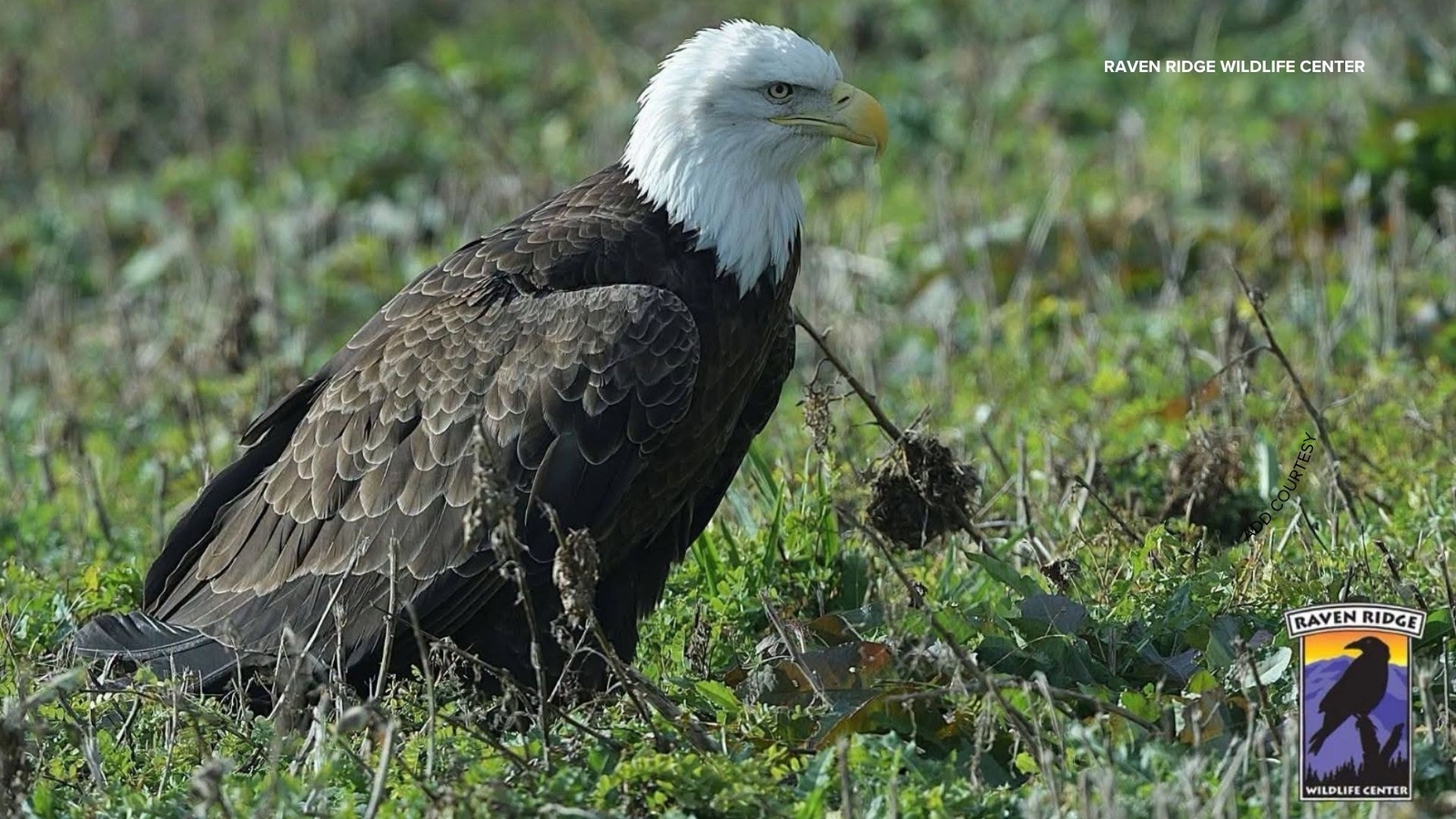
Bald Eagle Euthanized After Extreme Lead Poisoning at Pennsylvania State Park
"Please understand, this is NOT normal behavior for a bald eagle. If you can walk up to a...

Southeastern Men Open SLC Play vs UIW Saturday After Mayan Division Title
Southeastern Louisiana University’s men’s basketball team will open Southland Conference play Saturday afternoon against the University of the...

Arkansas Must Retain Joker Johnson and Lewis for 2027 Season
Arkansas coach Ryan Silverfield faces a critical offseason after the Razorbacks doubled their win total but suffered six...

Eric Morris Explains Oklahoma State Extension: ‘Never Coached for Money’
Oklahoma State announced Wednesday a contract extension for football coach Eric Morris that runs through 2032 and is...