“This optional pilot will make it easier for businesses to connect with resources so they can focus on operating, growing, and staying here,” said Lisa Swarthout, Chair of the Nevada County Board of Supervisors.
Beginning in November 2026, a voluntary business license pilot program will launch for businesses in unincorporated Nevada County. The program costs $50 per year and will run for three years, with periodic evaluations of its effectiveness.
The optional license is accessible to approximately 1,000 physical and home-operated businesses in communities including Alta Sierra, Chicago Park, Higgins Corner, Hills Flat, North San Juan, Peardale, Penn Valley, Rough and Ready, Town Talk, and You Bet, where business licenses are not currently mandatory.
According to the county’s Economic Development Office, they typically receive 5-10 inquiries monthly from businesses looking for a license to assist with obtaining financing, grants, and contracting opportunities.
Kimberly Parker, Economic Development Program Manager, said the program would create a business directory and improve emergency communications. “If we have a business license program, then I have kind of a business directory,” Parker said.
“I have a way to communicate with people in case of an emergency or in case of something really specific happening that you as a business owner would want to know and be able to prepare for.” The license also aims to enhance a business’s credibility and legitimacy with clients and vendors.
The proposal was brought to the Nevada County Contractors Association (NCCA) prior to the board of supervisors approving it. NCCA Executive Director Tom Last stated its members were not in favor of another possible fee but did not take an official stance since the program is voluntary.
“Our association members were not too enthused about potentially having to be forced to pay another fee to operate within the county, but because of its non-mandated process, the association didn’t take an official position on it,” Last said. He said that if the program becomes mandatory after the pilot, the association would likely become more involved.
The program does not affect commercial cannabis businesses, which have had their own licensing program for seven years, according to Diana Gamzon, Executive Director of the Nevada County Cannabis Alliance.
While voluntary, obtaining a license comes with practical downsides. Registering may trigger mandatory tax filings or assessments, and applying often requires zoning clearance, which could impose home-occupation restrictions for businesses based at home. Failure to renew or cancel a license can result in late fees and delinquency notices.
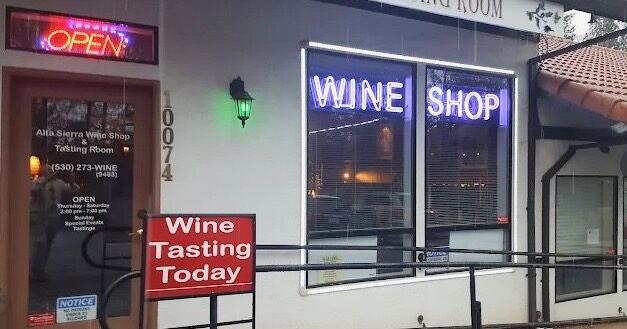
Dana Price, owner of the Alta Sierra Wine Shop, said she would consider the license if it boosts her business’s visibility. “That’s always something I’m interested in, especially if I’m listed somewhere where people can see what kind of business I have,” Price said.
The program aligns with the Board of Supervisors’ designation of 2026 as the Year of Small Business and aims to help the county better understand and communicate with its business community.
Related reading
- Portland Indigenous Marketplace Opens Ninth Annual Black Friday Market
- No. 5 Tennessee at Vanderbilt: TV, Time, Streaming Info
- Hyundai Unveils Mercury Concept EV at Guangzhou Show; Ioniq M Launch Set for H1 2026 (archyde.com)
- 3 Business Credit Card Mistakes That Could Hurt Your Personal Credit (newsarchyuk.com)
Customers Camp Six Days for Free Guns at Warwick Store
Customers camped for six days outside a Warwick gun shop in a nor'easter for free firearms, WJAR reported....

Portland Indigenous Marketplace Opens Ninth Annual Black Friday Market
Portland Indigenous Marketplace opened its ninth annual Black Friday market on Friday across two Portland locations, running through...

No. 5 Tennessee at Vanderbilt: TV, Time, Streaming Info
No. 5 Tennessee plays at Vanderbilt on Saturday, November 28, at 7 p.m. Eastern from FirstBank Stadium in...
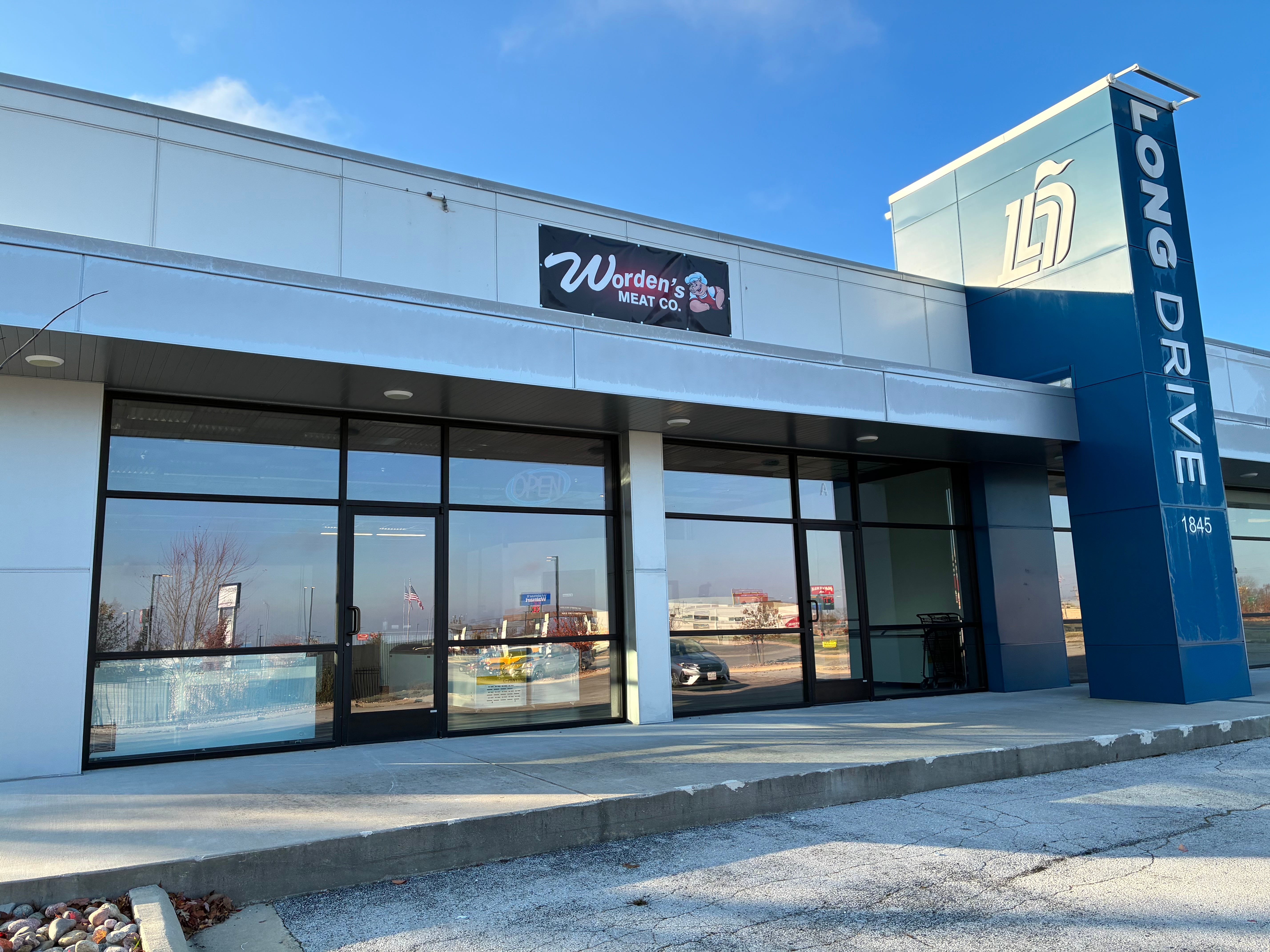
Worden’s Meat Company Opens Second Springfield Location
Worden's Meat Company opened its second Springfield storefront at 1845 E. Turner St. on Nov. 25, expanding a...