Nevada’s per-pupil funding formula is forcing districts to confront midyear budget cuts as enrollment declines, a reversal from the growth years that shaped the 2019 law.
The formula ties quarterly state payments to average daily enrollment, so districts building budgets on prior-year projections absorb the shortfall when actual counts come in lower. Clark County School District (CCSD) faced a $50 million reduction in September after enrollment fell more than projected, prompting Gov. Joe Lombardo (R) to approve emergency funding to bridge the gap until the 2027 legislative session.
“When I think of those displaced, surplused or forced into retirement last spring, I can only say what an infuriating and immeasurable loss for the students who need their dedication the most,” said Cristal Porter, a teacher at Howard Wasden Elementary, at a Sept. 28 press conference. CCSD and the Commission on School Funding are advancing bill draft requests that would base funding on a single count date — Oct. 1 of the prior school year — or the percentage increase over the previous three years, whichever is greater. The change would align the base formula with the weighted-funding categories that already use that date.
“At the end of the day, this isn’t about avoiding the inevitable,” CCSD Chief Financial Officer Justin Dayhoff said during an Oct. 29 interview. “If we’re in declining enrollment, we still have to address that, but what it would allow us to do would be to address that in the spring rather than the fall.”
The Nevada Department of Education prefers a four-quarter average based on the calendar year, which would be available when districts build budgets. Funding for the 2027-28 year would rest on the 2026 four-quarter average, eliminating the quarterly true-up process that can require districts to repay the state.
“Whatever method is used needs to be able to work in the long run for an enrollment declining environment and an enrollment growing environment, or an environment where some of the districts are growing and some are declining,” said Guy Hobbs, chair of the Commission on School Funding, at its Oct. 23 meeting.
The Guinn Center for Policy Priorities projects a 1.6 percent enrollment drop between 2023 and 2031, a decline that may arrive sooner. Its report suggests allowing students who qualify for multiple weighted categories — English learners, gifted and talented, at-risk — to draw funding for each weight.
Hobbs said the commission wants to wait until Nevada’s per-pupil average closes 90 percent of the gap with the national average before adopting multi-weight funding, warning it could shrink base allocations for all students. Gov.-elect Aaron Ford (D) did not respond to a request for comment on the proposals. The 2027 legislative session will decide which approach becomes law.

Cheyenne Council Passes Farm Code Clarification, Rejects Animal and Right-of-Way Measures
Cheyenne City Council approved an ordinance clarifying agricultural rules in the city’s Unified Development Code but rejected two...
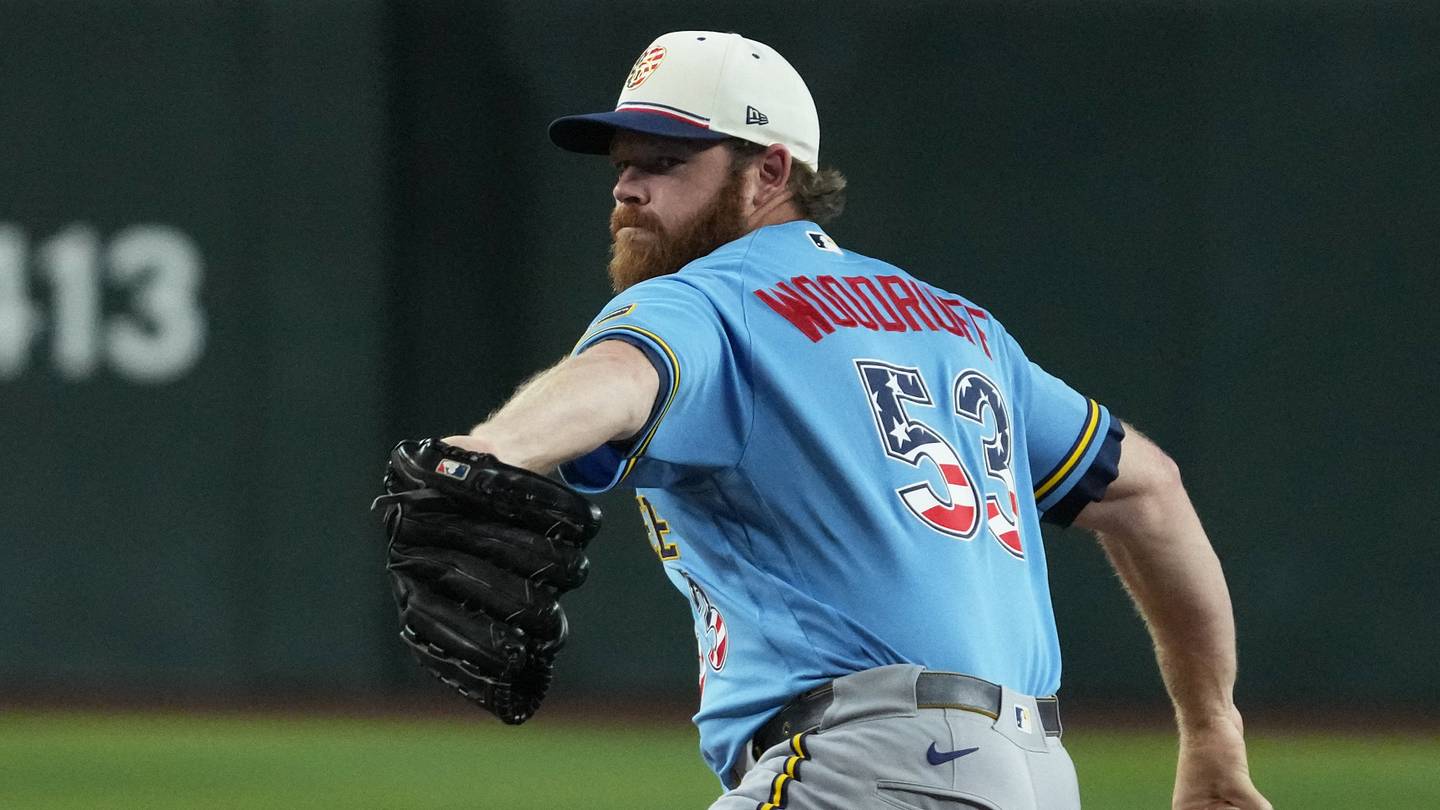
Woodruff Plans to Pitch in 2027, Talks With Multiple Teams Including Brewers
Milwaukee Brewers pitcher Brandon Woodruff said Wednesday he plans to pitch in 2027 after winning a World Series...

Michigan State Visits Rutgers With Last-Place Finish on the Line
Michigan State (3-8, 1-7 Big Ten) visits Rutgers (3-8, 2-6) on Saturday with the loser finishing alone in...

Illinois Towns Have Home Prices Below $319,900 Median
The median listing price for a home in Illinois reached $319,900 in October 2026, according to Realtor.com. Danville's...