
Nevada real estate licensees must provide a written disclosure of duties owed to each party they represent and to any unrepresented party in a transaction, according to a standard form published by the state division.
The document, identified as Form 525, states it does not constitute a contract for services nor an agreement to pay compensation. It requires the licensee’s name and license or permit number, along with the client’s name and whether the licensee acts for the seller or landlord, or the buyer or tenant.
Licensees owe all parties a duty not to deal in a manner that is deceitful, fraudulent or dishonest, and to exercise reasonable skill and care. They must disclose material and relevant facts about the property and each source of compensation as soon as practicable.
To clients, licensees owe additional duties including carrying out the brokerage agreement, preserving confidential information for one year after termination, and seeking transactions at the price and terms stated in the agreement or at a price acceptable to the client. All offers must be presented as soon as practicable unless the client signs a waiver on a form prescribed by the Division.
If a broker assigns different licensees to separate parties, each licensee must not disclose confidential information relating to their client except to the broker. The form notes a licensee may or may not act for parties with adverse interests in the future; if they do, a conflict of interest exists and a “Consent to Act” form must be signed before proceeding.
Worth a look
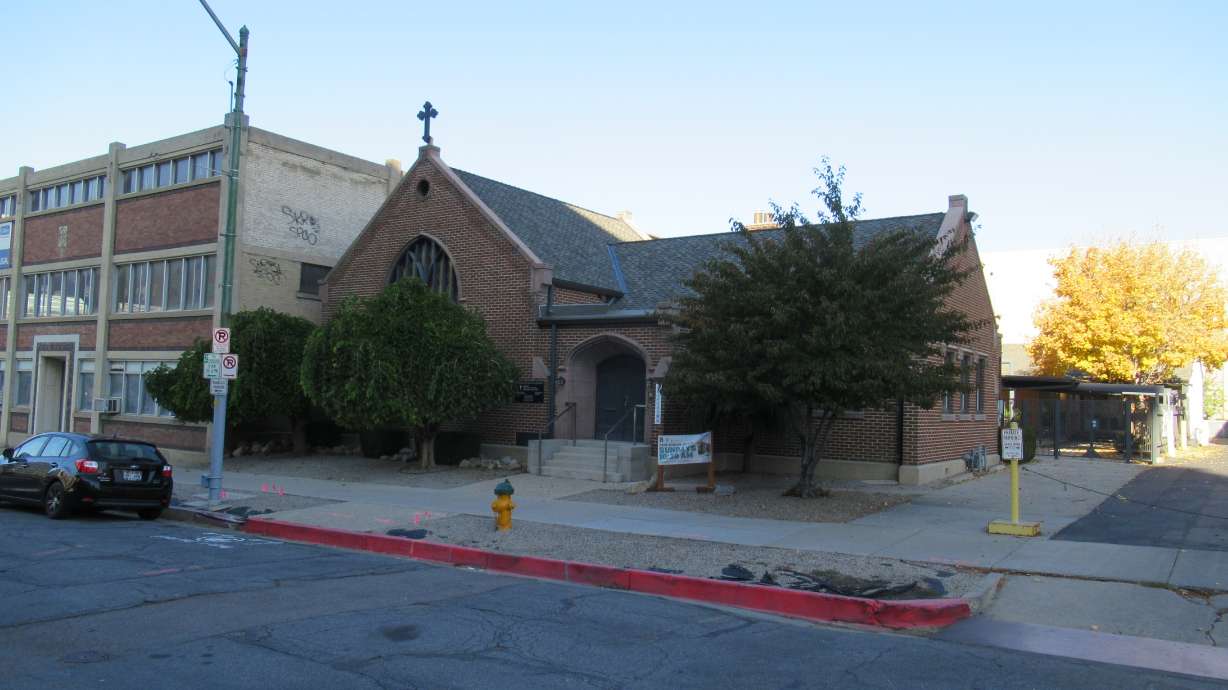
Japanese Church of Christ Finds 1924 Time Capsule, Last Anchor of Salt Lake City Japantown
The Japanese Church of Christ has stood at 268 W. 100 South for more than 102 years. The...

Hurricanes Visit Rangers for First of Three Meetings in 16 Days at Madison Square Garden
The Carolina Hurricanes visit the New York Rangers for a 12:30 p.m. matinee at Madison Square Garden on...
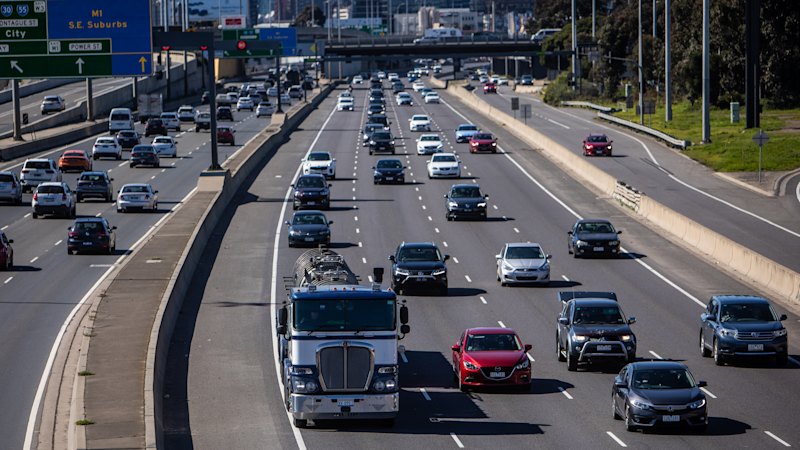
Grattan Institute Urges Support for Refineries and Mining Diesel Cuts
The Grattan Institute urged the federal government Sunday to extend taxpayer support for Australia’s last two oil refineries...
LSP Troop A Investigating Two Fatal Crashes in West Baton Rouge, East Feliciana Parishes
Louisiana State Police Troop A announced Friday it is investigating two fatal crashes that occurred Thursday in West...