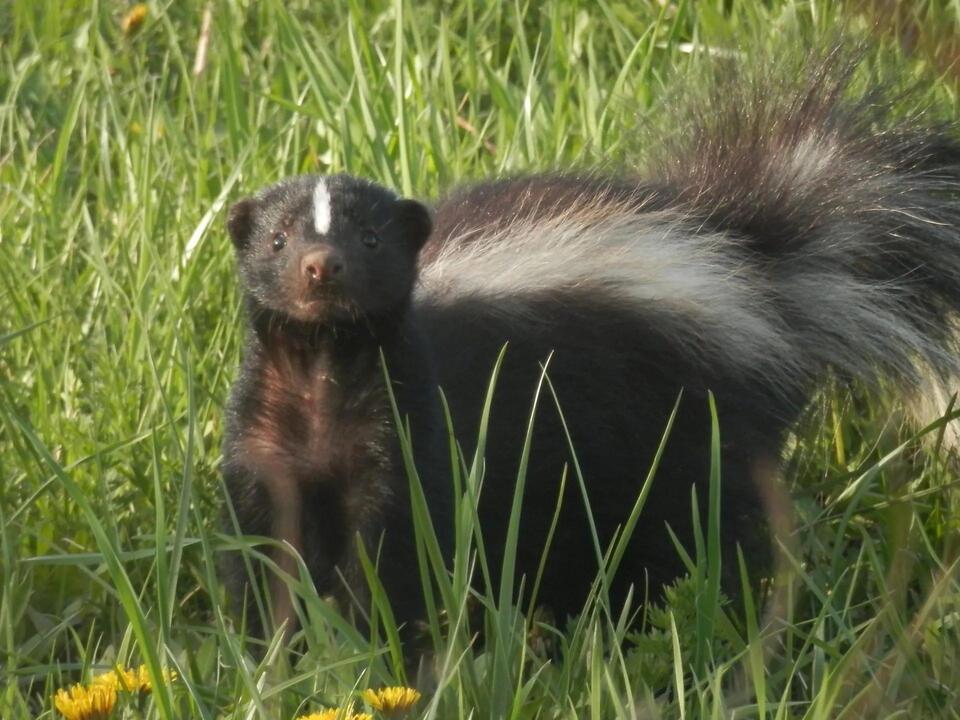
Striped skunks in New Hampshire may be killed only during the regulated trapping season, when a landowner catches one in the act of causing actual and substantial damage, or by a licensed wildlife control operator — no blanket permission exists, NewsBreak reported.
The striped skunk is classified as a furbearer with a set trapping season, according to training material for wildlife control operators cited in the report. That status means RSA 207:26, which applies to unprotected animals, overlaps with furbearer rules: during the open season skunks are a regulated furbearer; outside it, a landowner or occupant may act under the statute only when the animal is “in the act” of damaging poultry, crops, domestic animals or property.
“RSA 207:26 lets a person pursue, wound, or kill an unprotected bird or wild animal on land the person owns or occupies, if the person finds it in the act of doing actual and substantial damage to poultry, crops, domestic animals, or property,” the training material says.
Three words carry the weight: “in the act,” “actual,” and “substantial.”
A skunk sleeping under a porch last week does not qualify; a skunk inside a henhouse killing birds does.
The statute also allows a landowner to authorize a family member, employee or other person to act under a depredation permit from the Fish and Game executive director. Without that permit, the landowner must act personally on owned or occupied land.
No Permit Needed for Landowners Under RSA 207:26
No permit is required for a landowner acting under RSA 207:26 against an unprotected animal doing substantial damage, the training material notes. Trapping during the regular furbearer season falls under different rules and requires the appropriate license; exact opening and closing dates change annually and must be confirmed with the New Hampshire Fish and Game Department.
Skunks Cannot Be Live Trapped and Translocated
Box and cage traps are the standard tool; snares cannot be used to take a skunk. The state’s wildlife control training page is blunt: “skunks cannot be live trapped and translocated.” According to the state’s wildlife control training page, Fish and Game staff are not generally available to relocate or remove trapped animals, and the trapper bears responsibility for transport and release.
Skunks are a rabies vector species in New Hampshire. WildlifeHelp.org lists disorientation, impaired movement, unprovoked aggression, excess salivation and unusually friendly behavior as possible signs and advises avoiding the animal and notifying local police or animal control. If a person or pet is bitten or scratched, contact a doctor or veterinarian immediately.
Local Firearms Ordinances Restrict Shooting Options
State law sets the baseline, but towns and cities can restrict discharging firearms, which affects whether shooting is practical. The statute-based shooting rule is explicitly subject to local firearms ordinances. Check municipal ordinances and call the local police department or animal control officer before firing a gun inside town limits.
Carcasses must be handled carefully because skunks are a rabies vector. The training material says you may need to consult the county health department and follow its disposal guidelines. Wear gloves, avoid contact with saliva or blood, and bag the carcass. For road-killed skunks, call the town or local health officer if unsure what to do.
Eastern Spotted Skunk Protected Under State Law
The eastern spotted skunk is a different animal; RSA 207:26 does not allow harming a state-listed or federally listed species regardless of damage. If you think you are dealing with a spotted skunk — smaller with broken white stripes — do not kill it. Contact NH Fish and Game for classification guidance.
Licensed wildlife control operators can be hired for removal; Fish and Game can refer landowners to operators when Wildlife Services cannot resolve a problem. Ask whether the operator is licensed by Fish and Game, insured, and how they plan to remove the skunk without relocating it.

Columbia beat Hawaii 65-53 in Rainbow Wahine Showdown
Columbia rallied in the fourth quarter to beat Hawaii 65-53 on Saturday in the American Savings Bank Rainbow...
Hailey Bieber Credits Optimistical Delusion For Billion Dollar Rhode Deal
Hailey Bieber attributes her billion-dollar sale of Rhode to a mindset of “optimistical delusion.” The founder spoke to...

Milwaukee Bucks Beat Oklahoma City Thunder 119-111 to Snap Two-Game Losing Streak
Milwaukee beat Oklahoma City 119-111 on Saturday night at Fiserv Forum while the Thunder played without five rotation...

Kyle Whittingham Says Things Need Fixing After Michigan Loss to Ohio State
Michigan fell to 6-6 on Saturday with a 45-0 loss at Ohio Stadium, the most lopsided defeat in...