
New Jersey Governor Mikie Sherrill signed Senate Bill 1420 into law on Friday immediately exempting reverse mortgage transactions from specific payment requirements that apply to secondary mortgage loans in the state.
The legislation amends N.J. Stat. § 17:11C-78(b) to carve out reverse mortgages, as defined under 15 U.S.C. § 1602, from a rule that generally required secondary mortgage loans to be repaid in installments that are “substantially the same length of time and substantially equal in payment amount.”
According to the analysis published by The National Law Review, the amendment removes a potential obstacle for second-lien reverse mortgage products whose repayment structures do not fit that periodic-installment model.
The exemption is narrow. It applies only to the payment requirements in § 17:11C-78(b) and does not eliminate other obligations for instruments evidencing secondary mortgage loans under the same statute, including form, labeling, notice and completion requirements.
Second-lien reverse mortgages have grown more common in recent years, allowing borrowers who already hold a first-lien loan to access additional home equity without refinancing. While the federal Garn-St. Germain Act bars a forward-mortgage first-lien lender from calling a loan due when a borrower takes out a second lien, those protections do not extend to reverse mortgages.
Lenders originating second-lien reverse mortgages in New Jersey are advised to review their loan documents and compliance procedures in light of the new exemption. They should also evaluate the terms of any existing first-lien reverse mortgage before originating a second-lien transaction, whether or not they are the first-lien lender, to ensure the new loan does not cause the first lien to become due and payable.
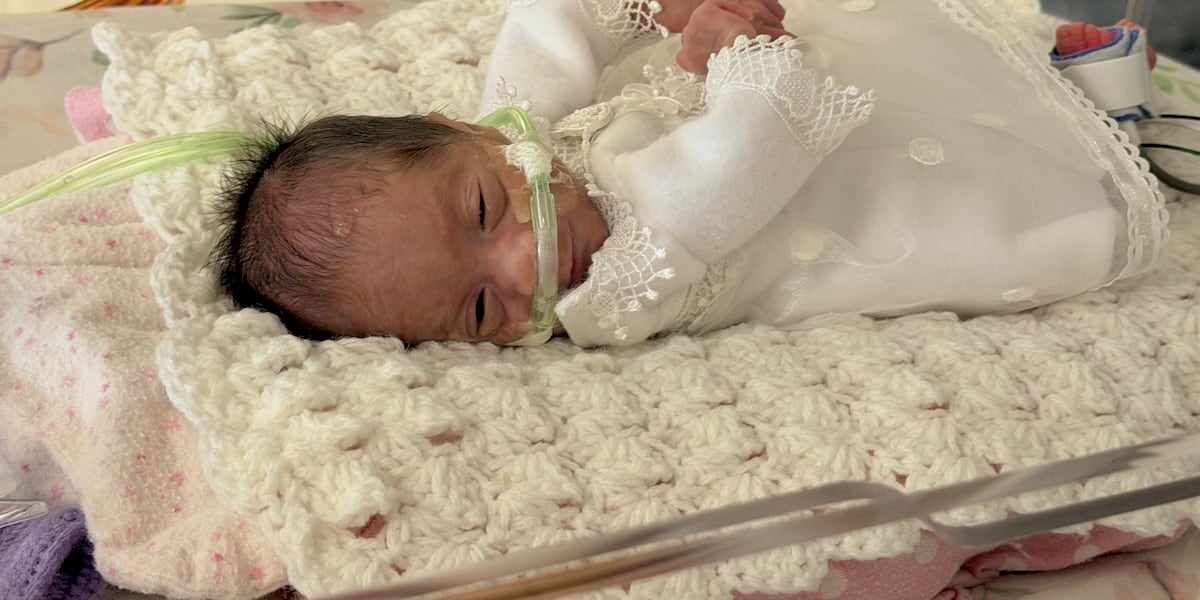
Nurse Witnesses Preemie’s Baptism in NICU at Bismarck Hospital
A baby born at 25 weeks was baptized in the neonatal intensive care unit at CHI St. Alexius...

Two Fuel Tankers Collide Head-On in Edgefield County, Killing One Driver and Injuring Another
Two fuel tankers collided head-on Wednesday before 6 a.m. on Sweetwater Road near the Murrah Road Extension in...
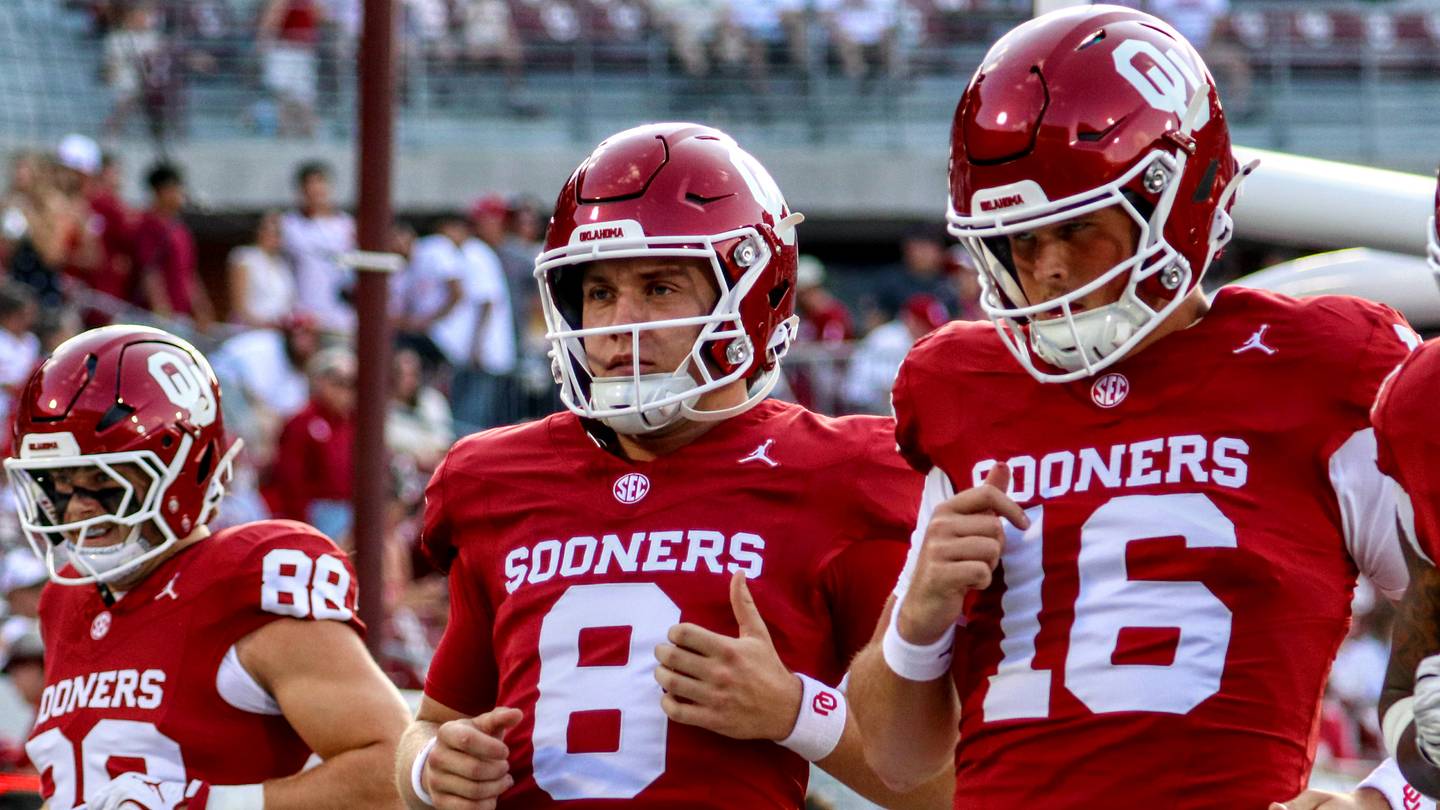
Venables Backs Backups for QB Job but Portal Path Seen as Likely
Oklahoma faces a quarterback transition after John Mateer exhausts his eligibility this season, and the Sooners' internal options...
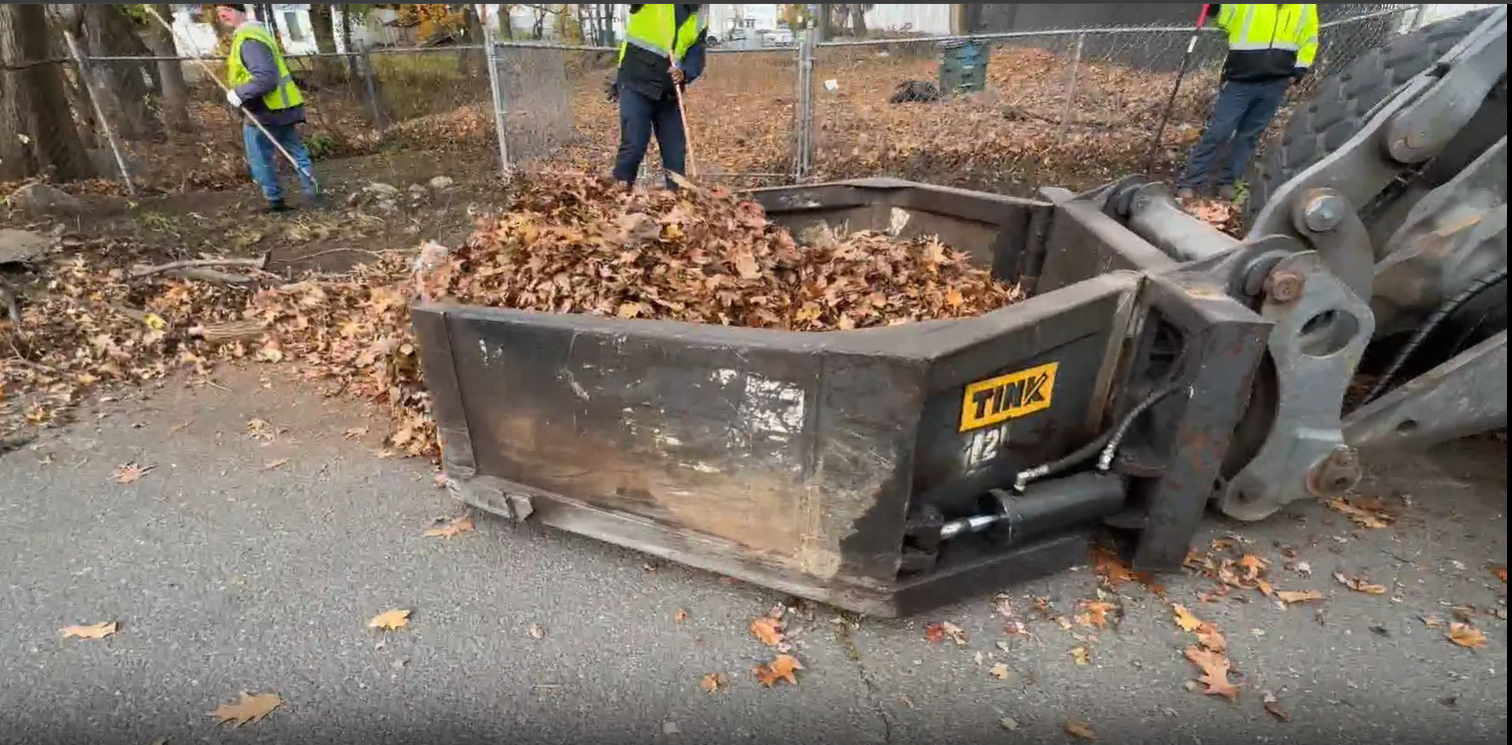
Connecticut Crews Clear Drains Ahead of Thanksgiving Storm
Crews across Connecticut cleared storm drains and tree limbs Tuesday ahead of a Thanksgiving storm forecast to bring...