
Photographing New Orleans‘ historic above-ground tombs requires strict adherence to property rules, active preservation efforts, and basic human respect.
Because the city rests near or below sea level with a high water table, burials historically took place above ground in ornate family vaults, society tombs, and wall crypts, making these “Cities of the Dead” iconic architectural treasures.
Access rules depend entirely on who owns and operates the cemetery. St. Louis Cemetery No. 1, established in 1789 as the city’s oldest extant cemetery and the resting place of Voodoo priestess Marie Laveau, is privately owned by the Roman Catholic Archdiocese of New Orleans. Since March 2015, general public access has been restricted to prevent vandalism and tomb deterioration, meaning visitors may only enter accompanied by an authorized, licensed tour guide.
Professional, commercial, or wedding portrait photography at St. Louis No. 1 requires formal advance written permission and a permit from the Archdiocese Office of Catholic Cemeteries, with St. Louis No. 2 and No. 3 operating under similar Catholic guidelines.
Across town in the historic Garden District, Lafayette Cemetery No. 1 is owned and operated municipally by the City of New Orleans Department of Property Management, having experienced extended closures for essential infrastructure repairs, historic brick wall stabilization, and underground drainage improvements.
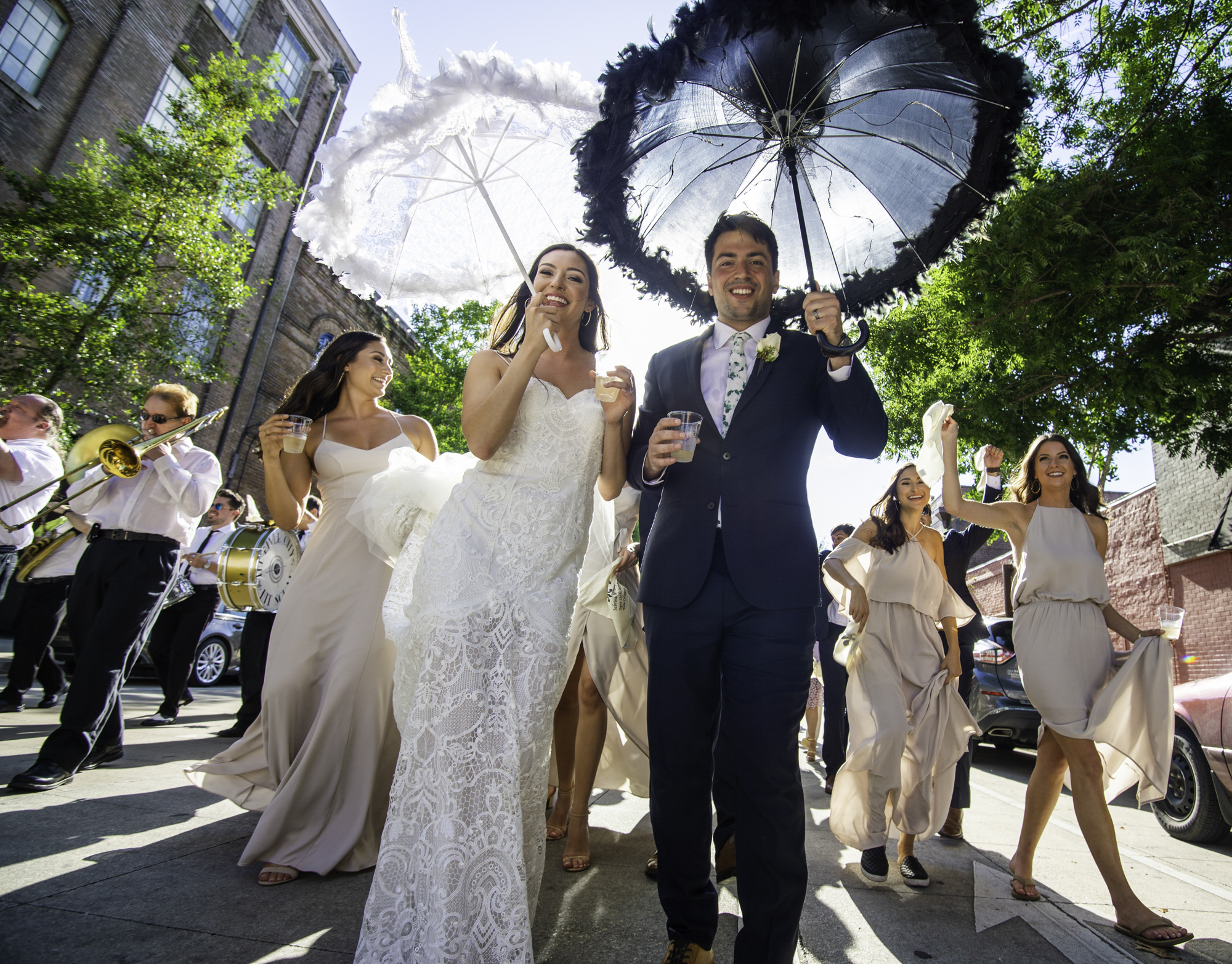
Metairie Cemetery, located off Metairie Road near the parish line, is privately owned by Lake Lawn Metairie and remains an active cemetery featuring Victorian, neoclassical, and Romanesque funerary architecture. Casual visitors are permitted during gate hours, but commercial or staged portrait photography requires prior approval through cemetery management.
Regardless of the location, etiquette rules prohibit leaning, climbing, sitting on, or placing heavy camera equipment on crumbling plaster or exposed historic brickwork. Visitors must keep voices quiet, stay on designated paved aisles, and immediately yield right-of-way whenever a family or funeral service is present.
Worth a look

NH Judge Todd Prevett Faces Ethics Charges Over Guardianship Case
A series of ethics violations have been filed against a New Hampshire circuit court judge regarding his management...

Fernando Mendoza Prepares for First Start Against Seattle Defense
Week 10 brings a new era to the Las Vegas Raiders as rookie quarterback Fernando Mendoza prepares for...

Helena Crevar to Face Kendall Reusing for Women’s Openweight Title
Teenage grappling prodigy Helena Crevar will meet eight-time BJJ world champion Kendall Reusing for the inaugural ONE Women's...

Justin Jefferson Says It Is a Joy to See Kirk Cousins Take Over as Leader
Kirk Cousins is back in Minnesota, and wide receiver Justin Jefferson is approaching his return with a focus...